
Toddler Age group: 0-2 Years
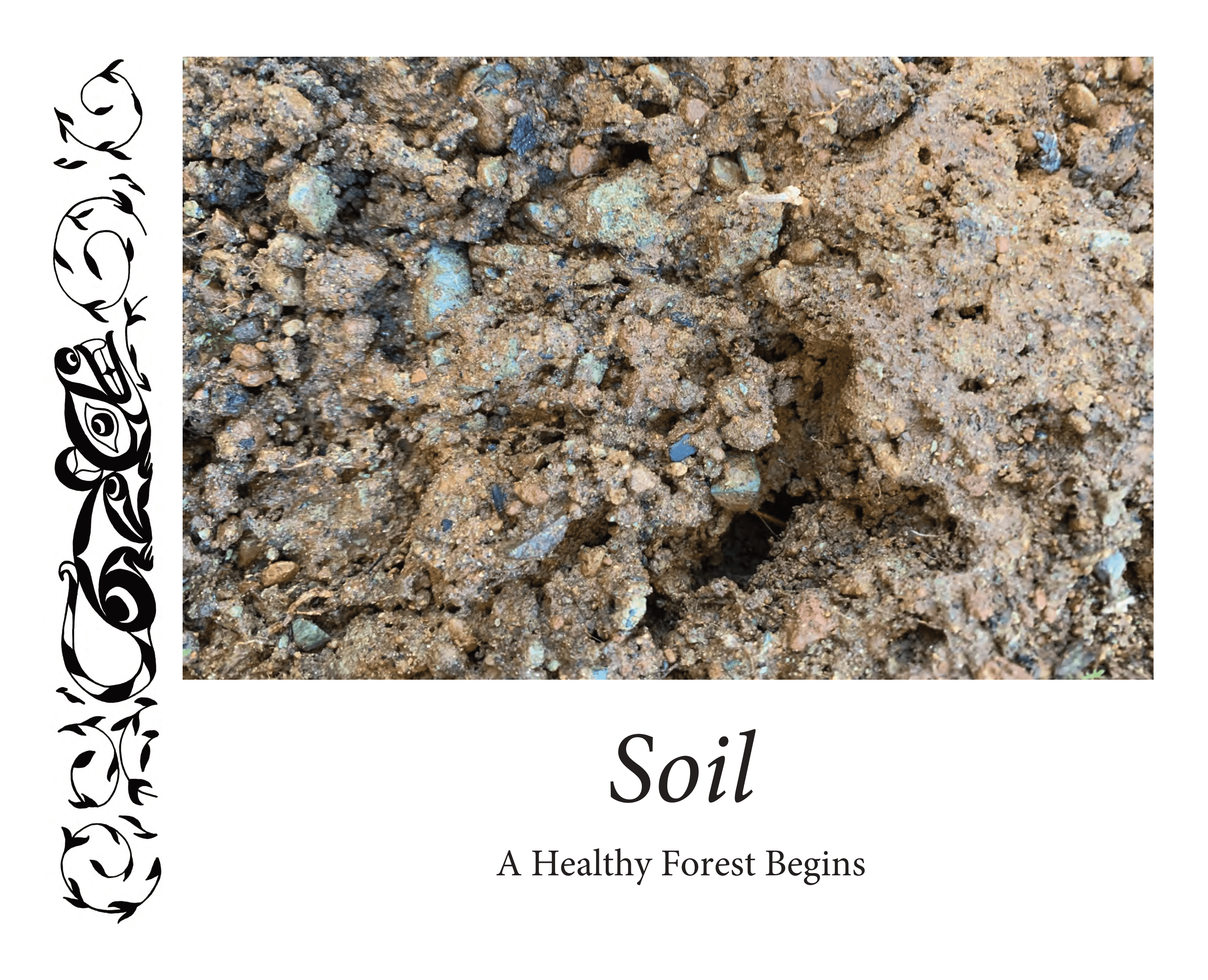

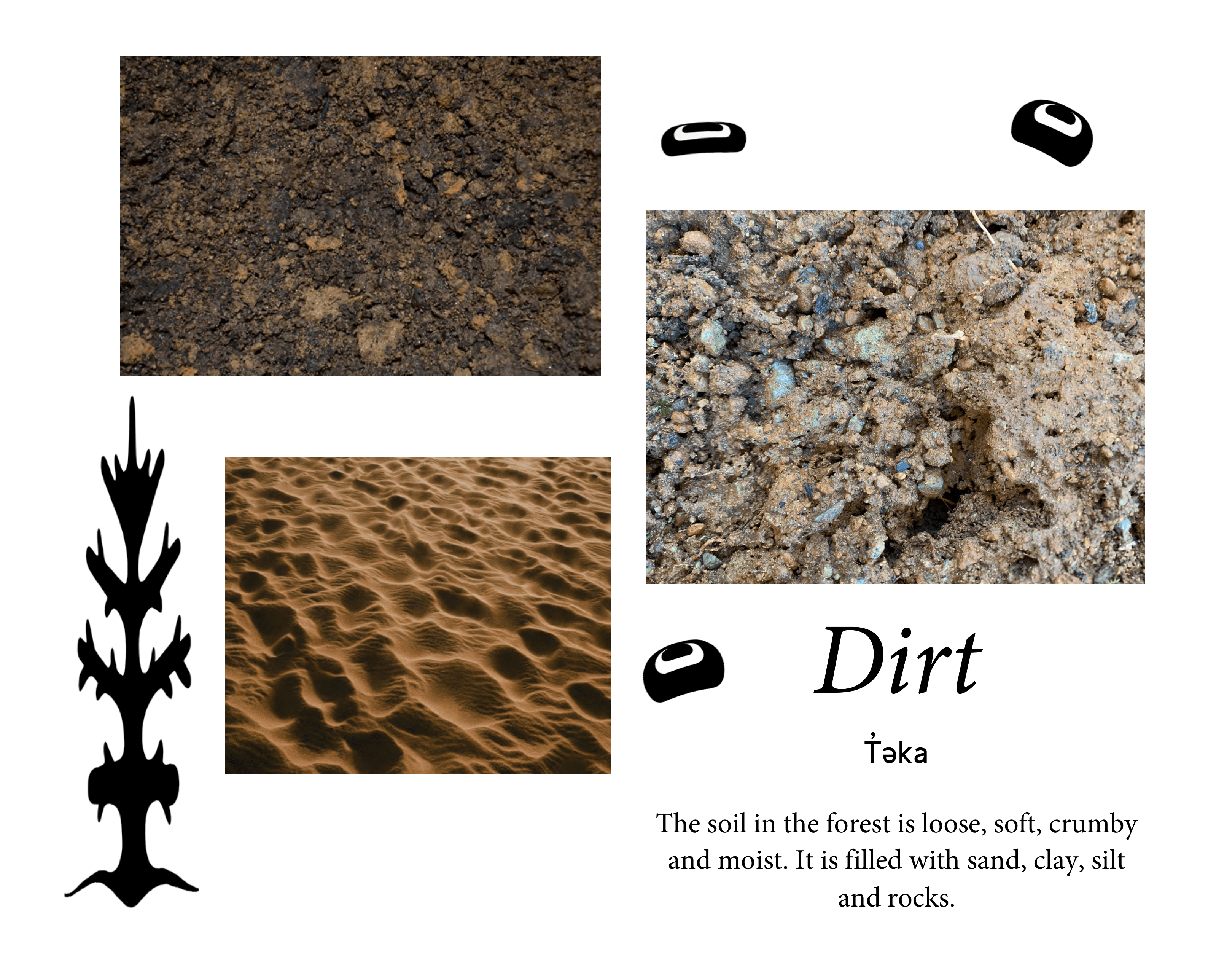
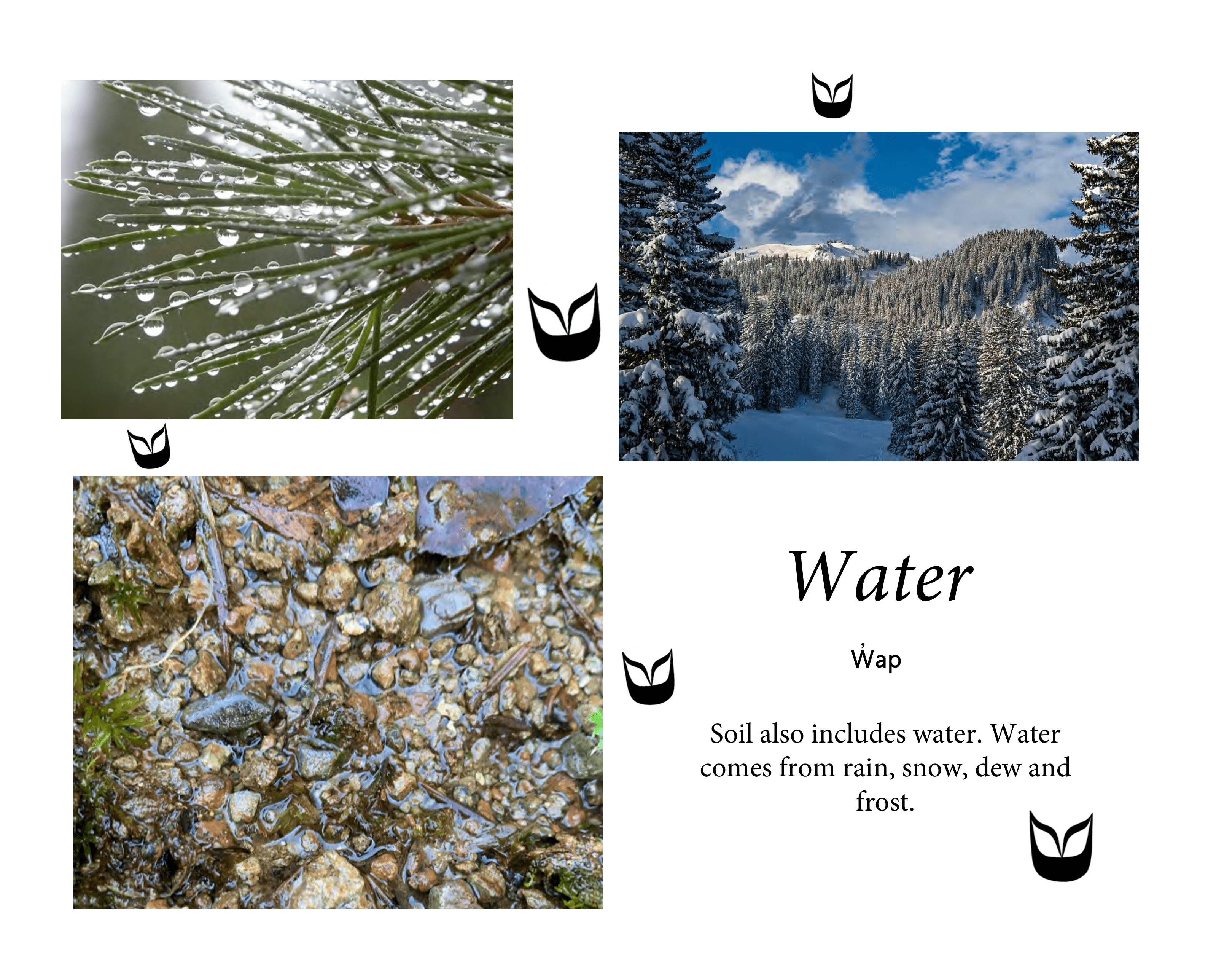
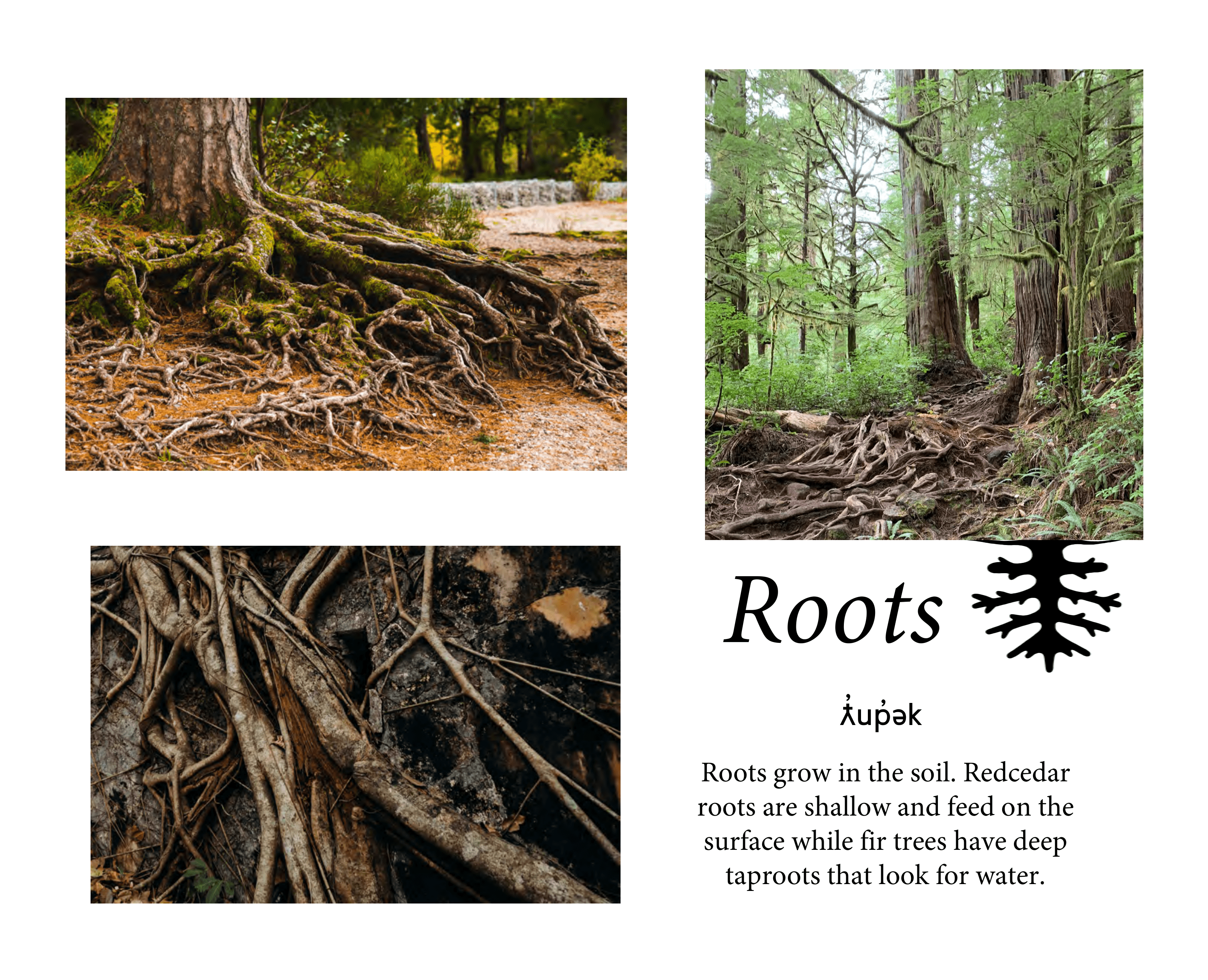
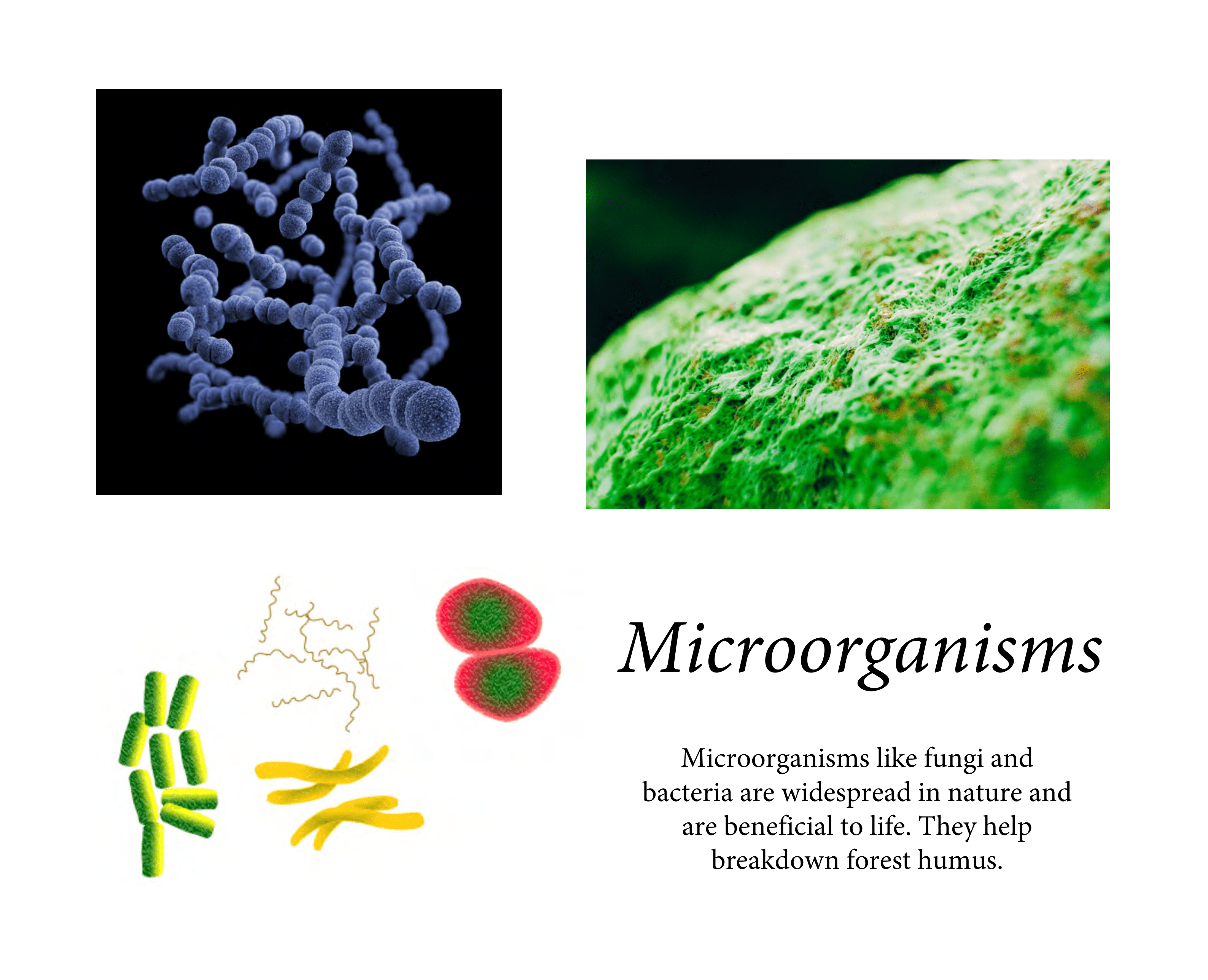
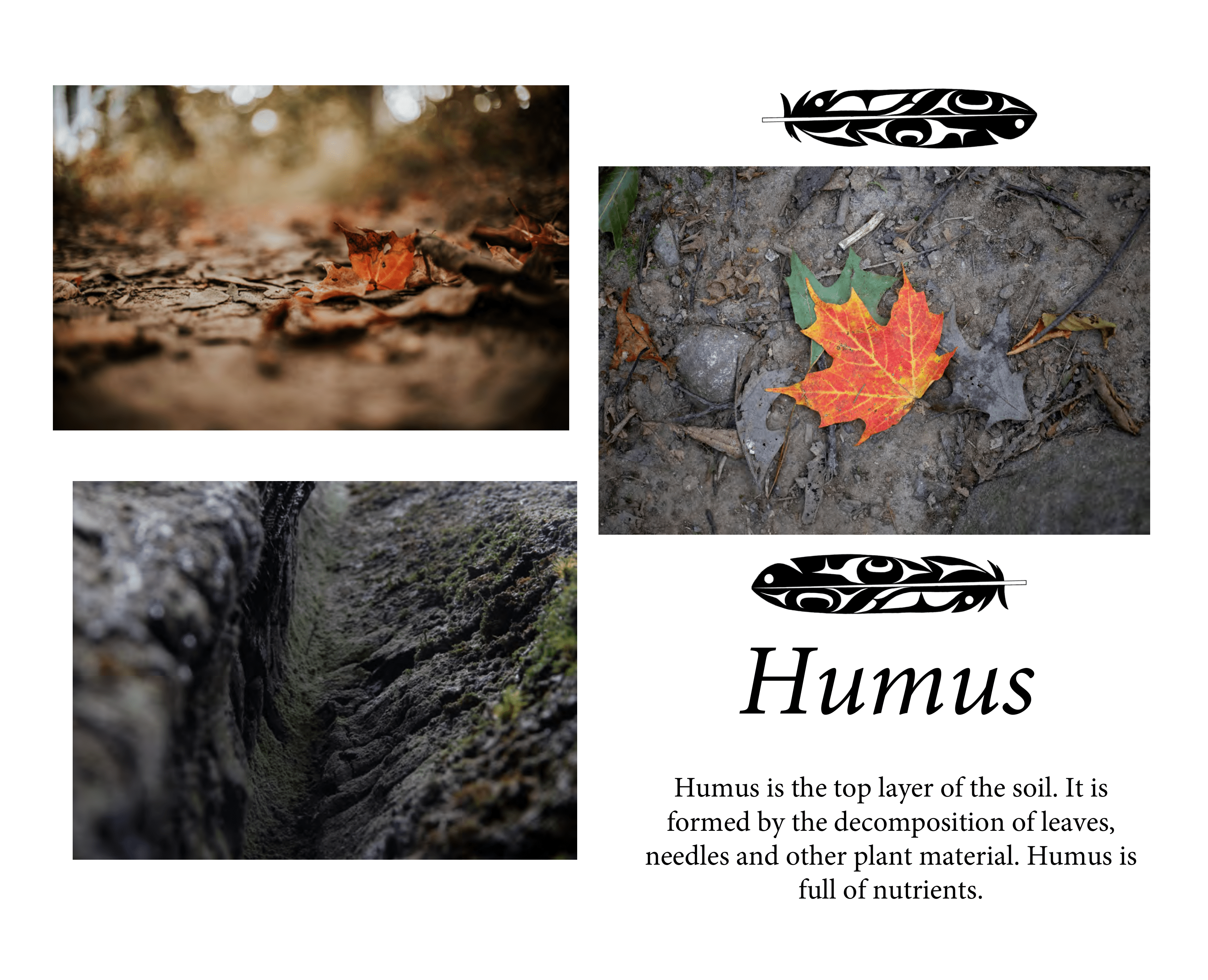
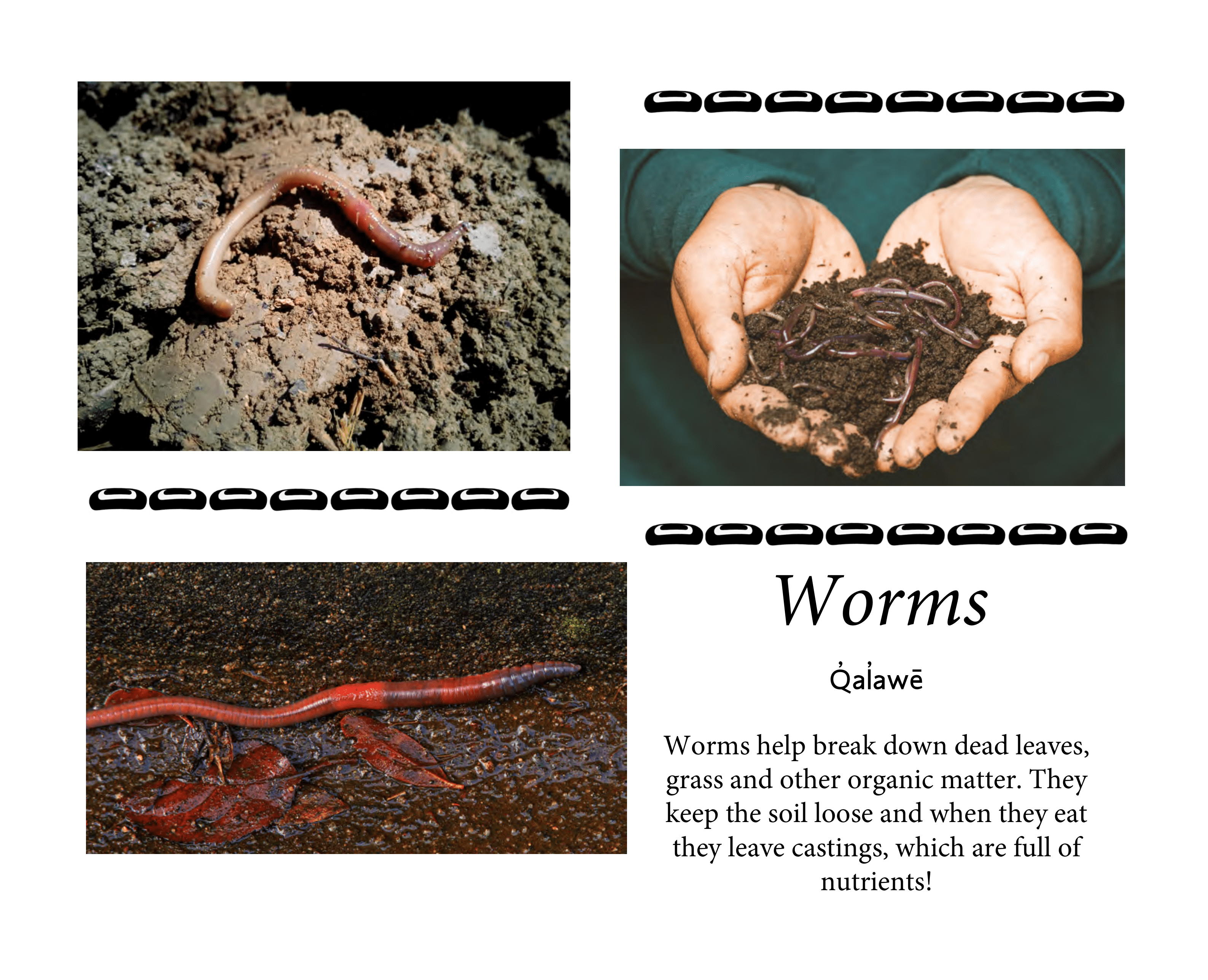
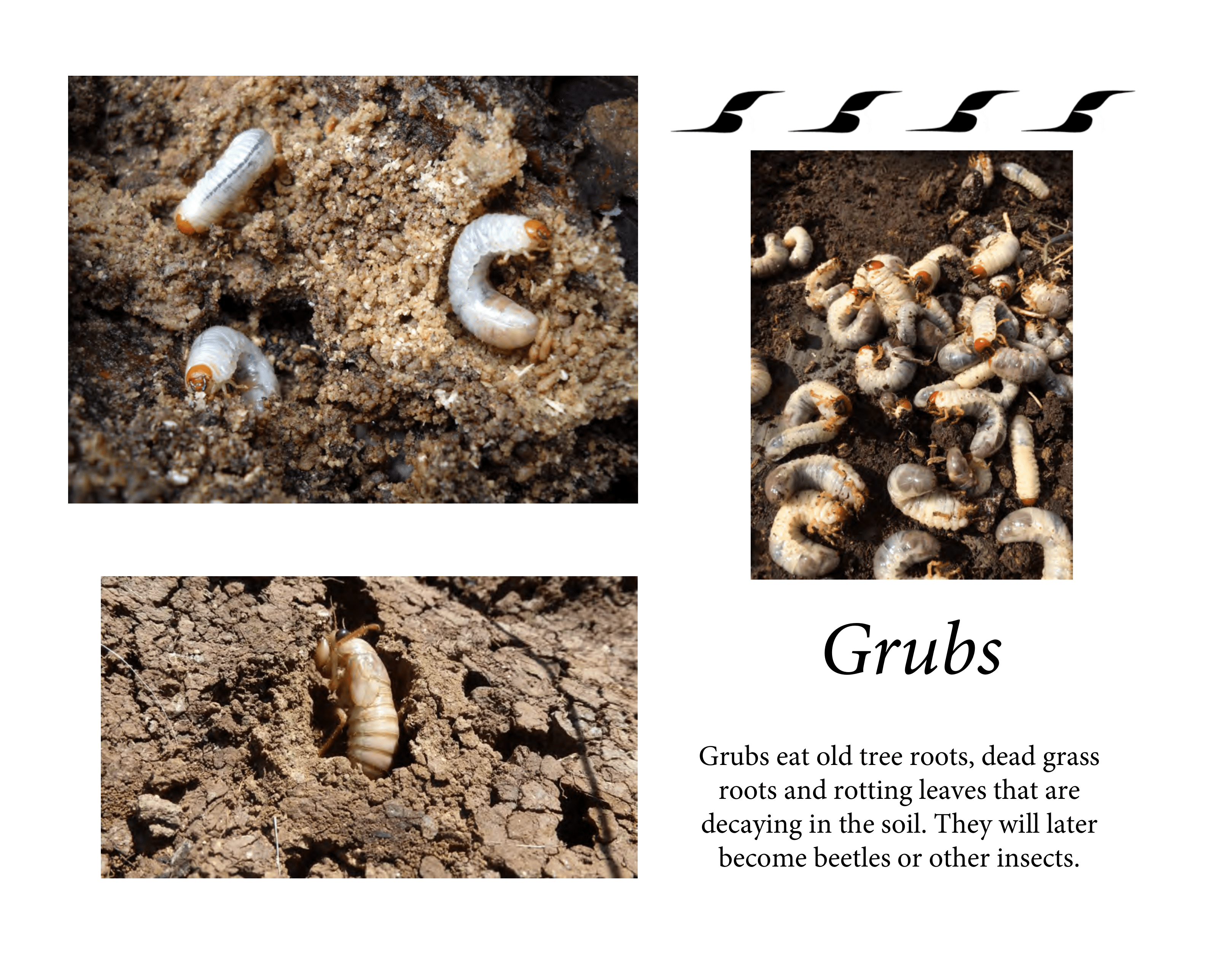
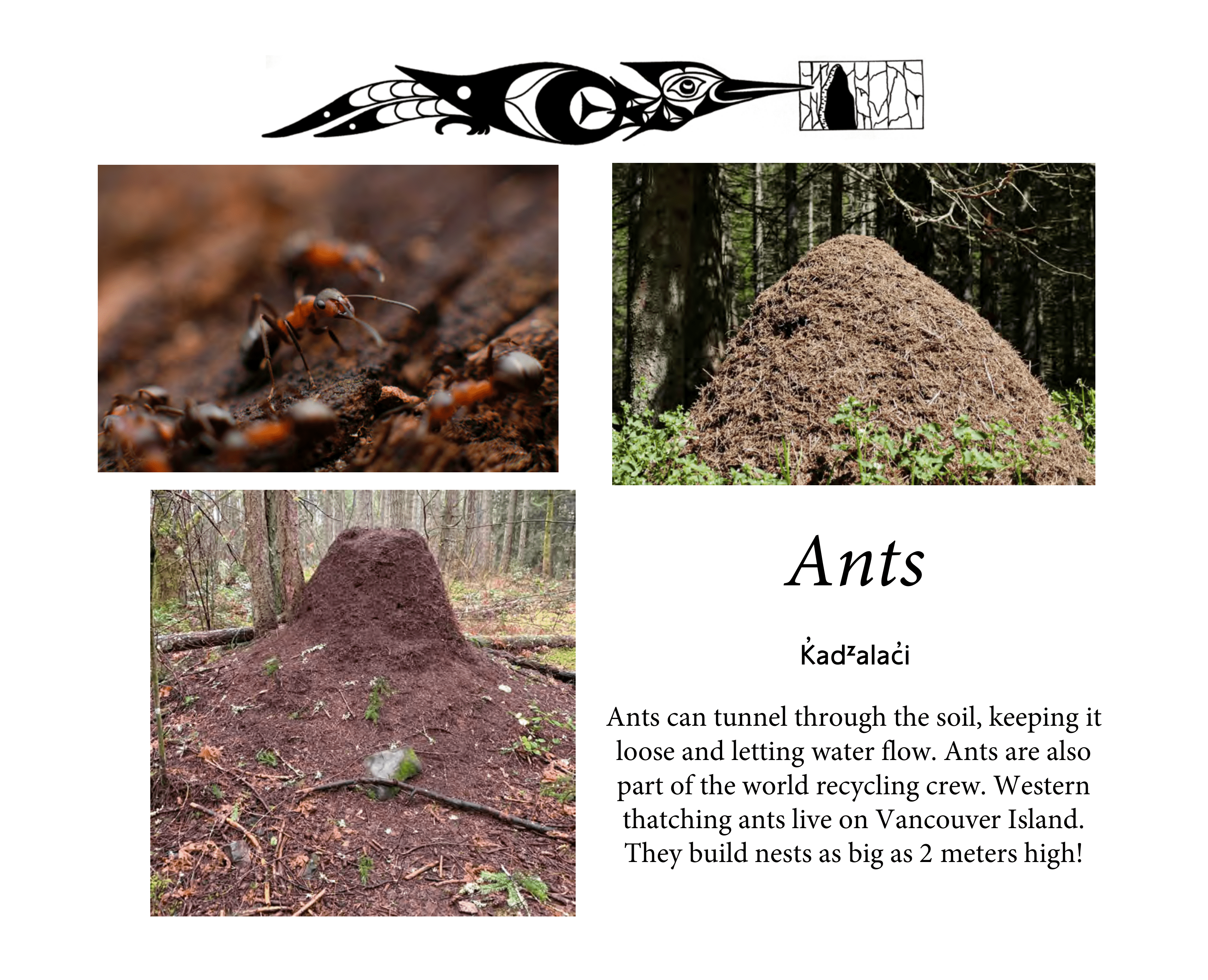
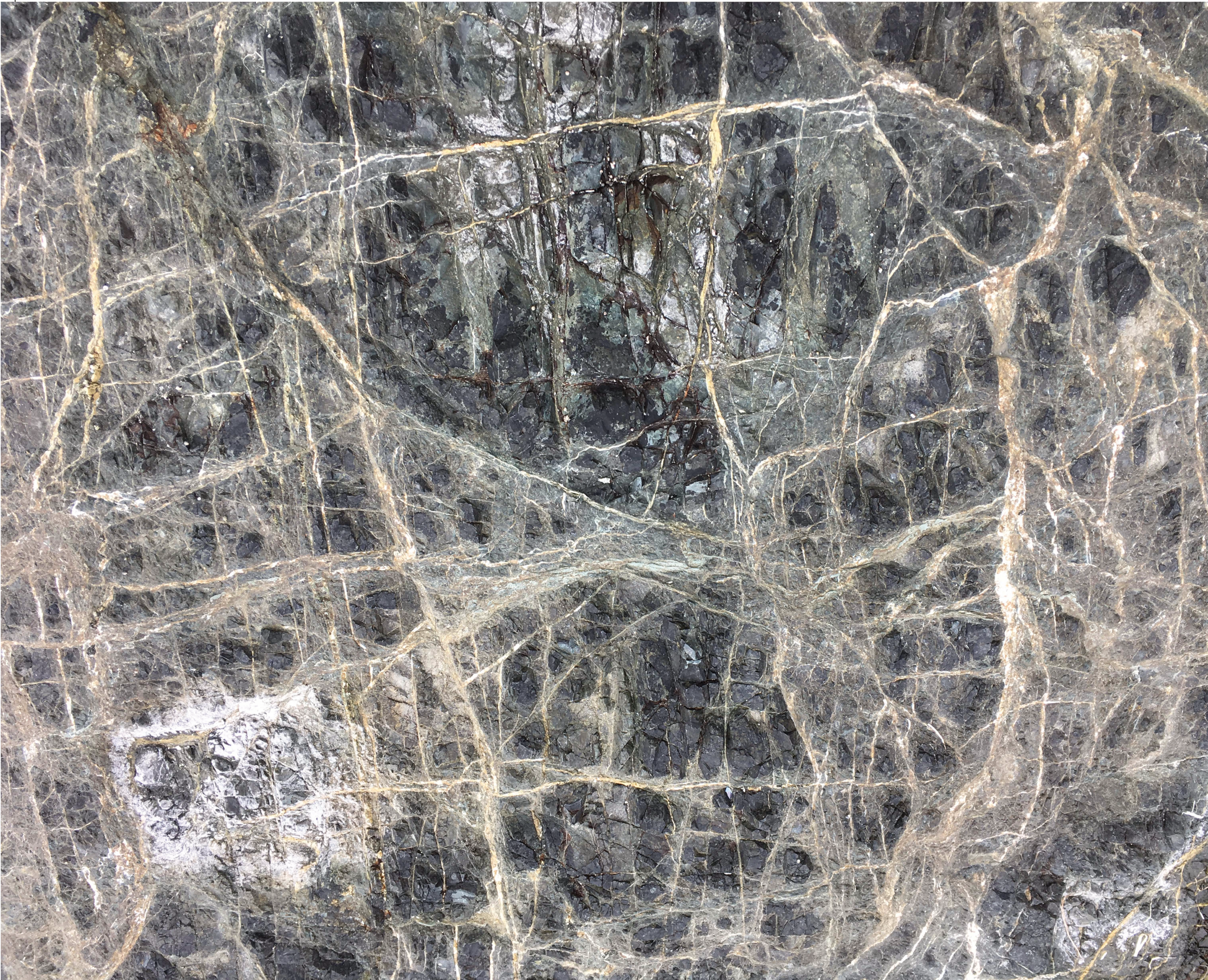
Level 1 - Soil
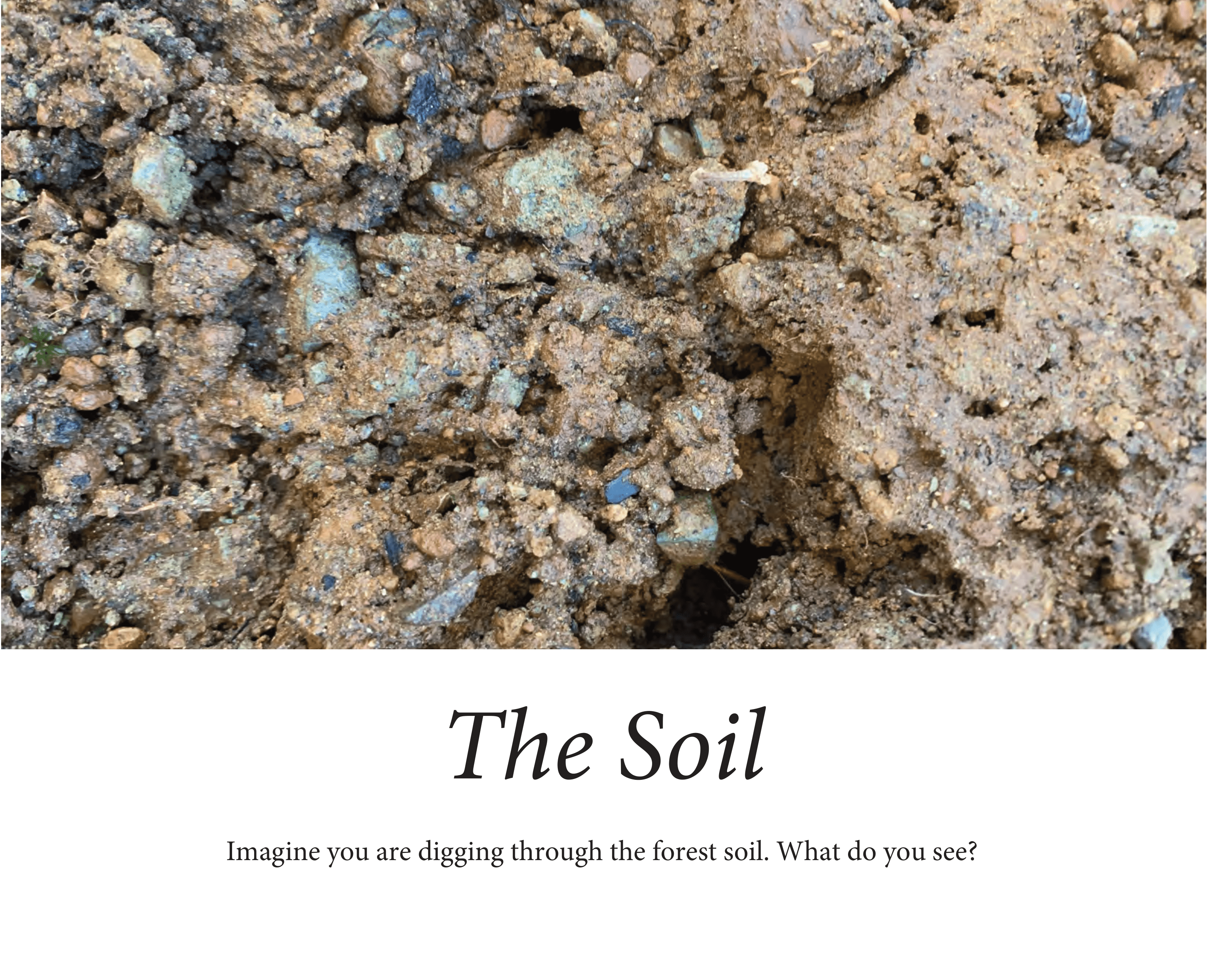
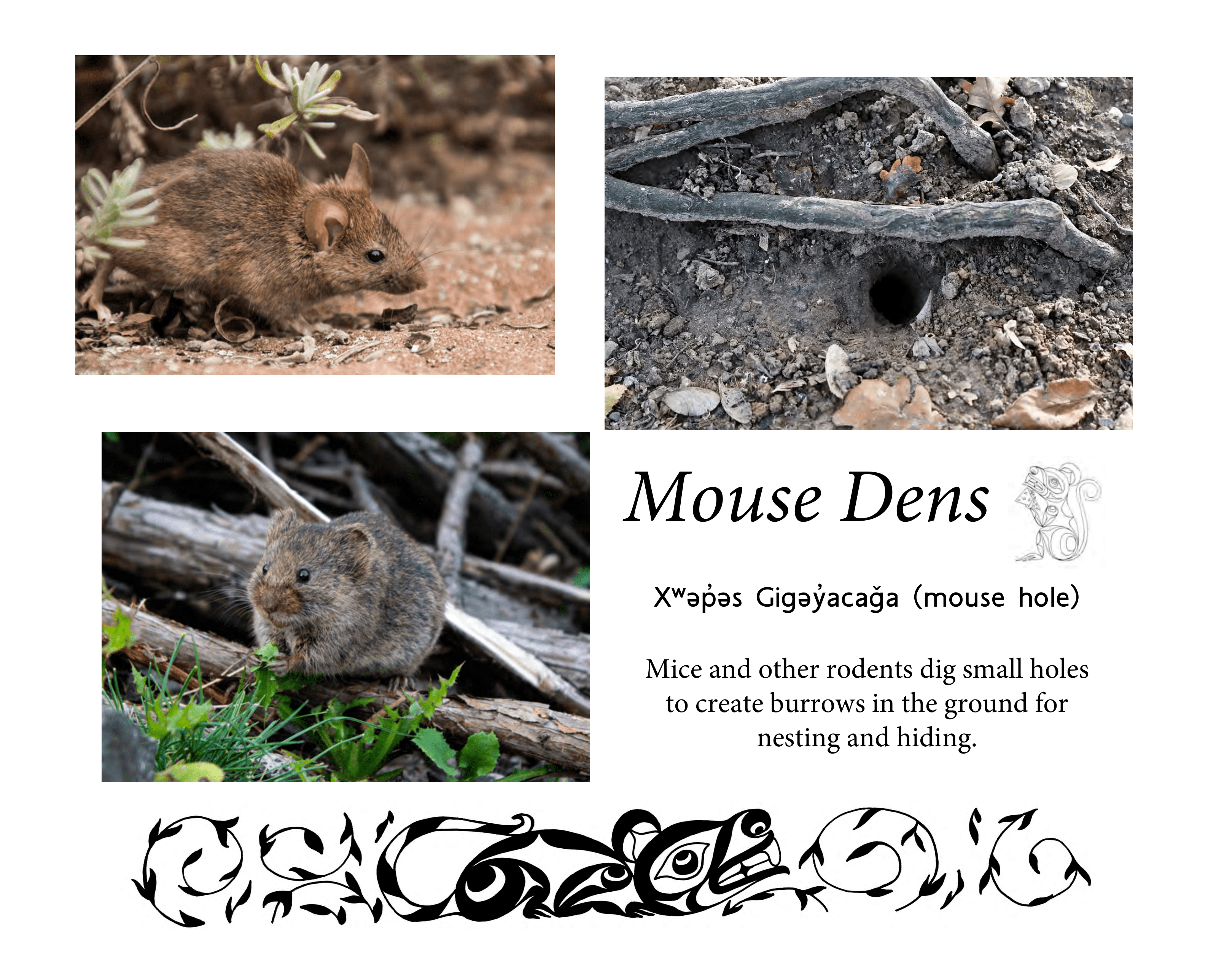
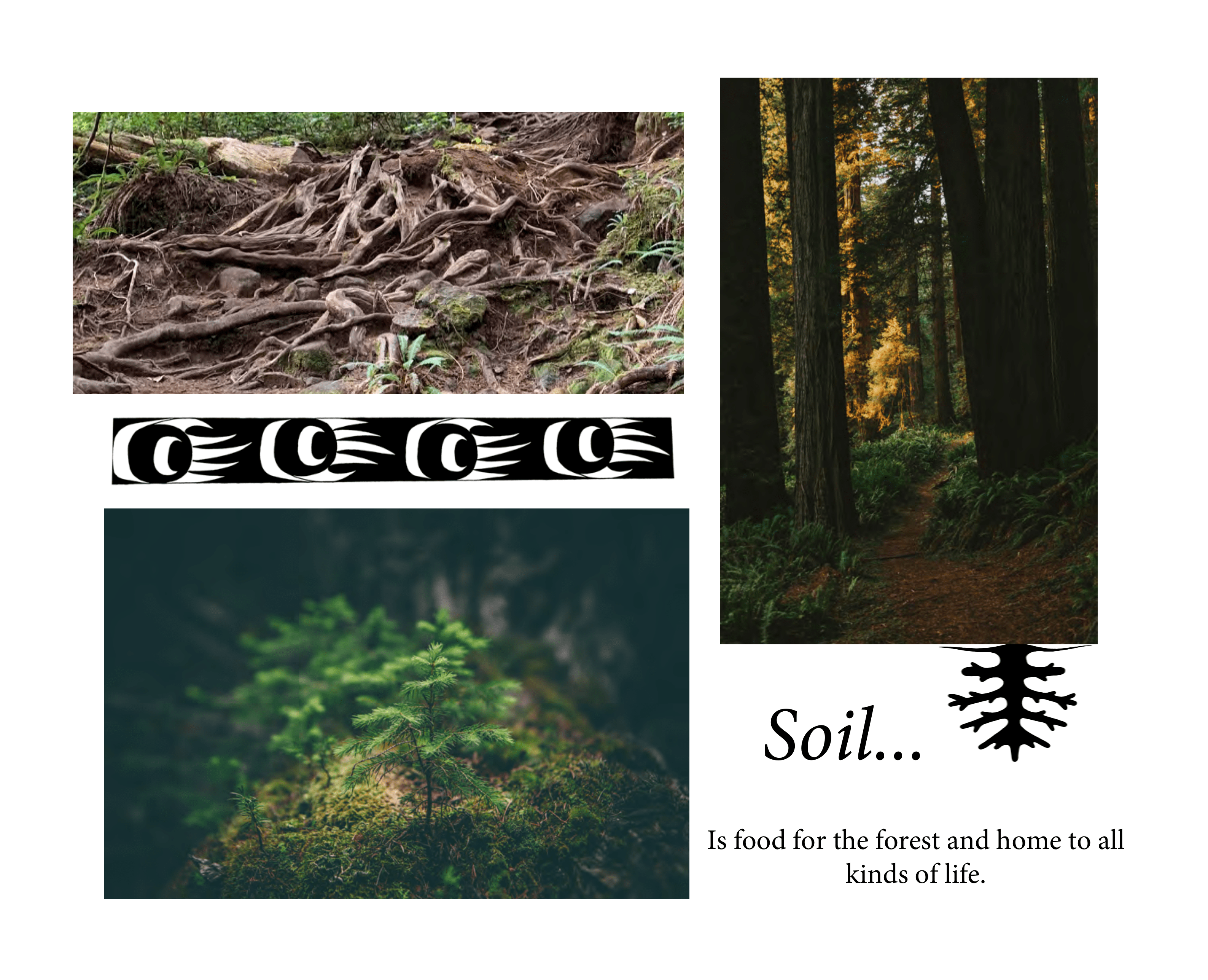
In this level, the intention is for the children to be aware of the soil and how it supports the growth of the forest. Without good, healthy soil, the rest of the forest cannot be healthy. The children should play in the soil, feeling its smoothness, grittiness, moistness, etc.
This level is supported by Book 1 – Soil: A Healthy Forest BeginsLevel 1 Curriculum 0-2

Level 2 – The Forest Floor
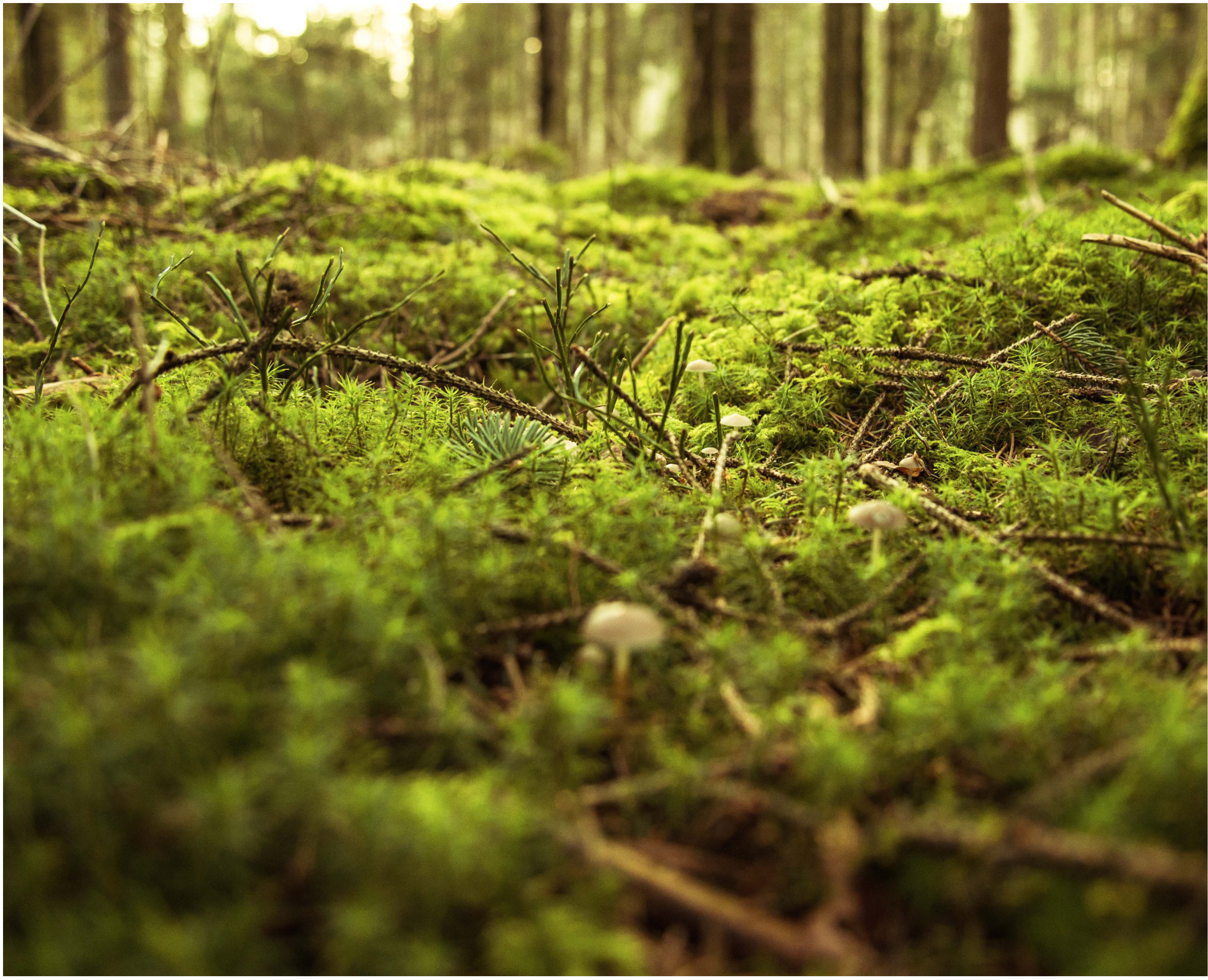
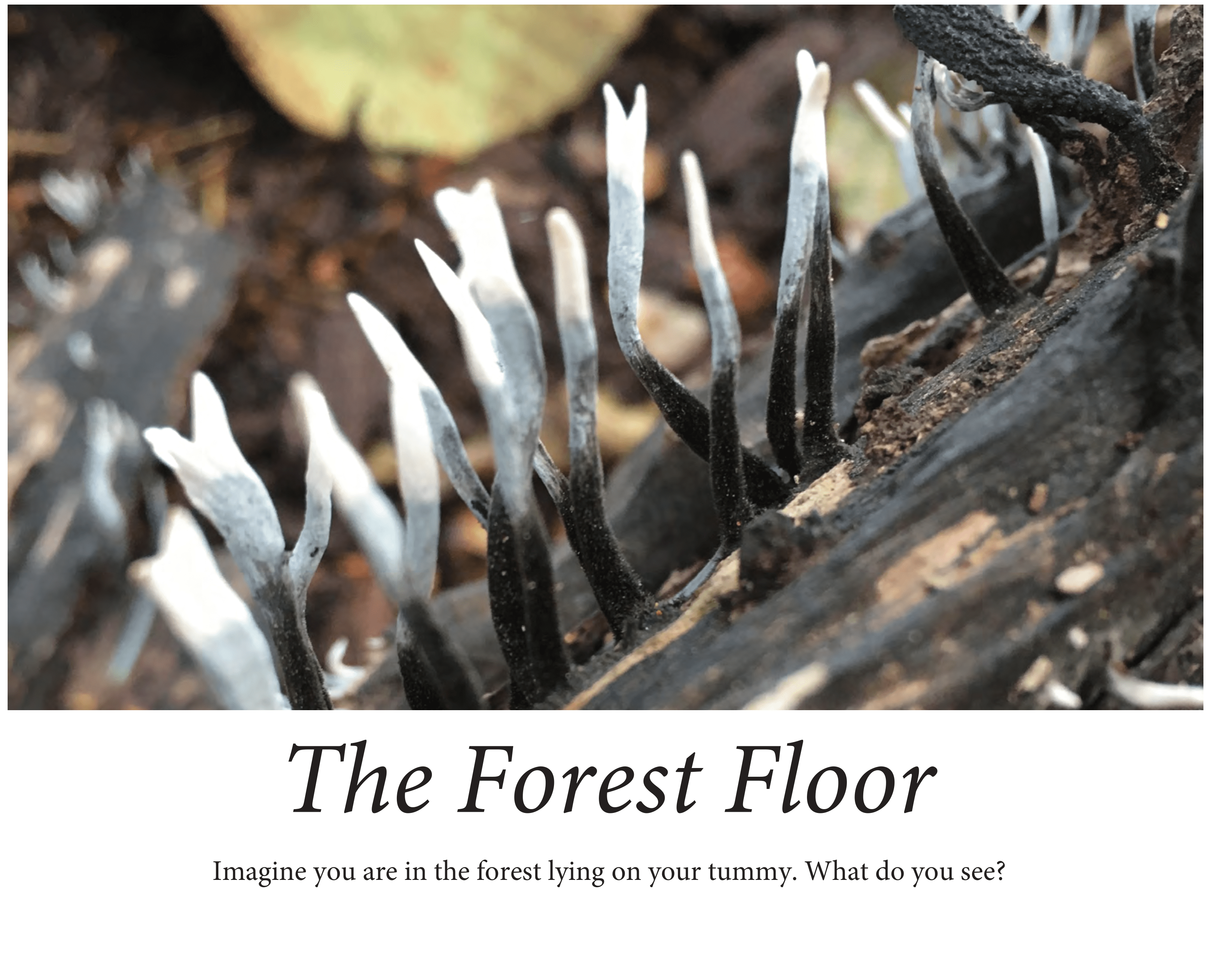
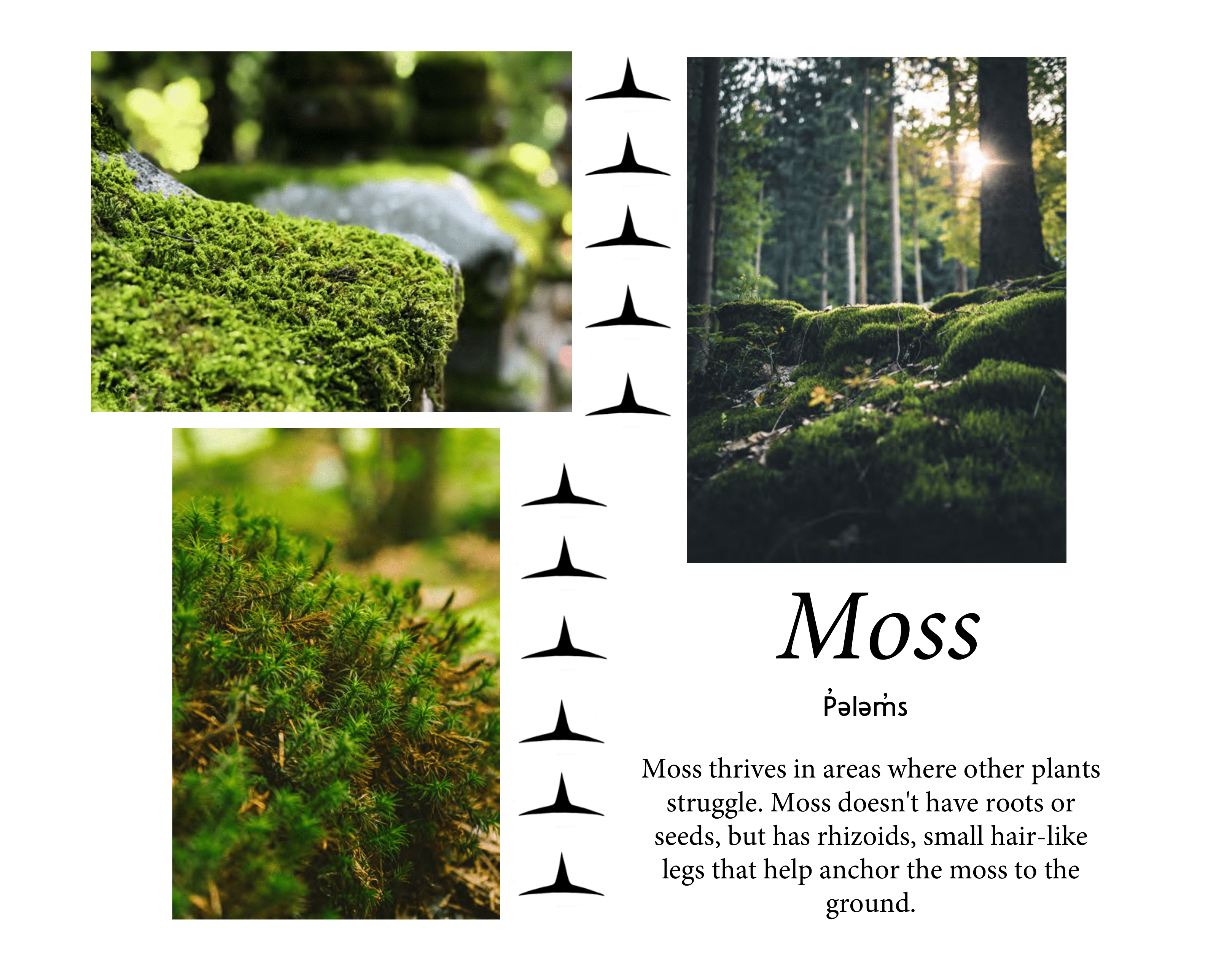
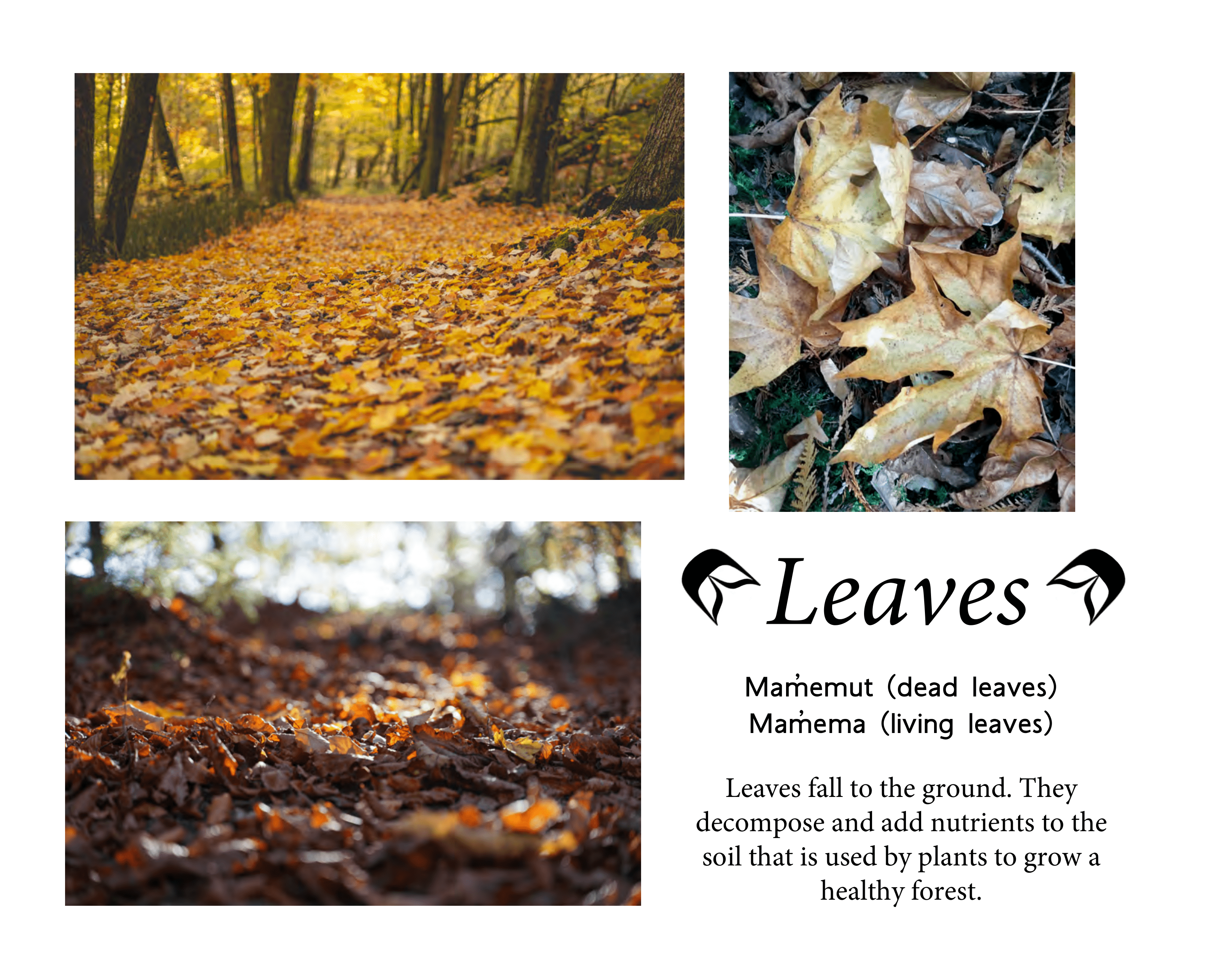
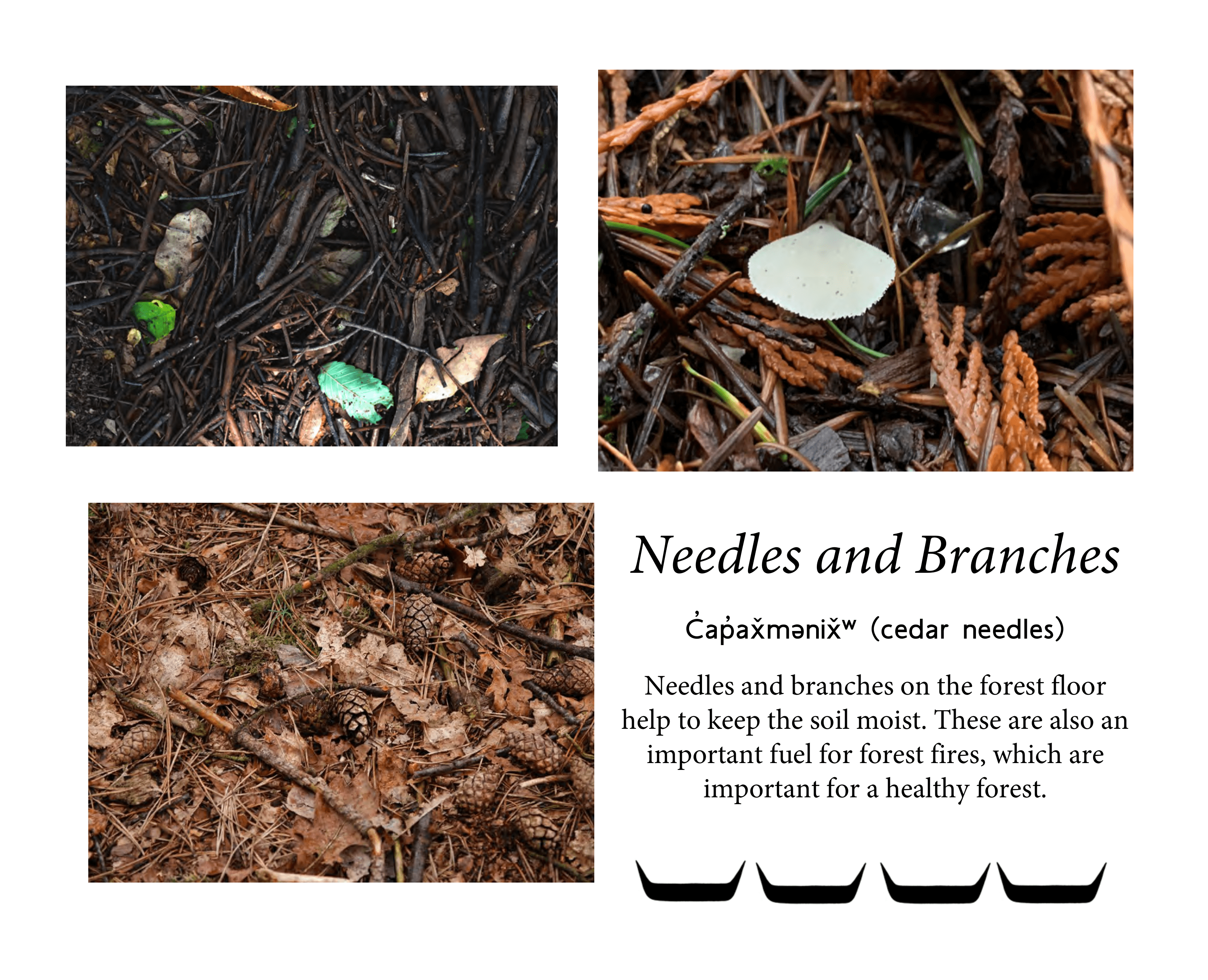
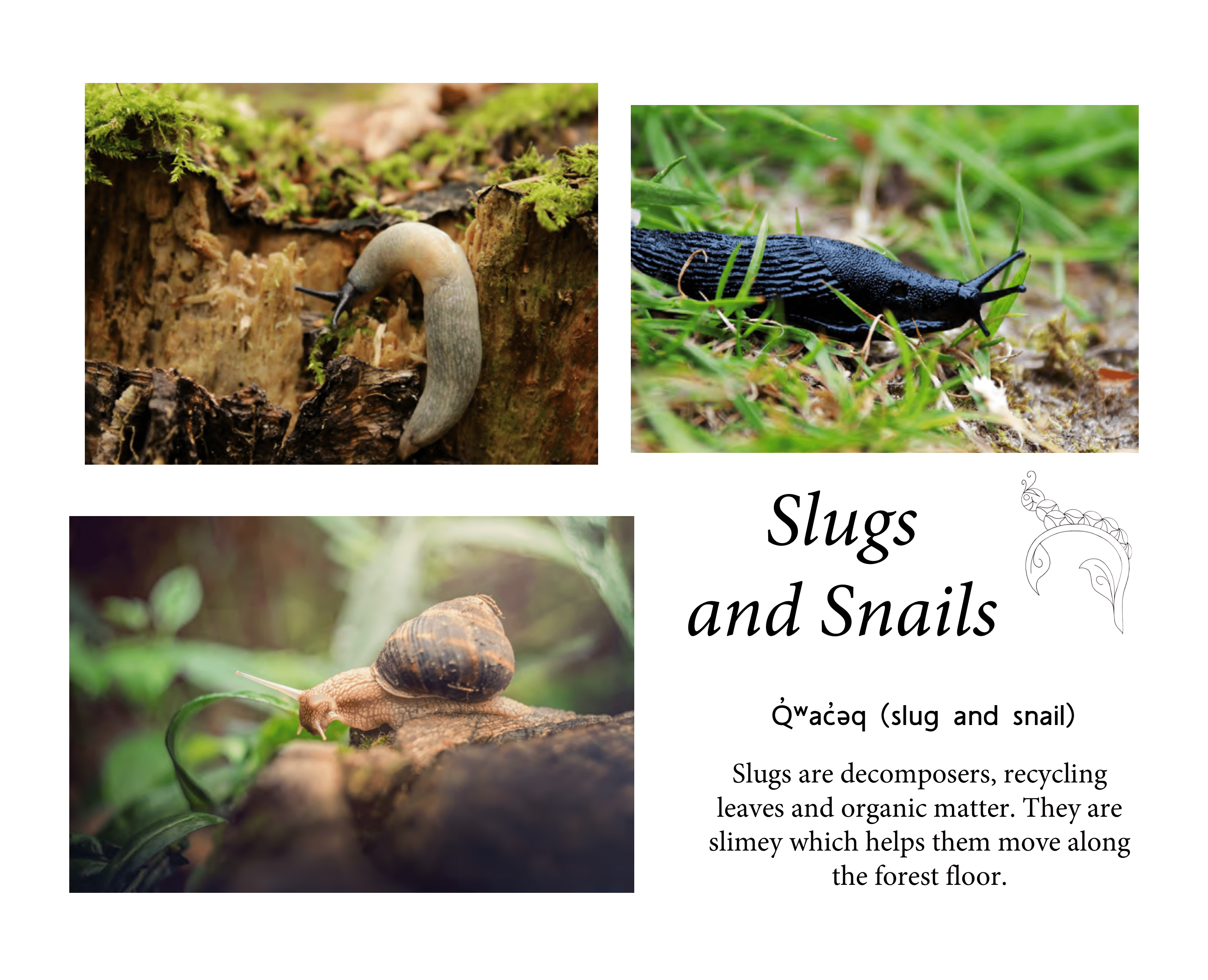
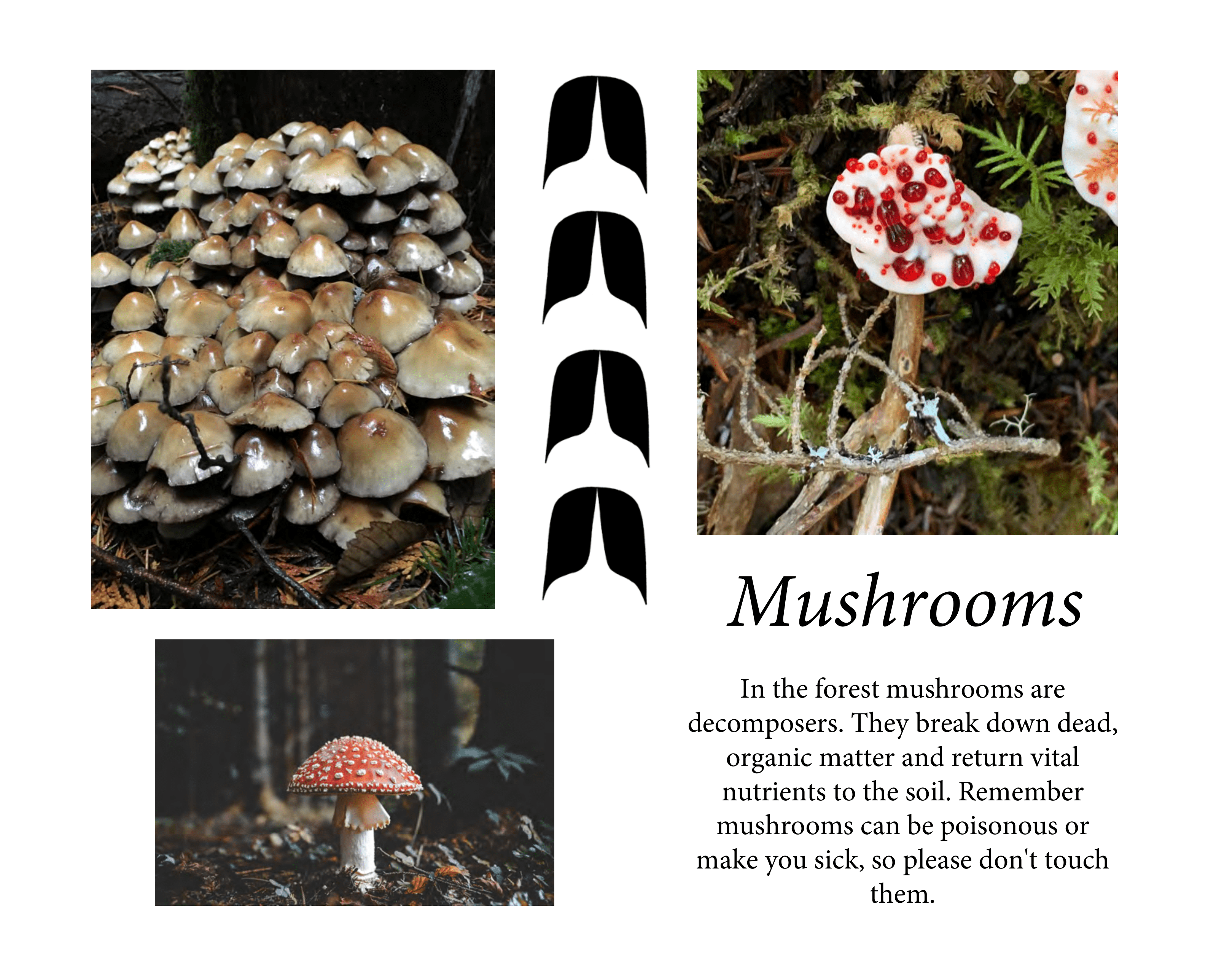
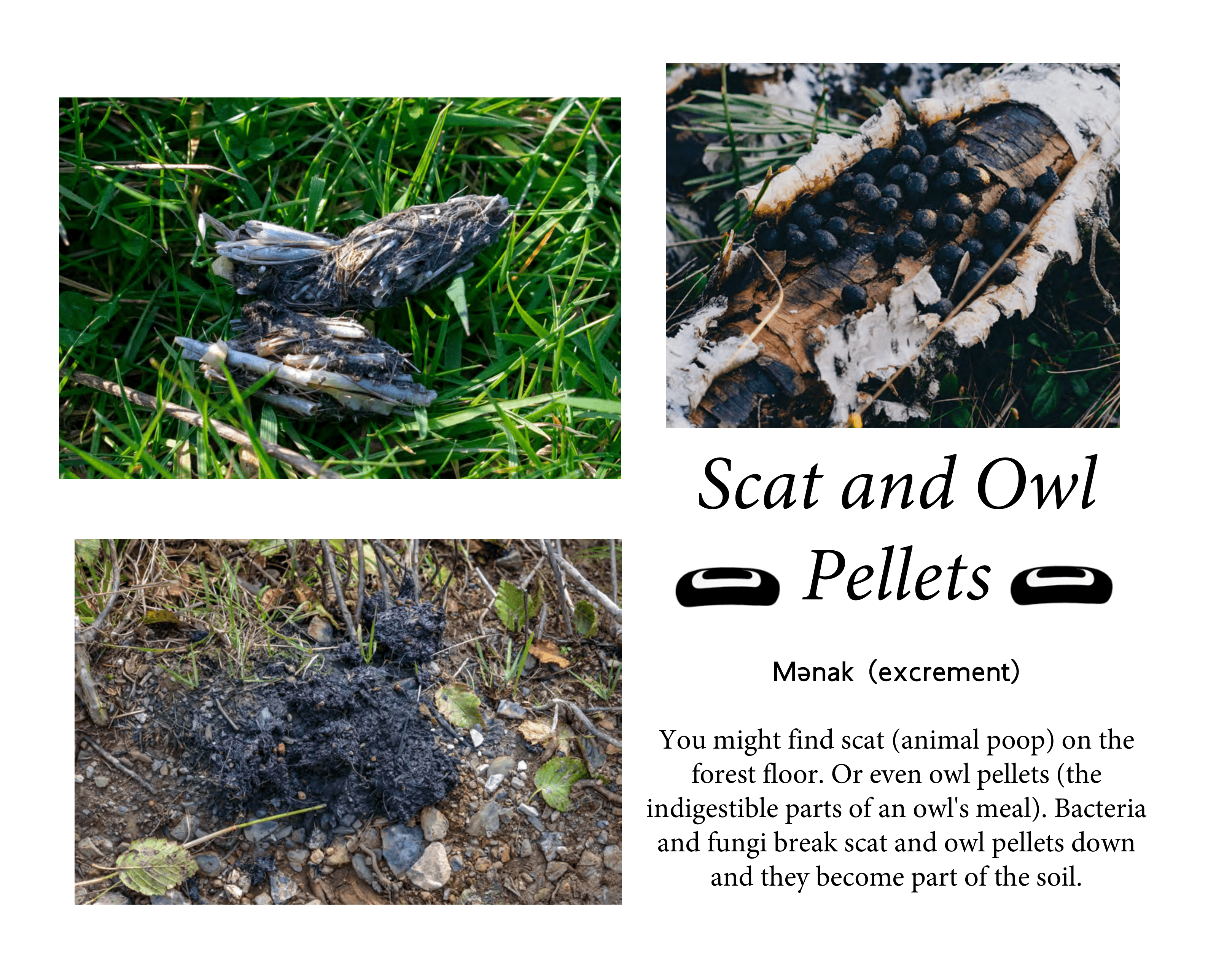
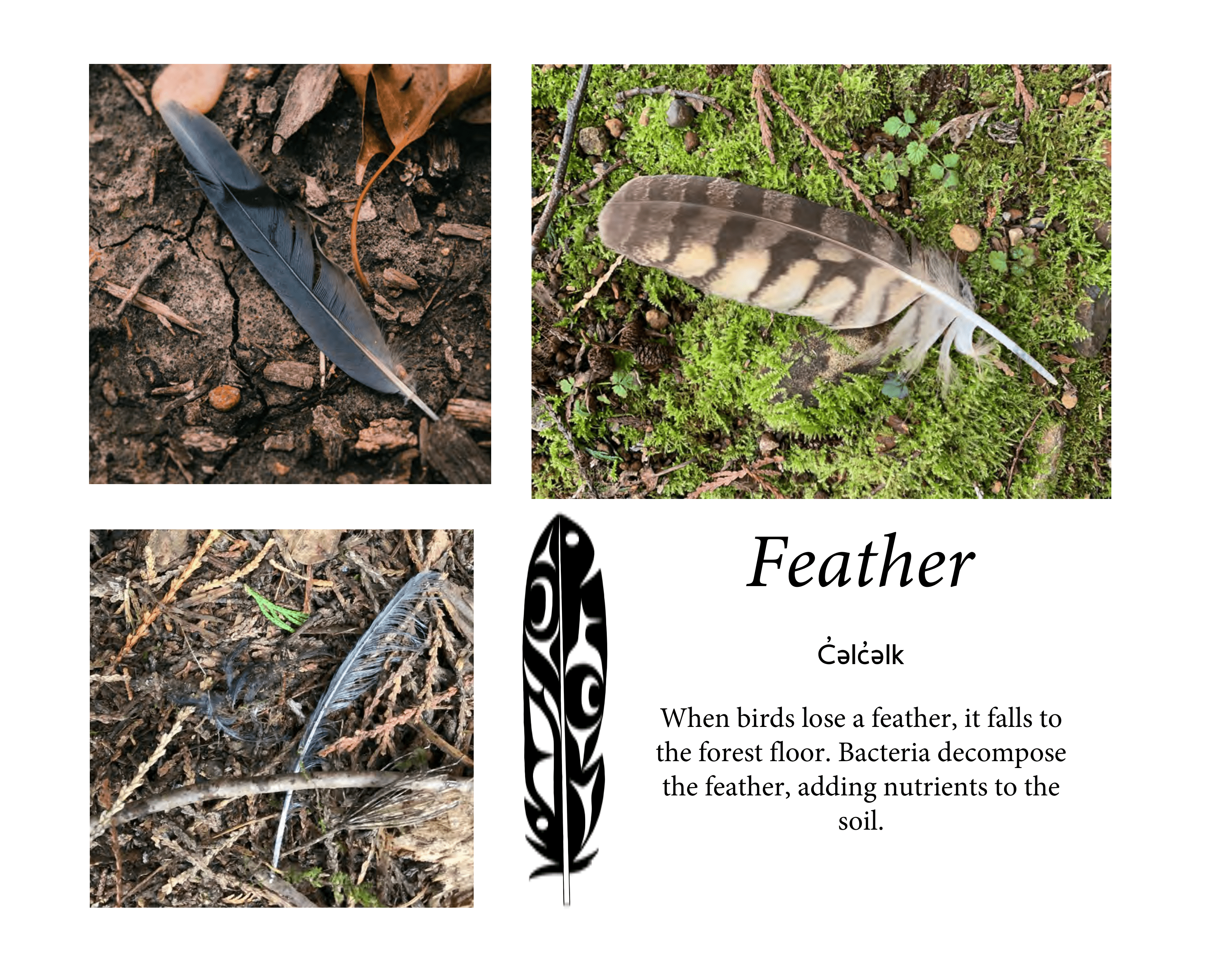
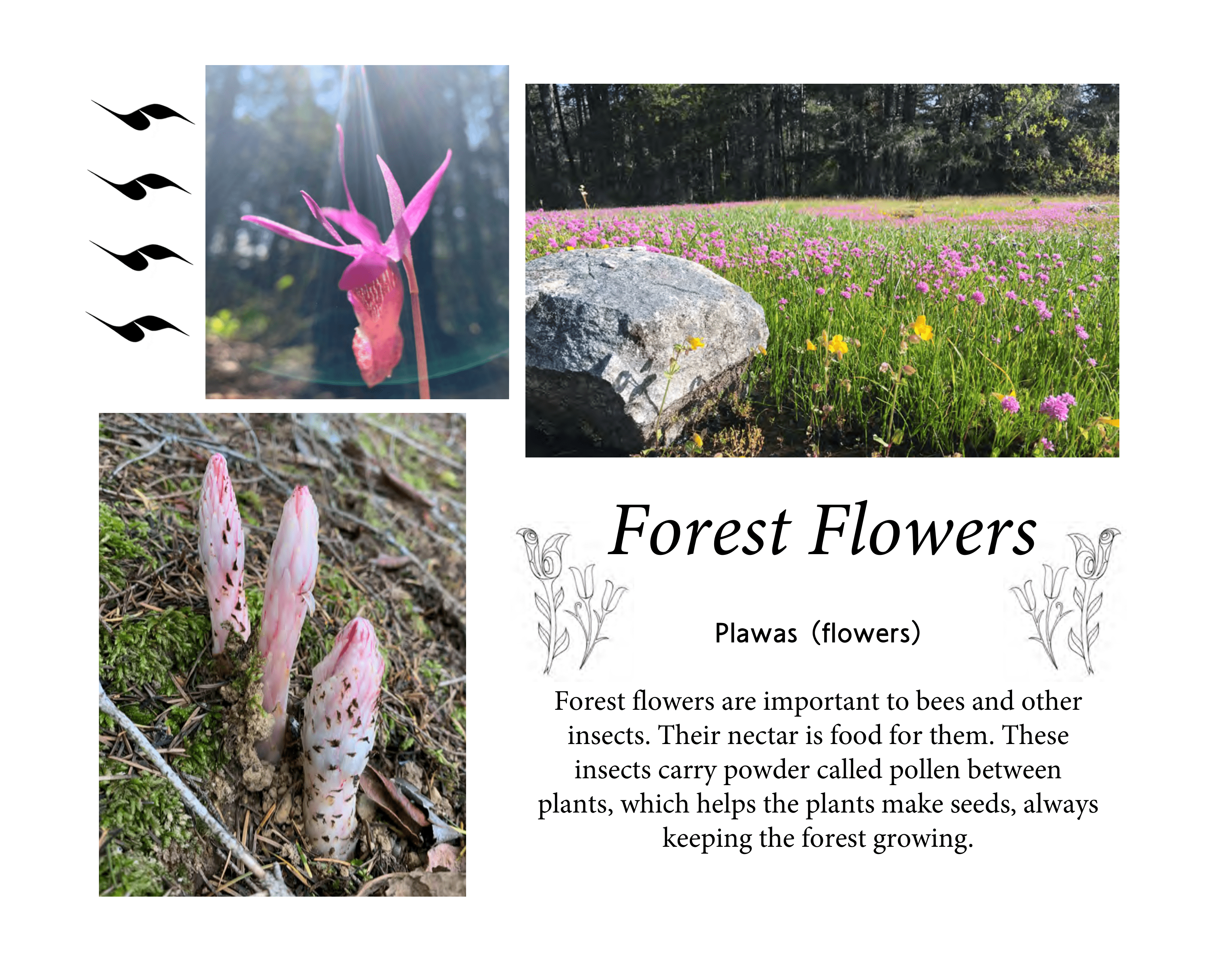
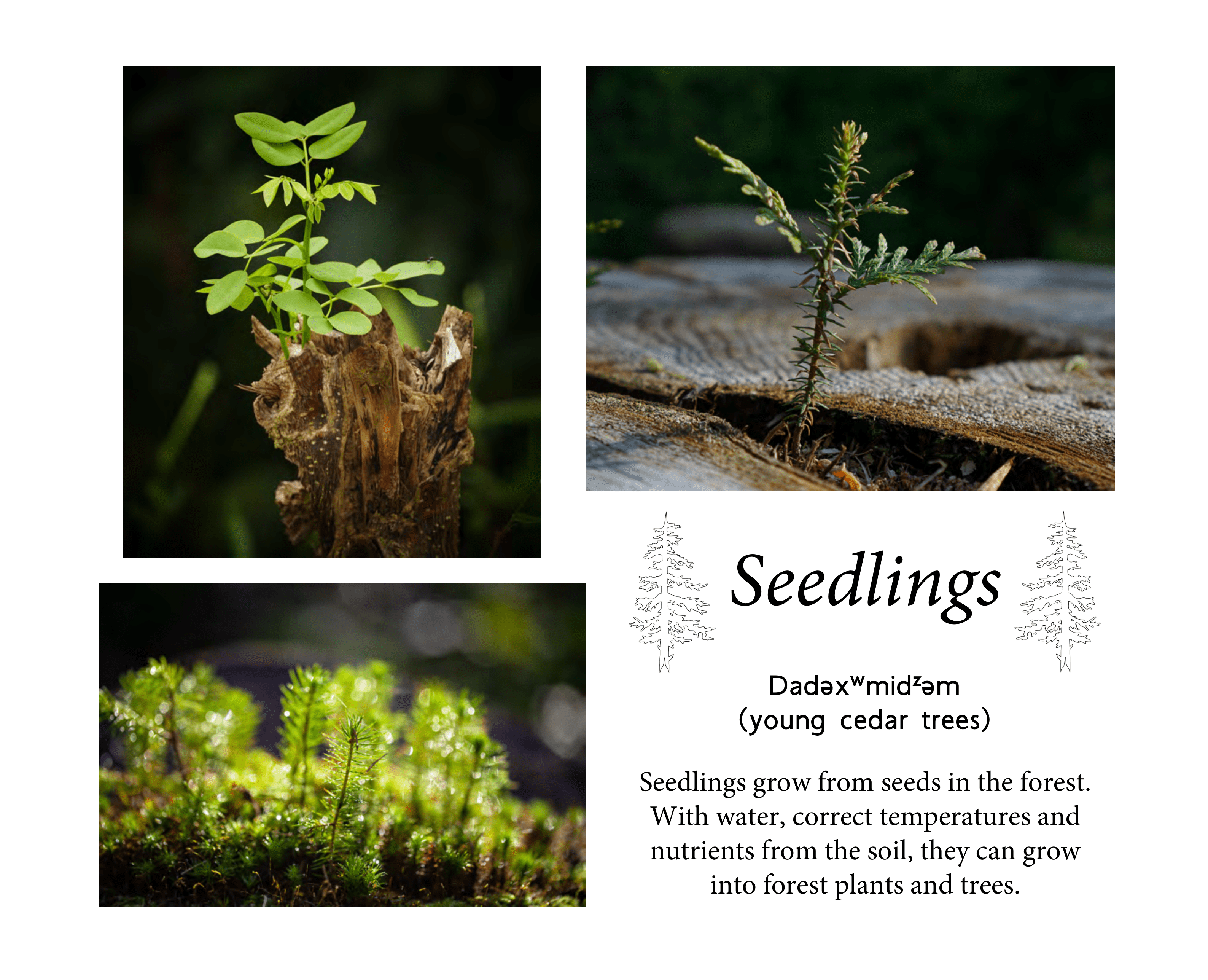
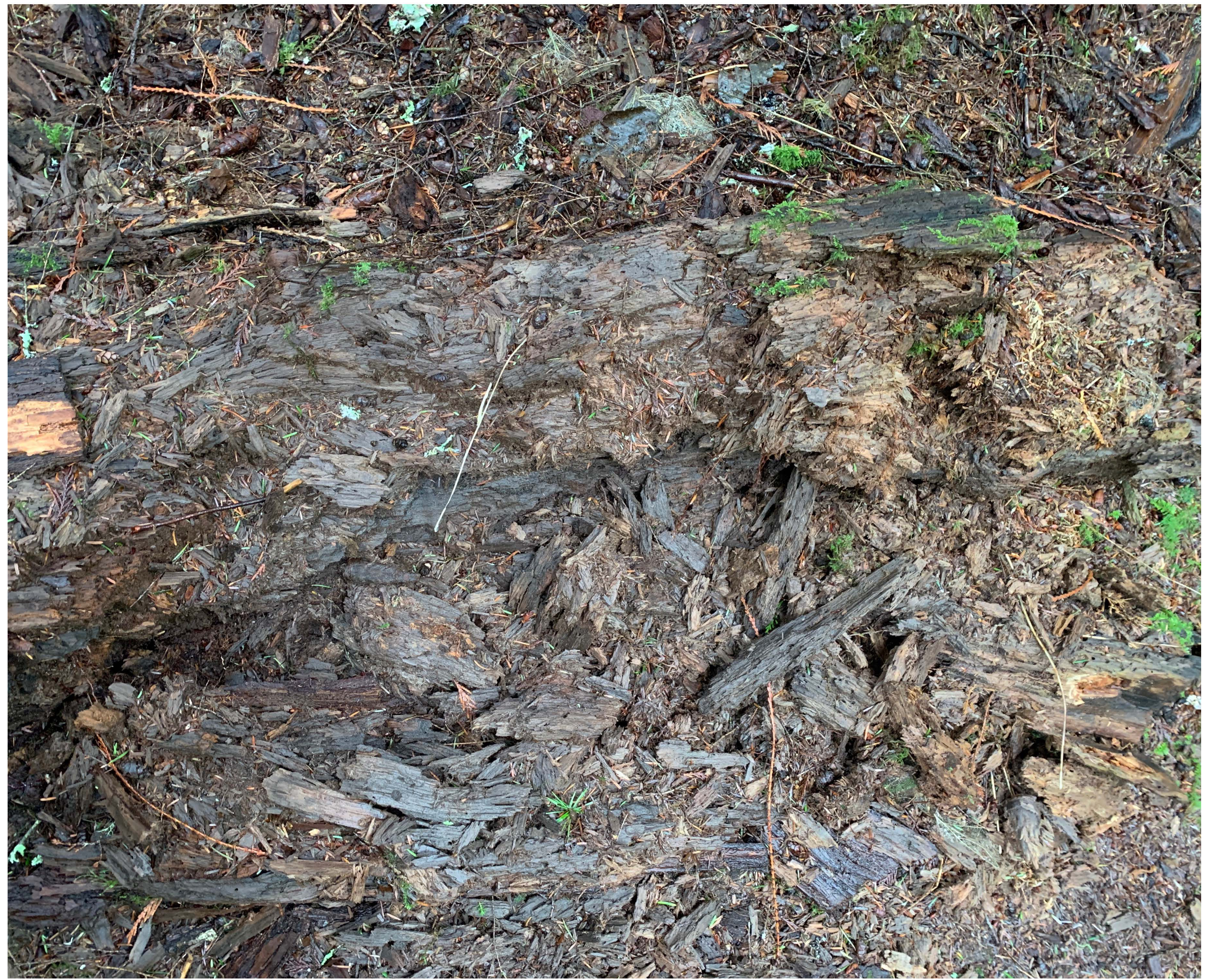
In this level, the intention is for children to explore the forest floor and learn about what lives here. Consider ways for the children to understand the connection between what is in the soil with what lives on top of it. Children can get down on the forest floor and look around. It’s a whole new world when you look closely. Look for decaying and decomposing plant matter. What does it feel like? What does it smell like?
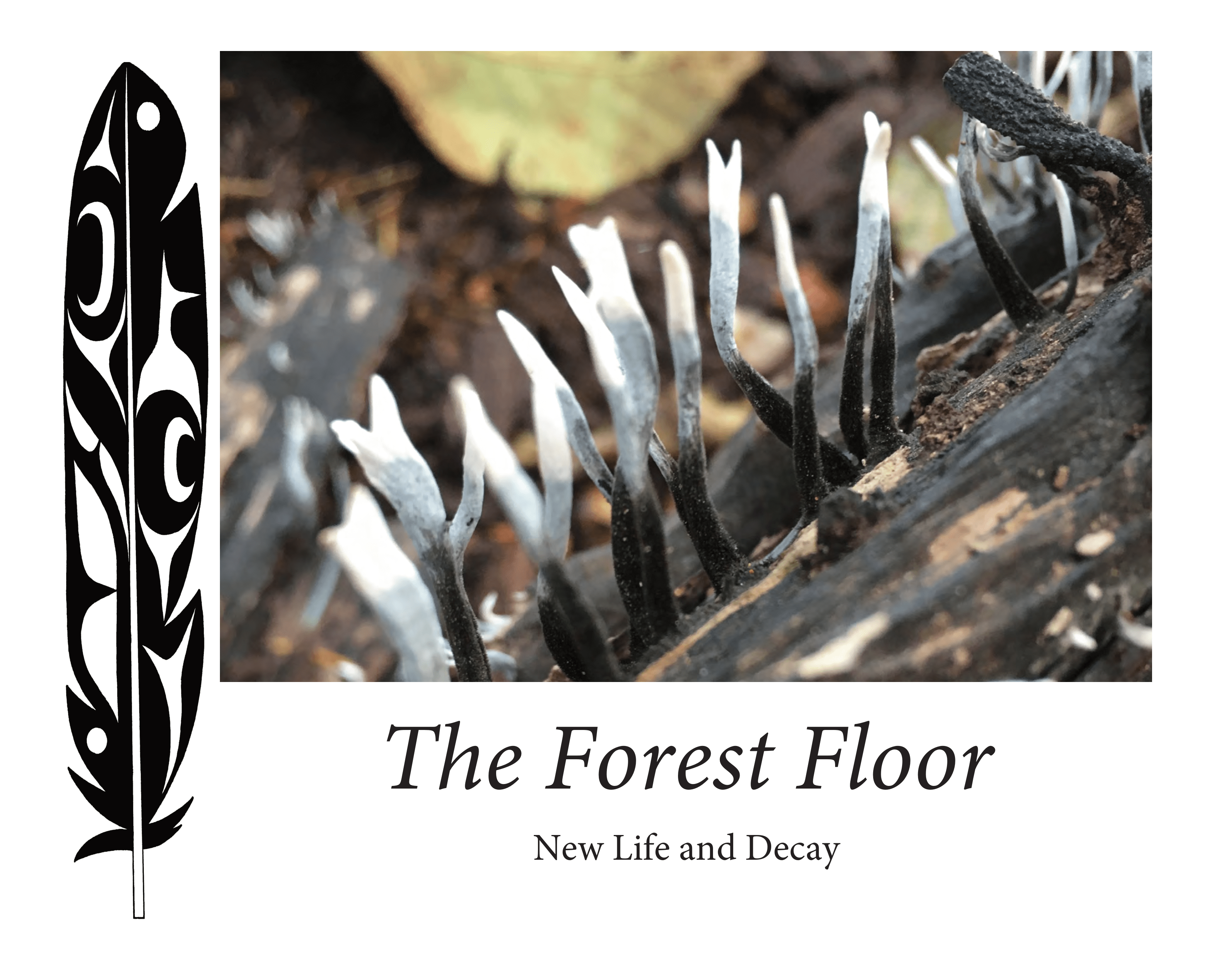
This level is supported by Book 2 – The Forest Floor: New Life and DecayLevel 2 Curriculum 0-2
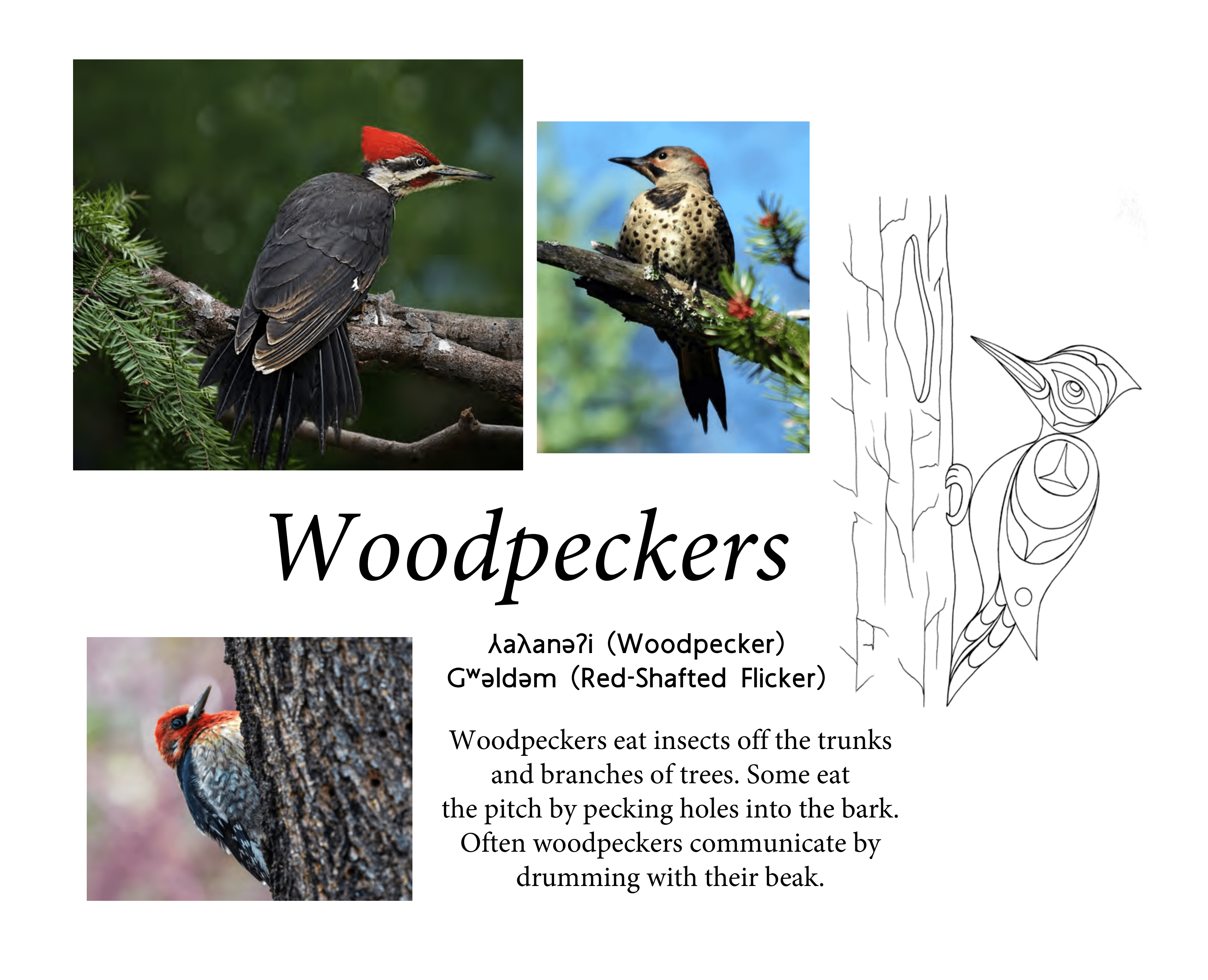
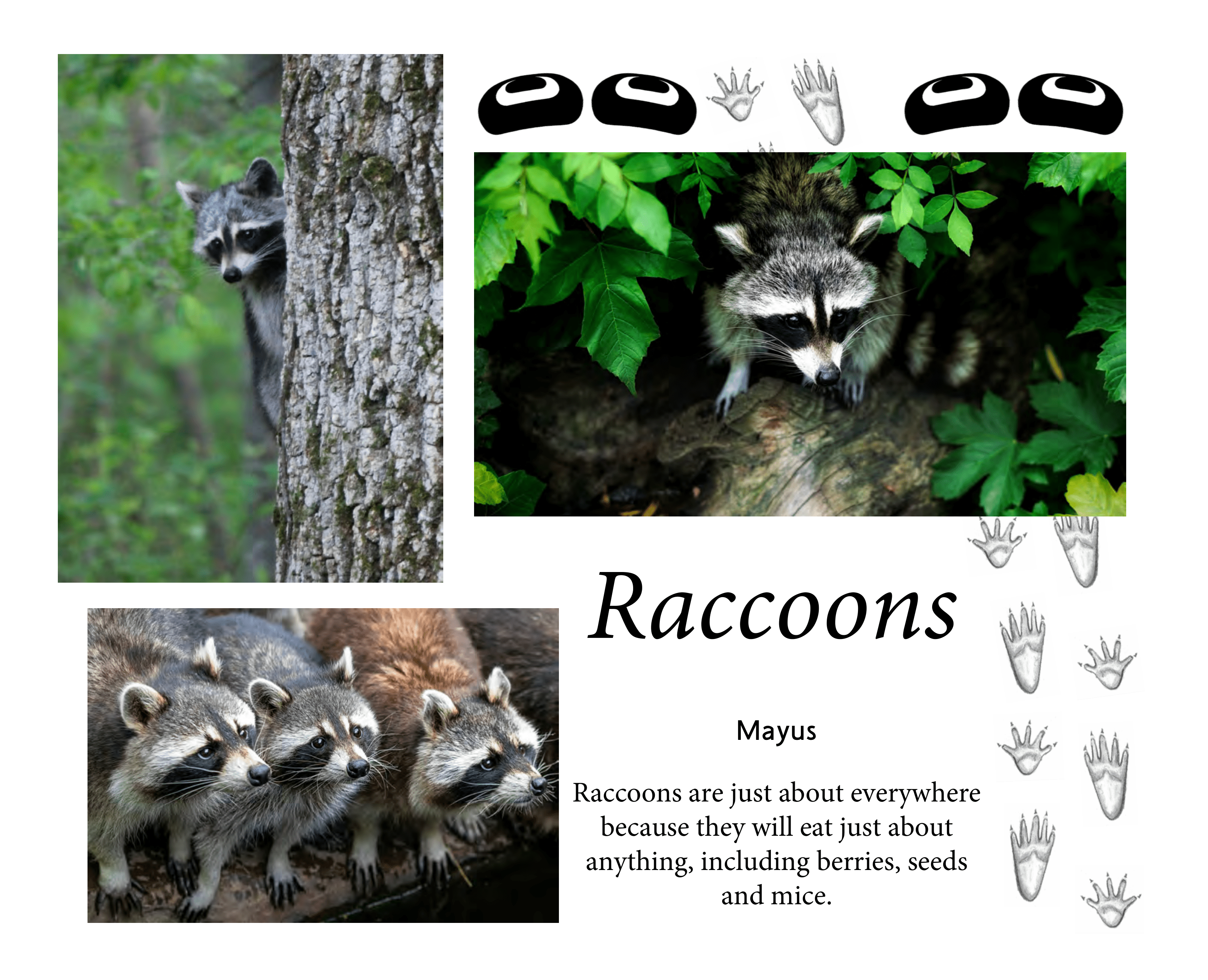
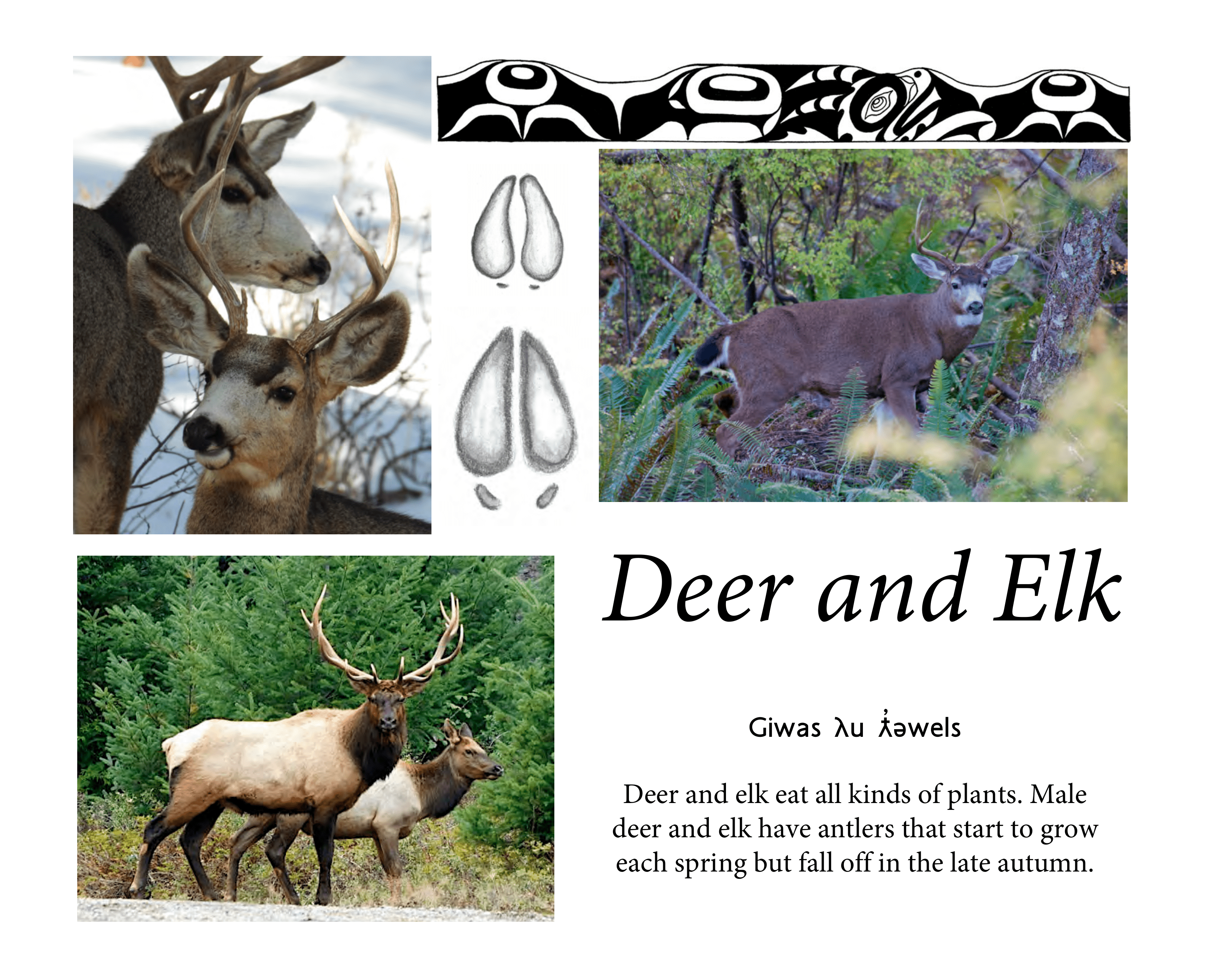
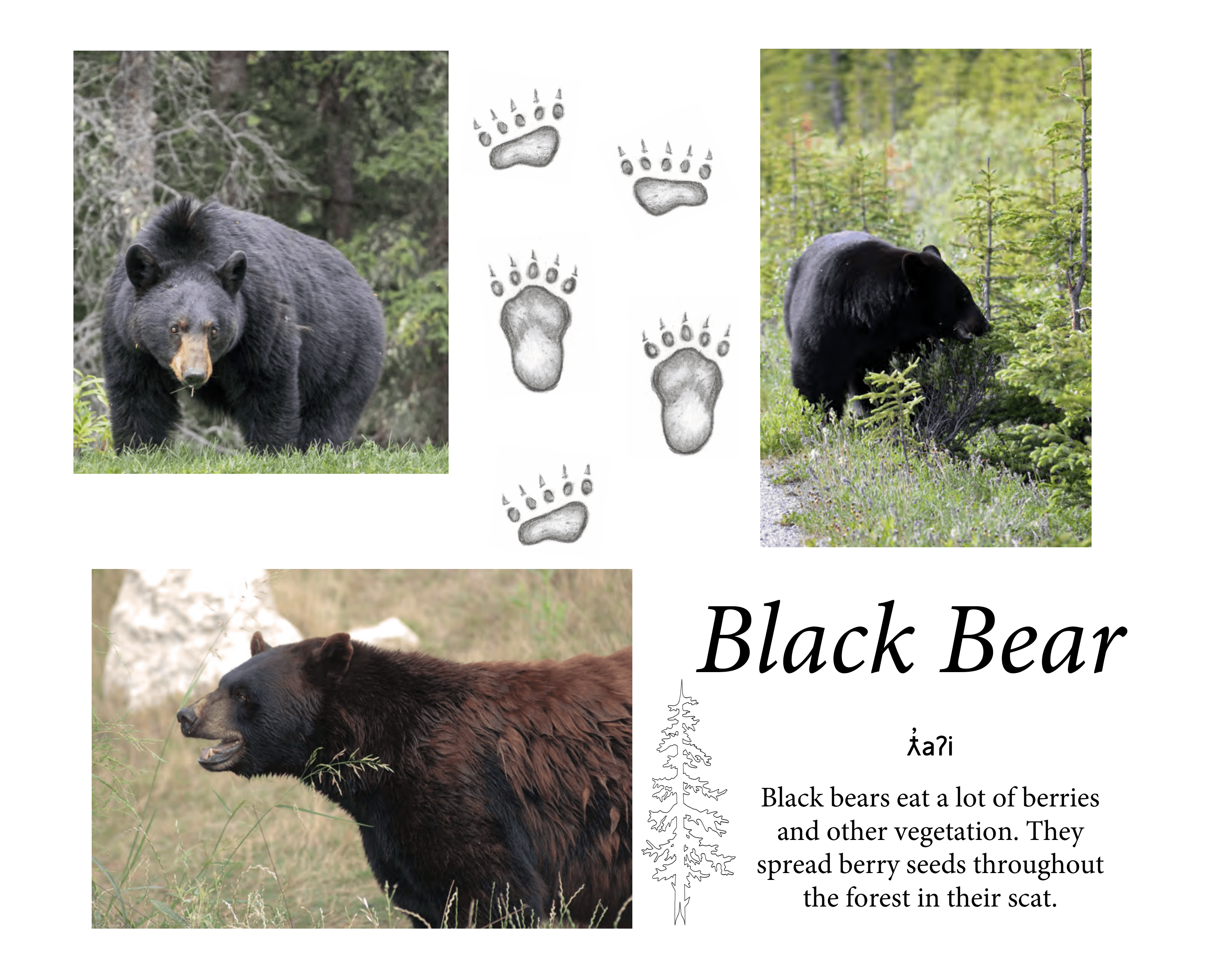
Go Fish Playing Cards
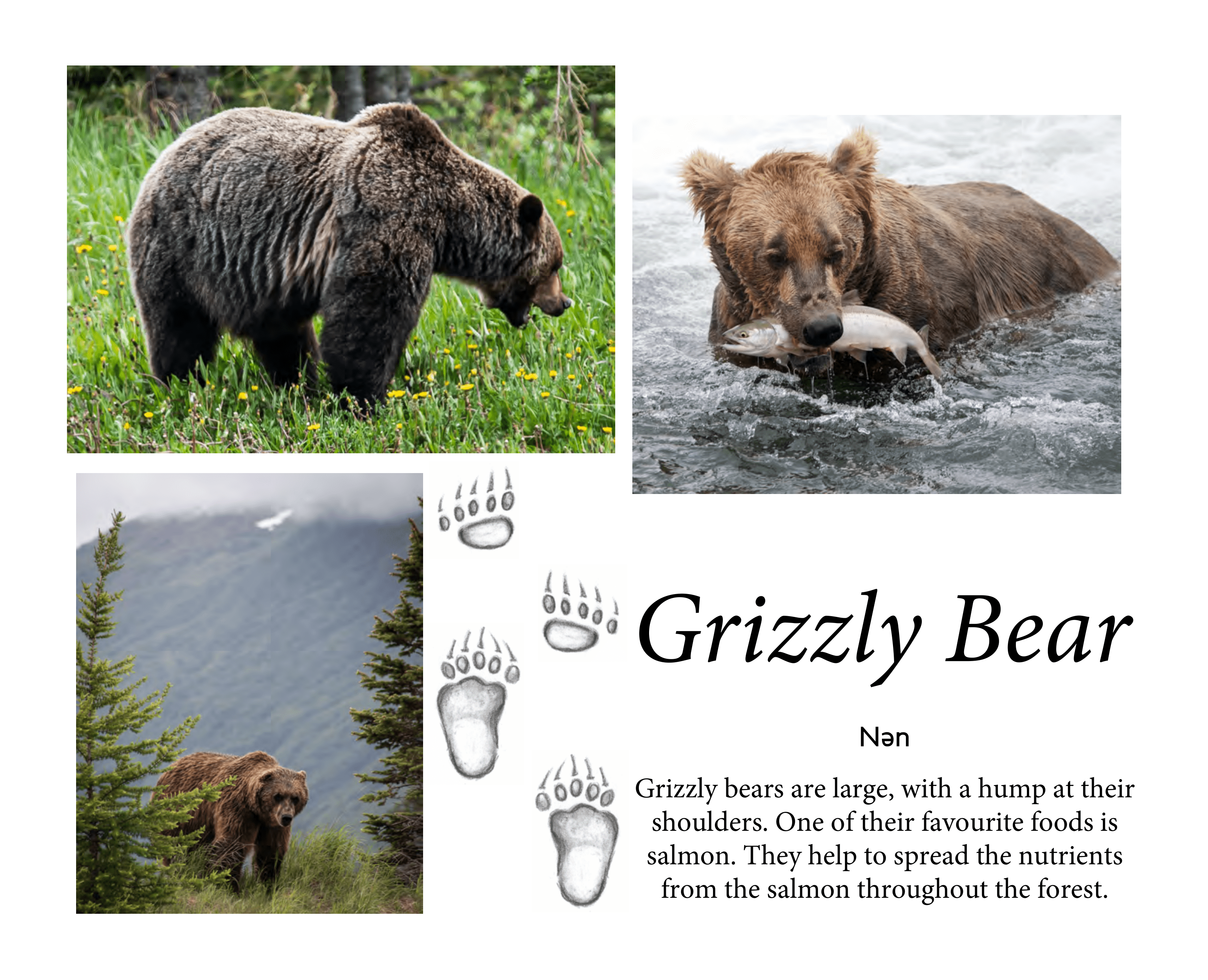
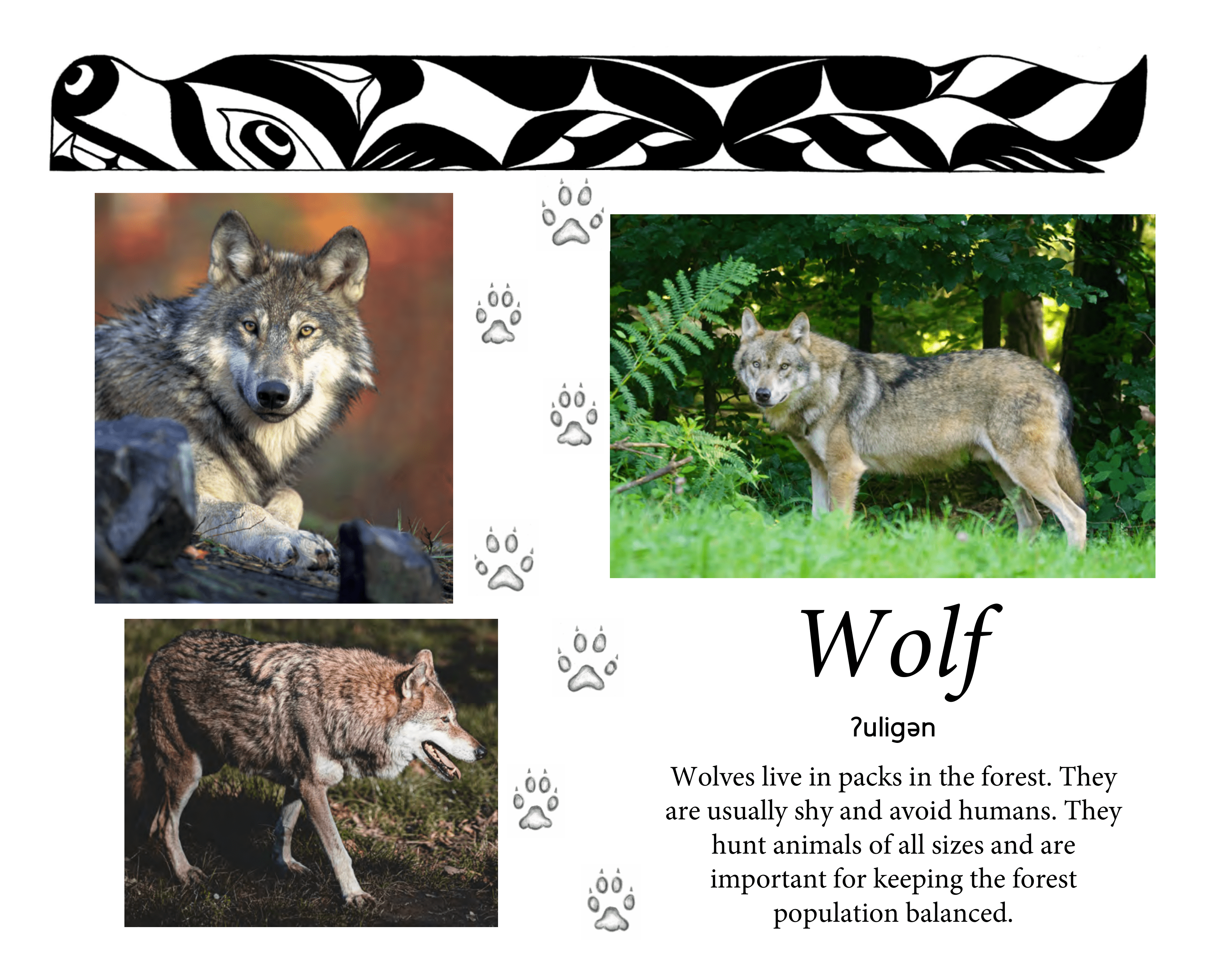
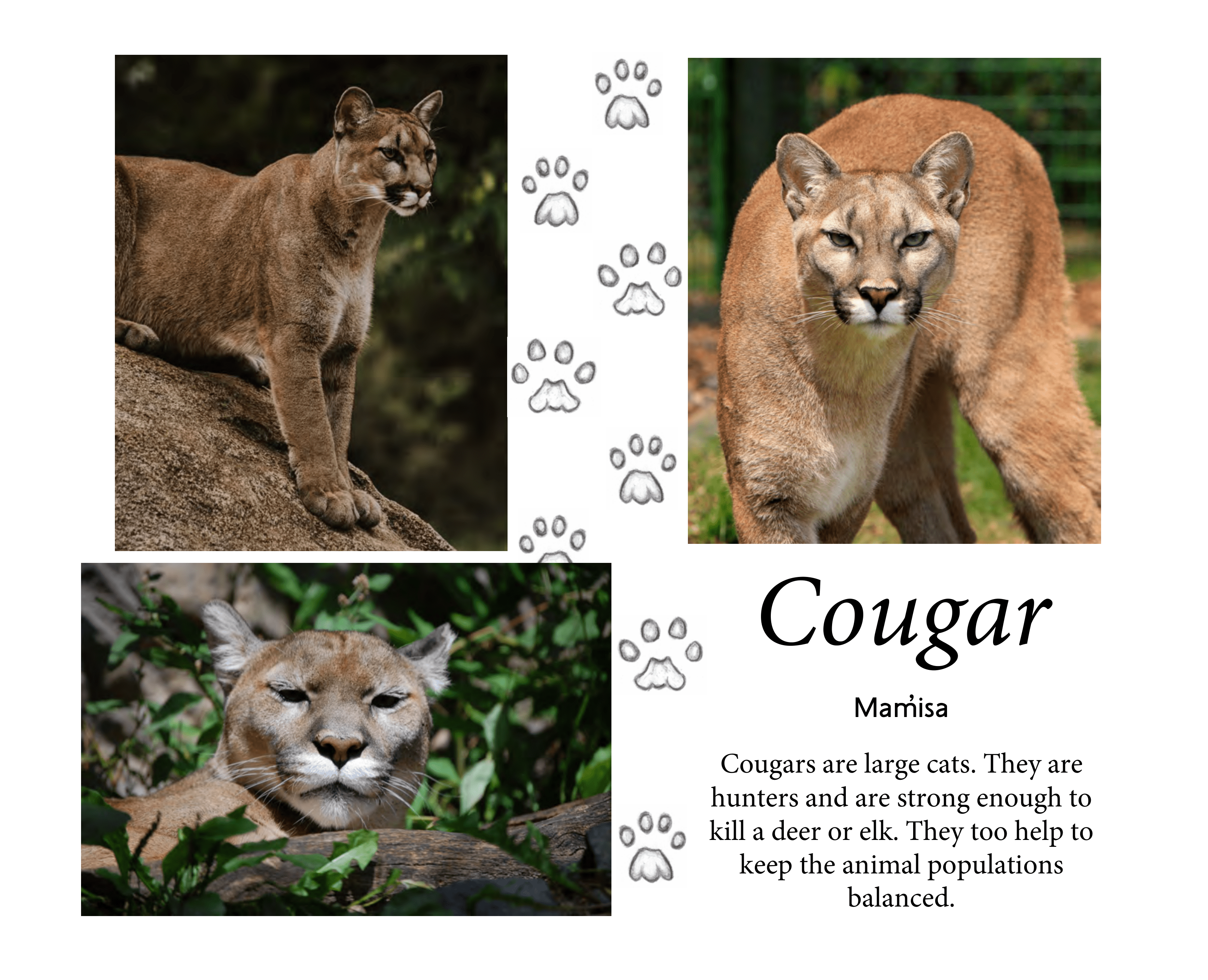
Go Fish Playing Cards - Photos only
Go Fish Playing Cards - Tracks only
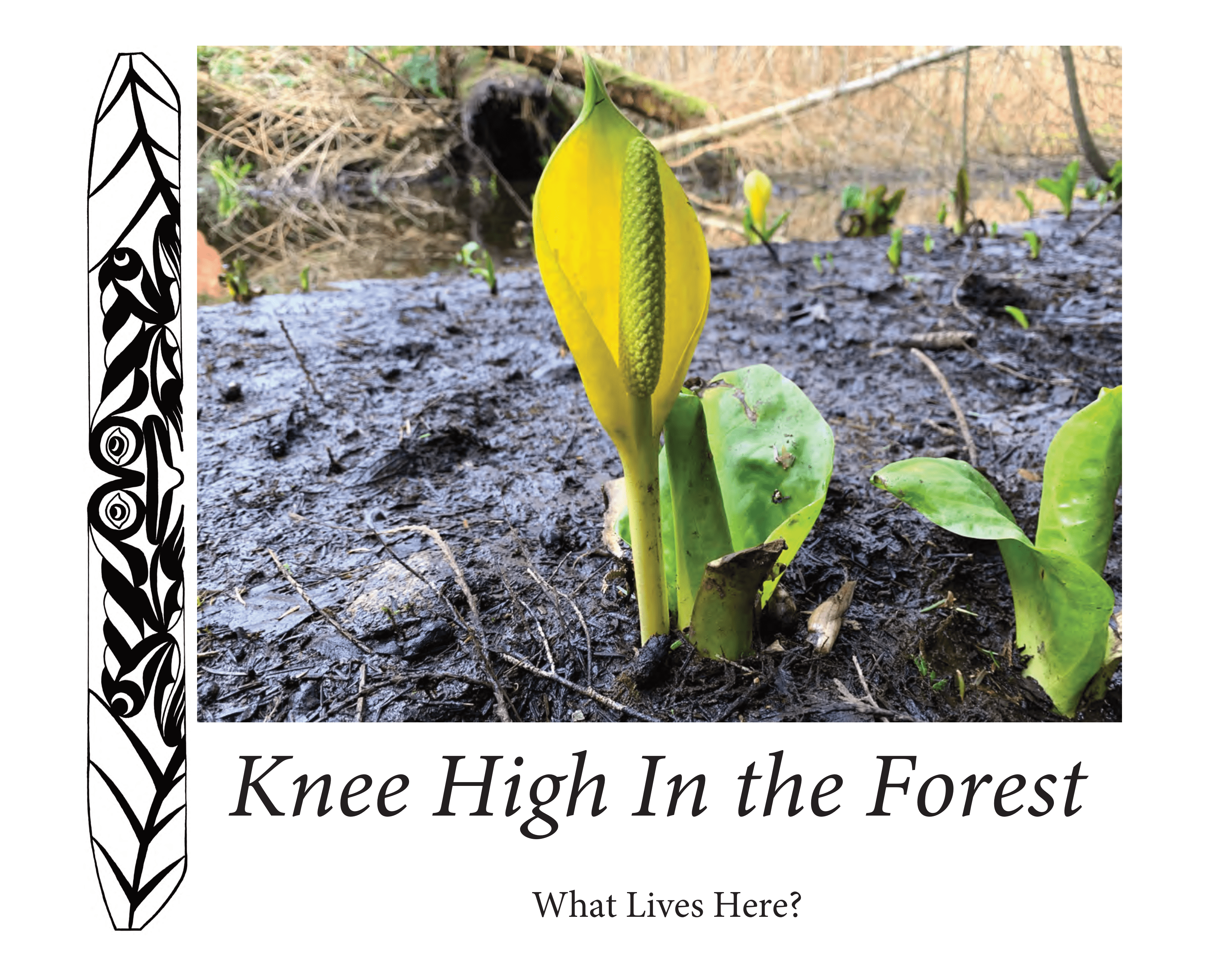
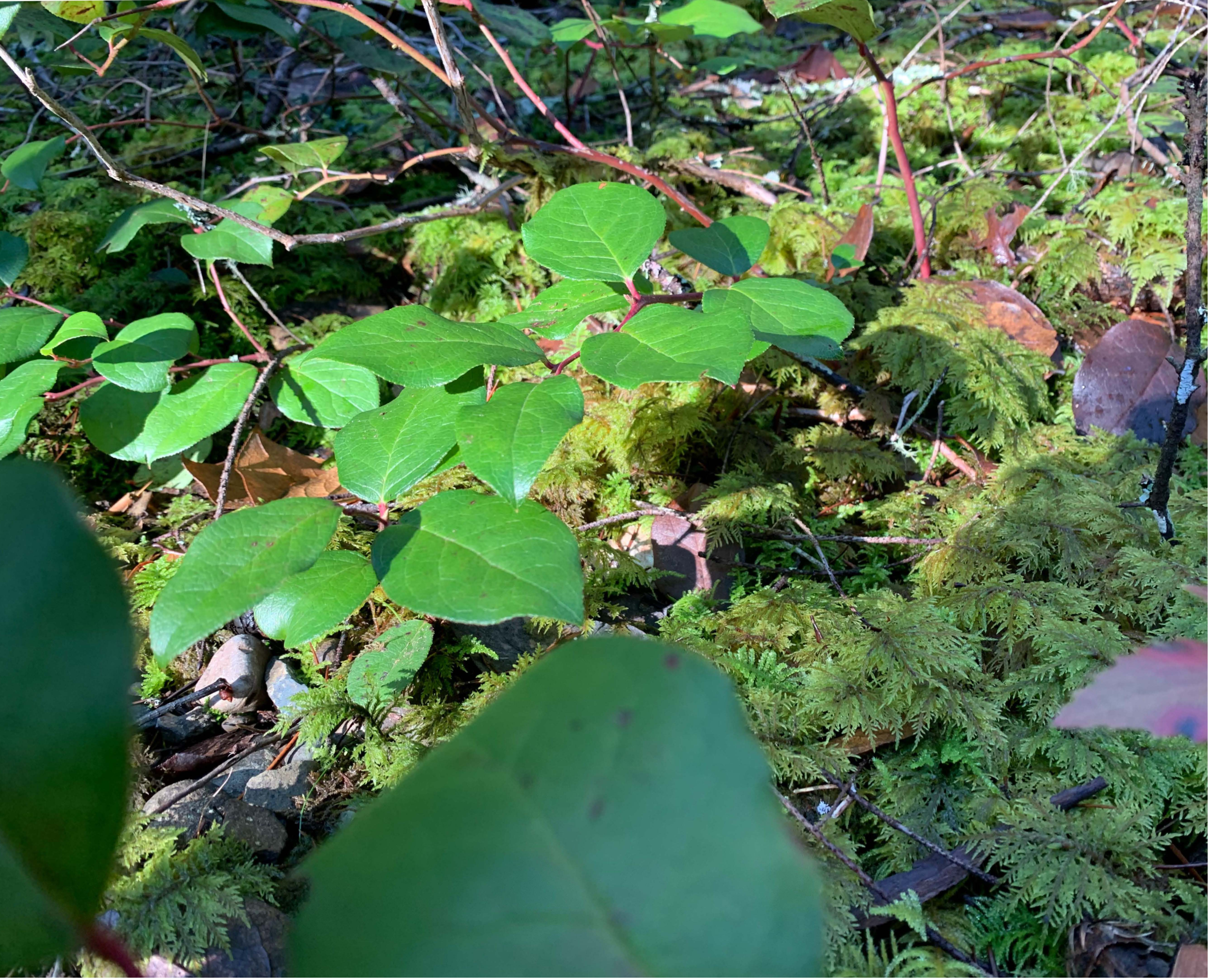

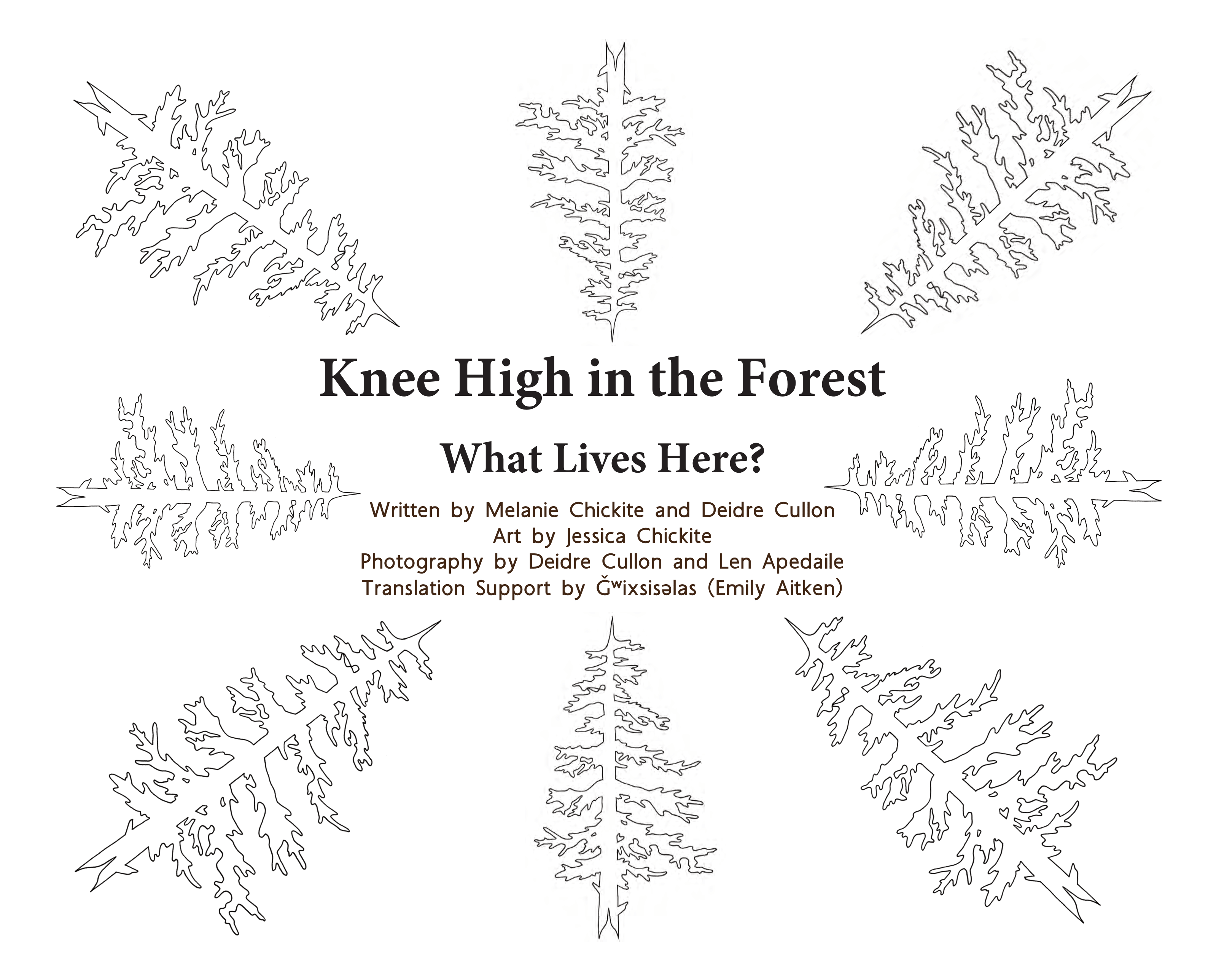
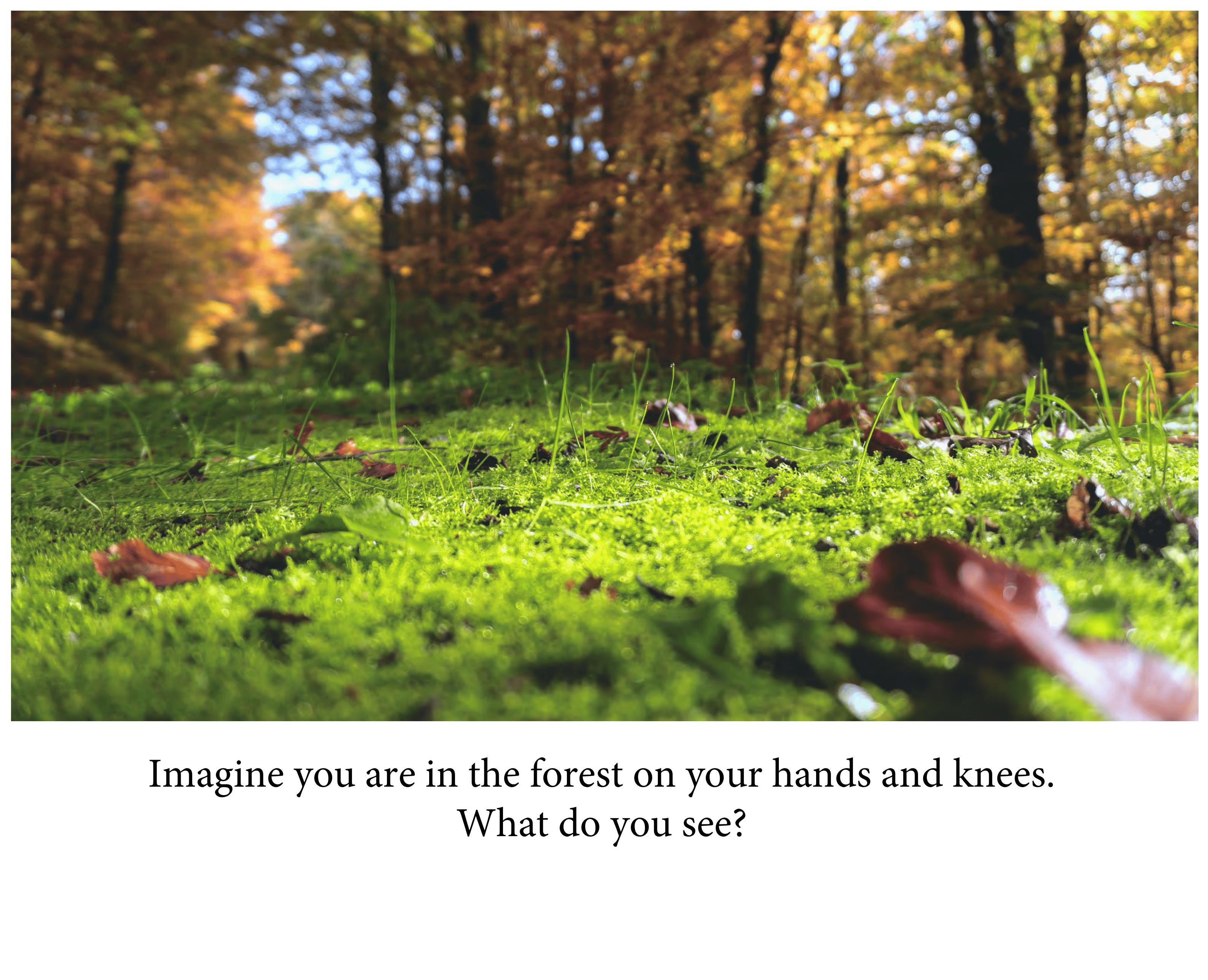
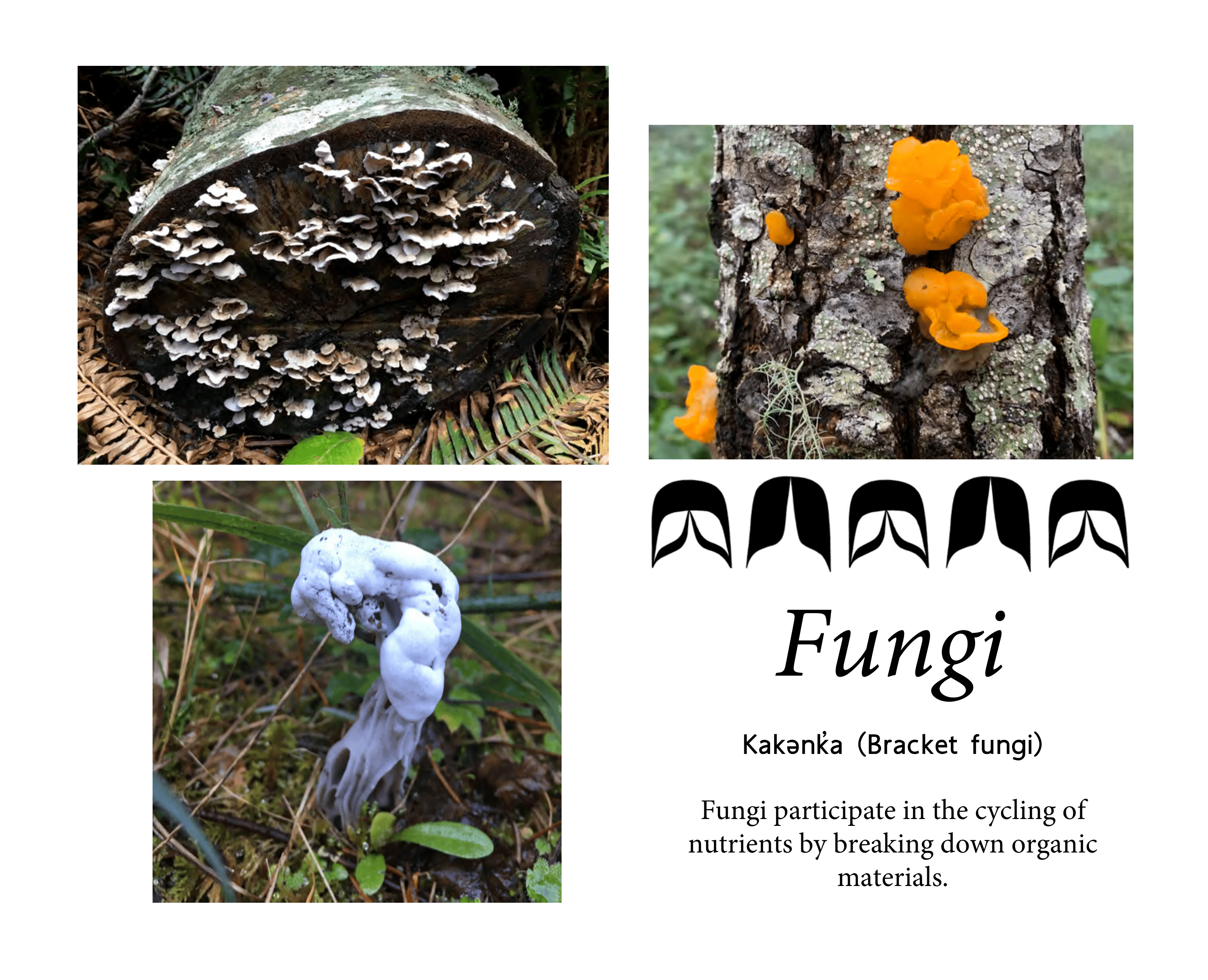
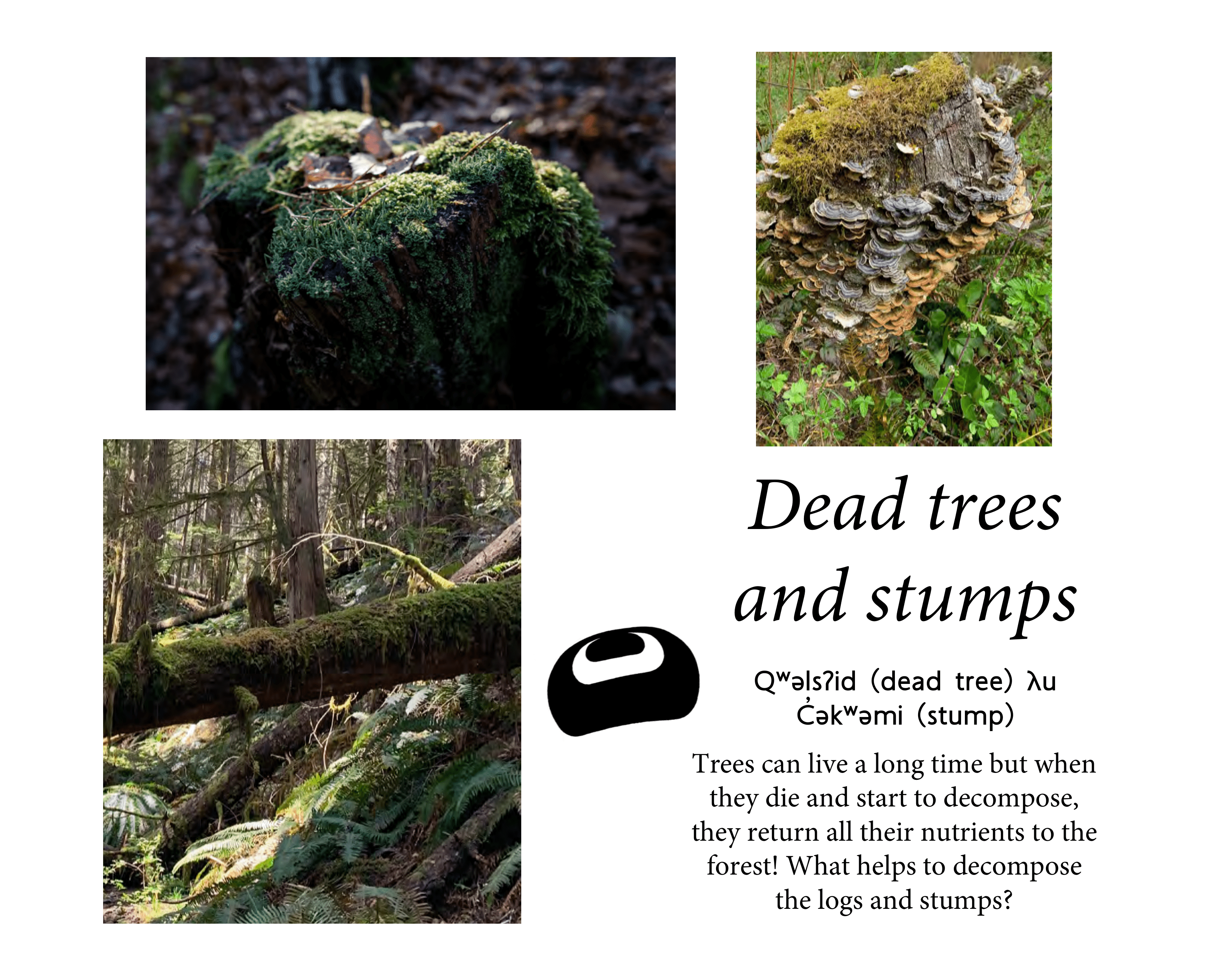
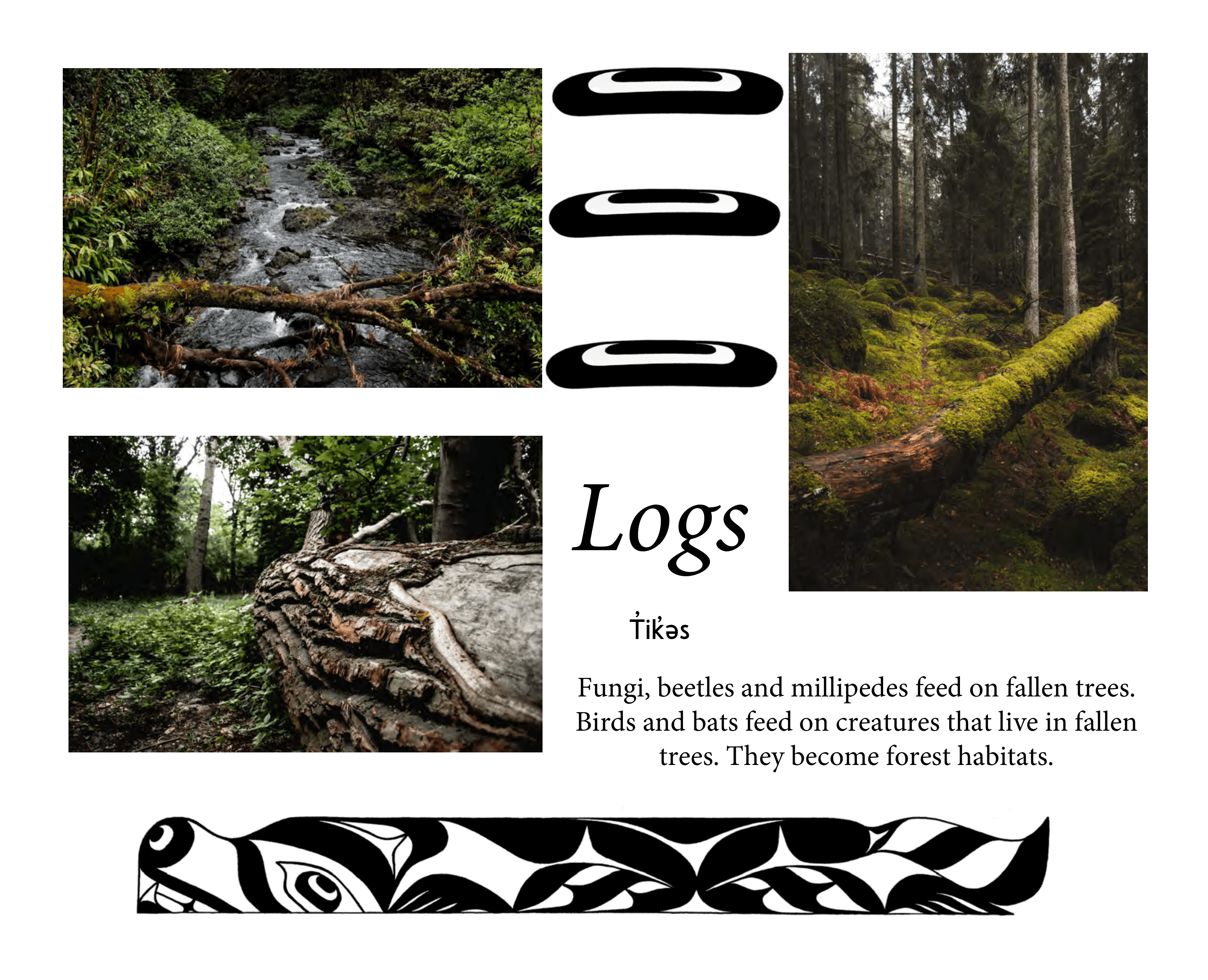
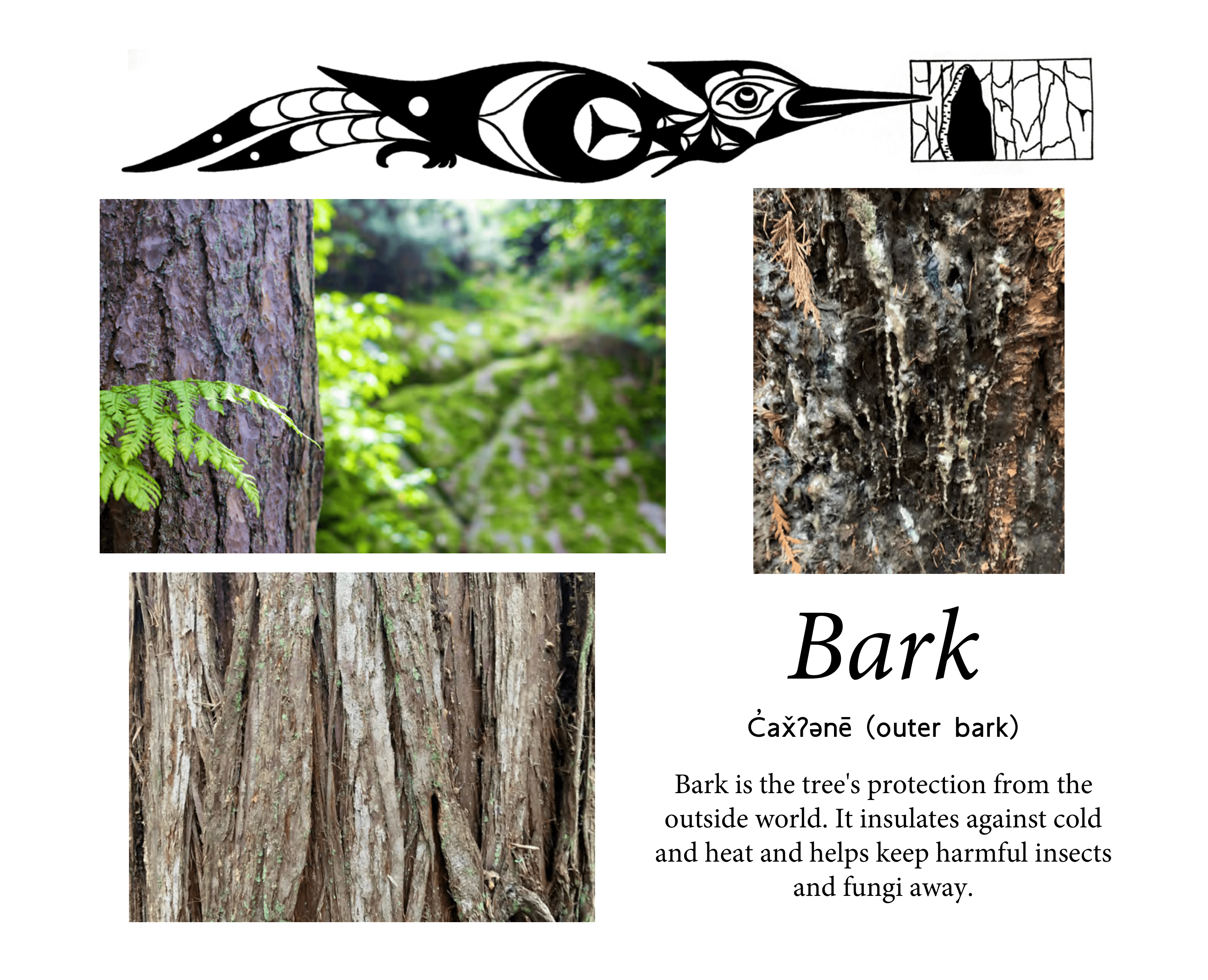
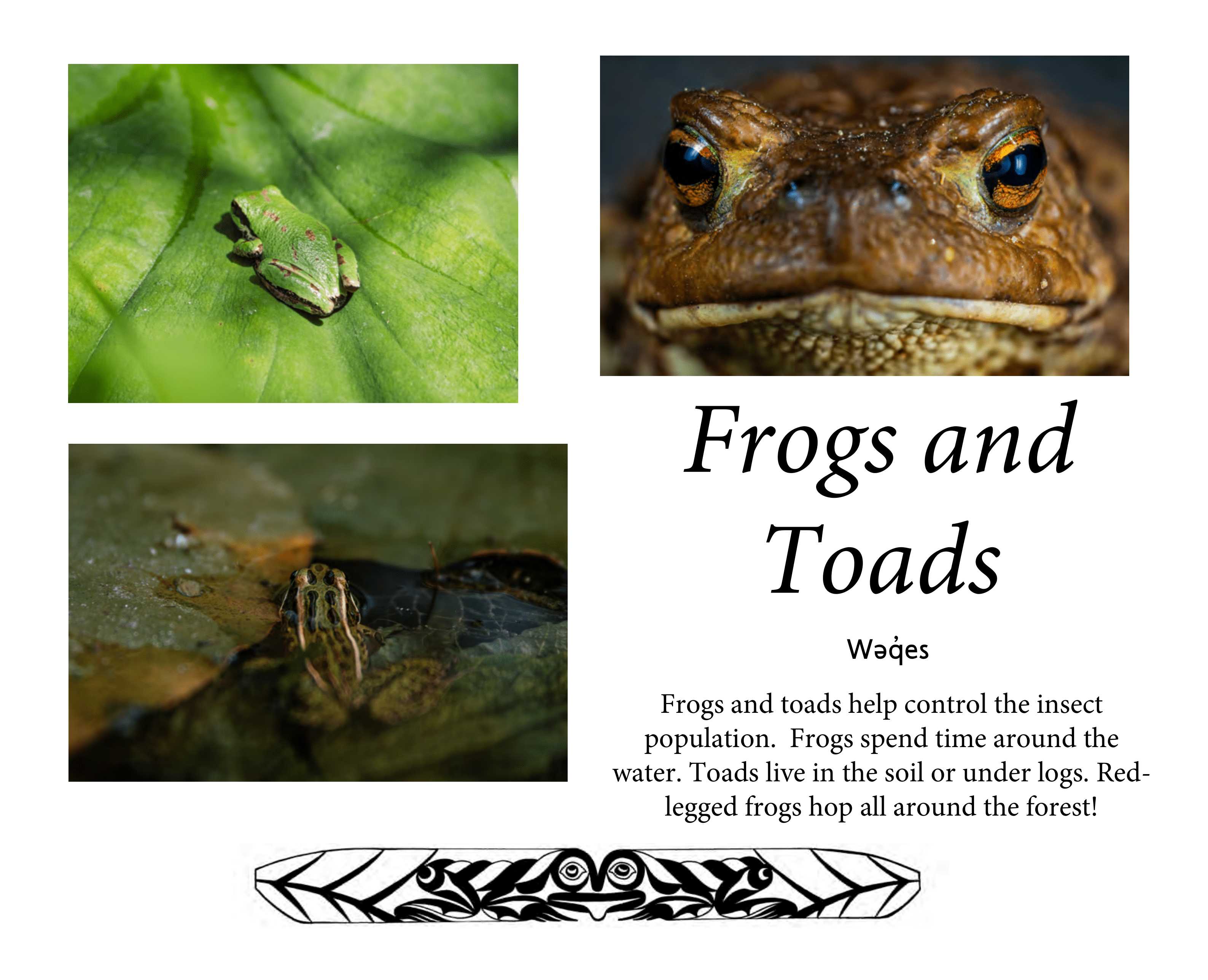
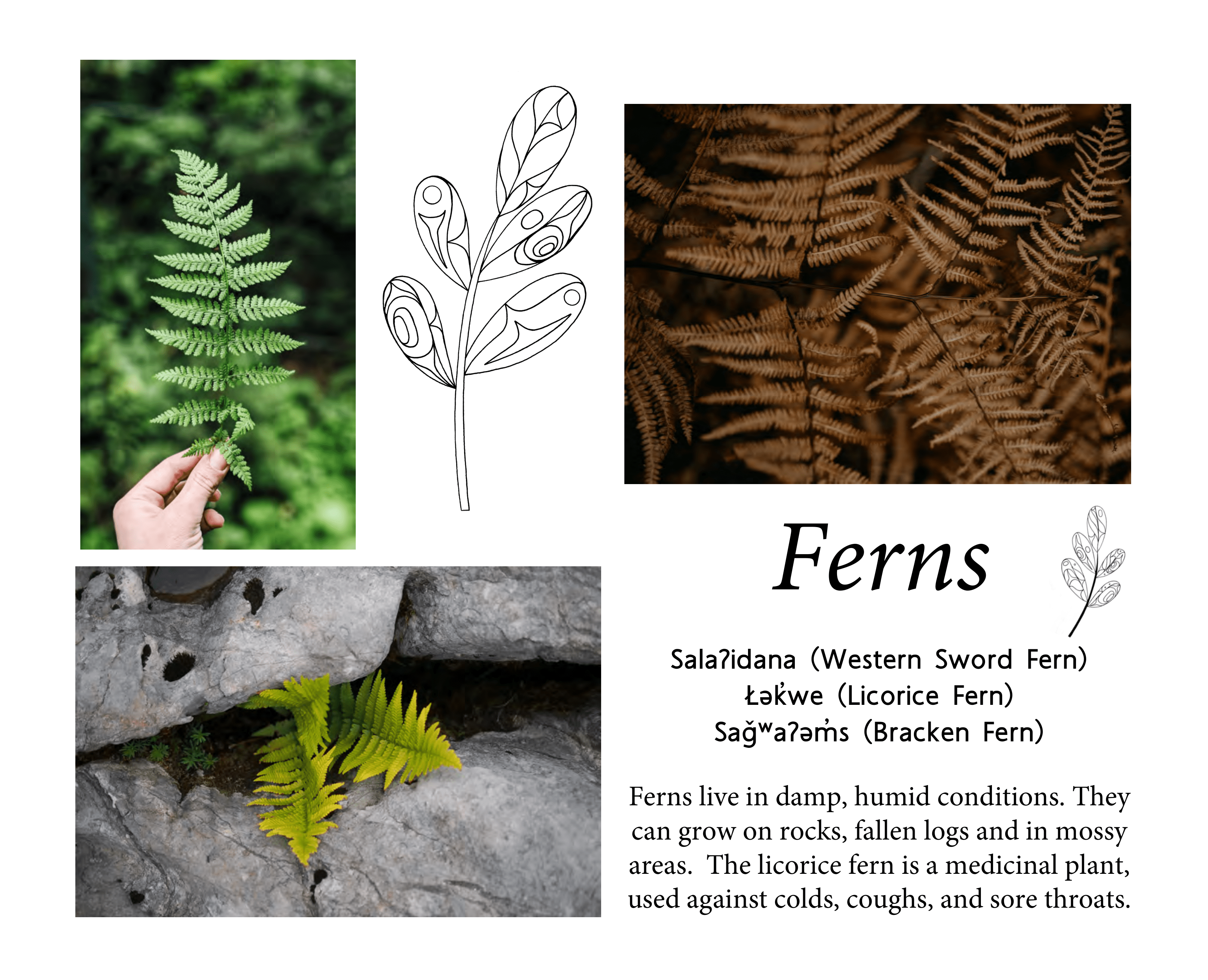
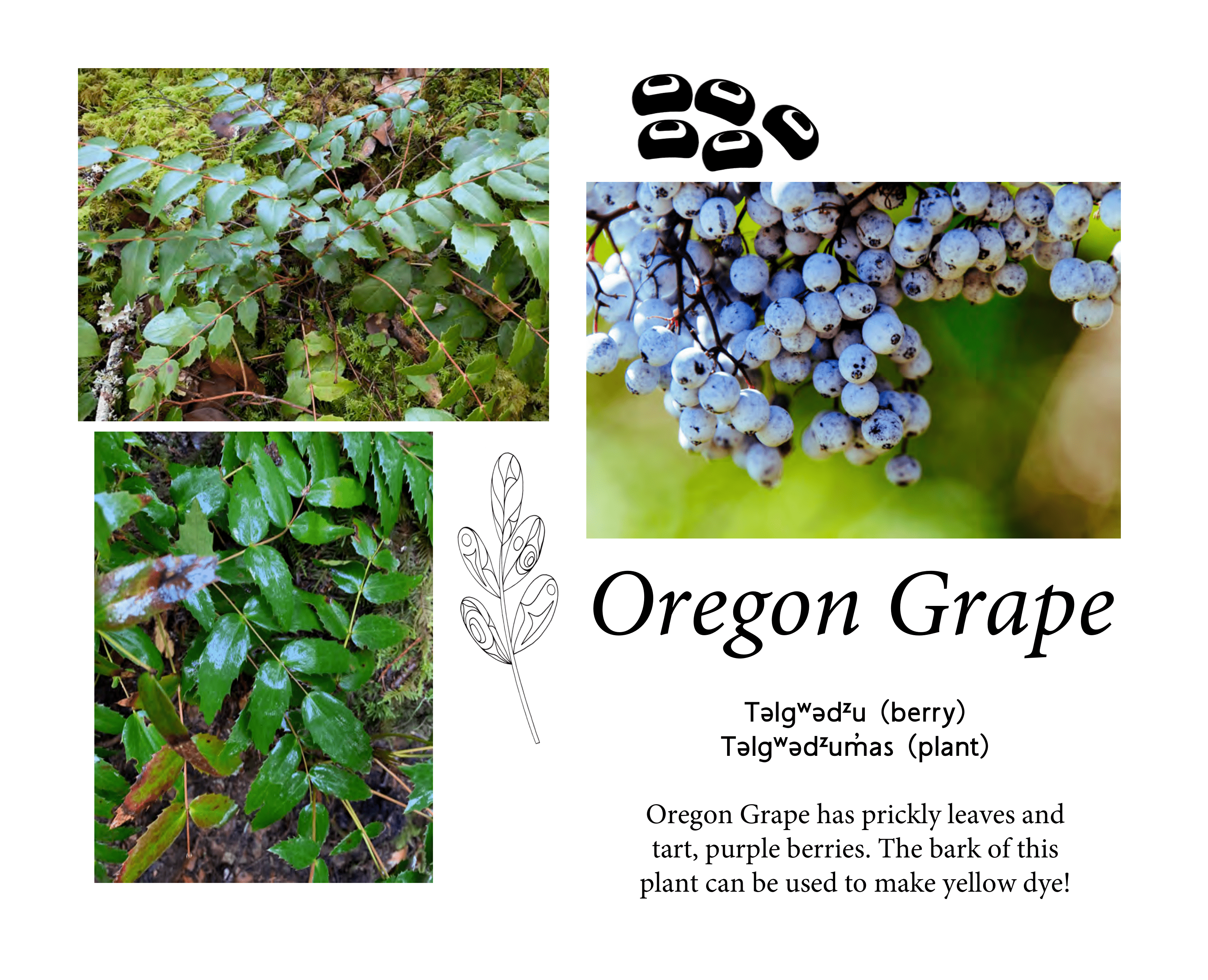
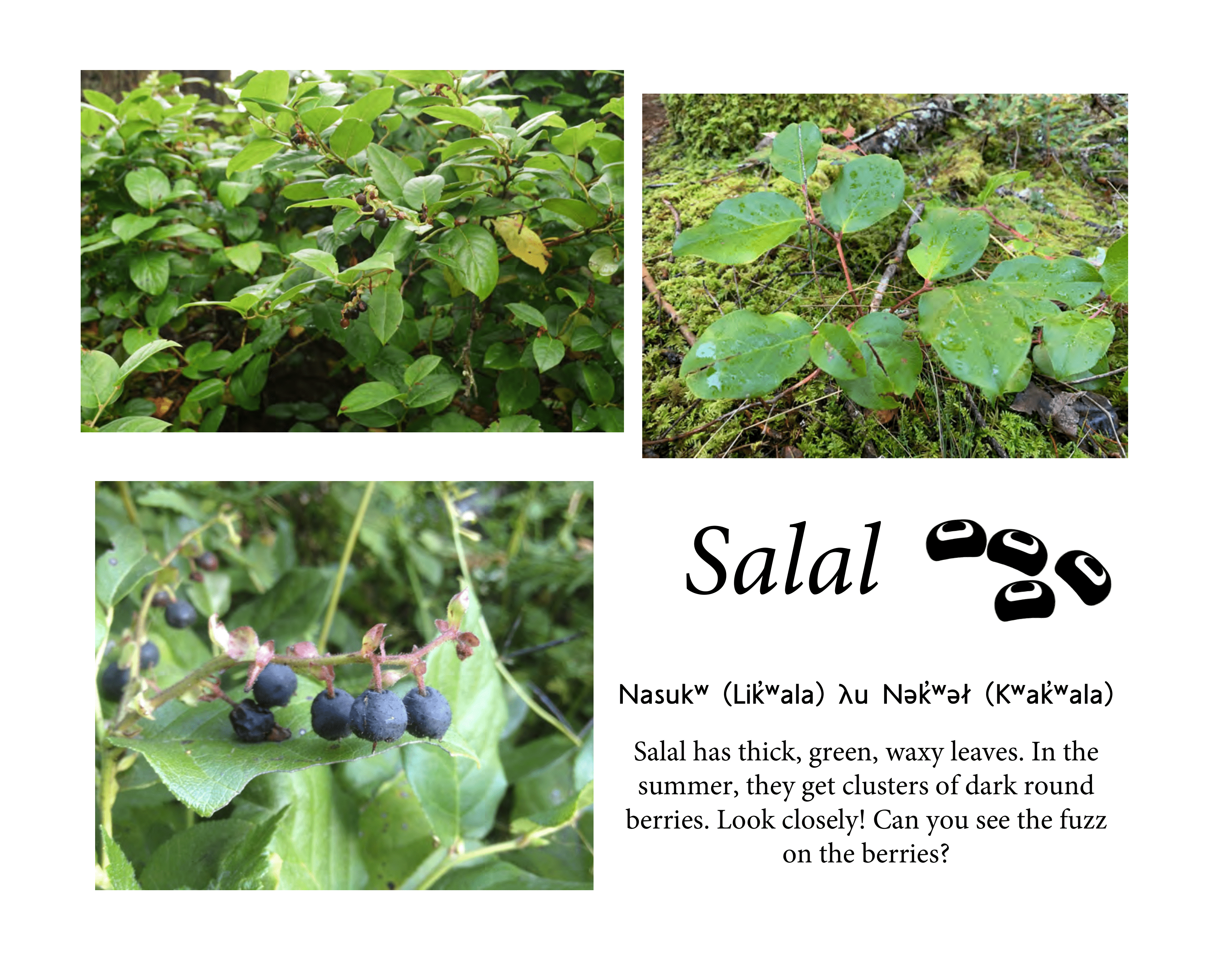
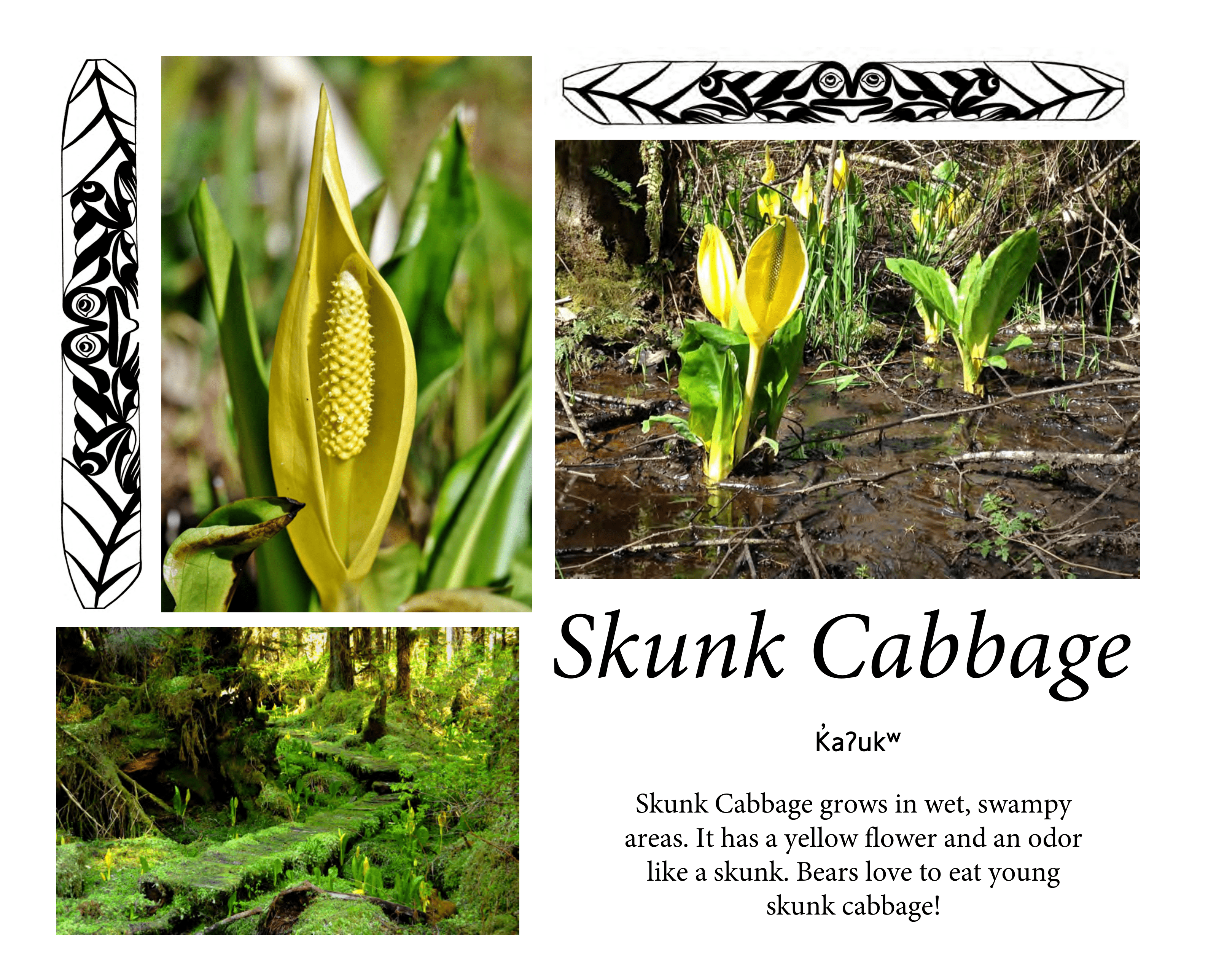
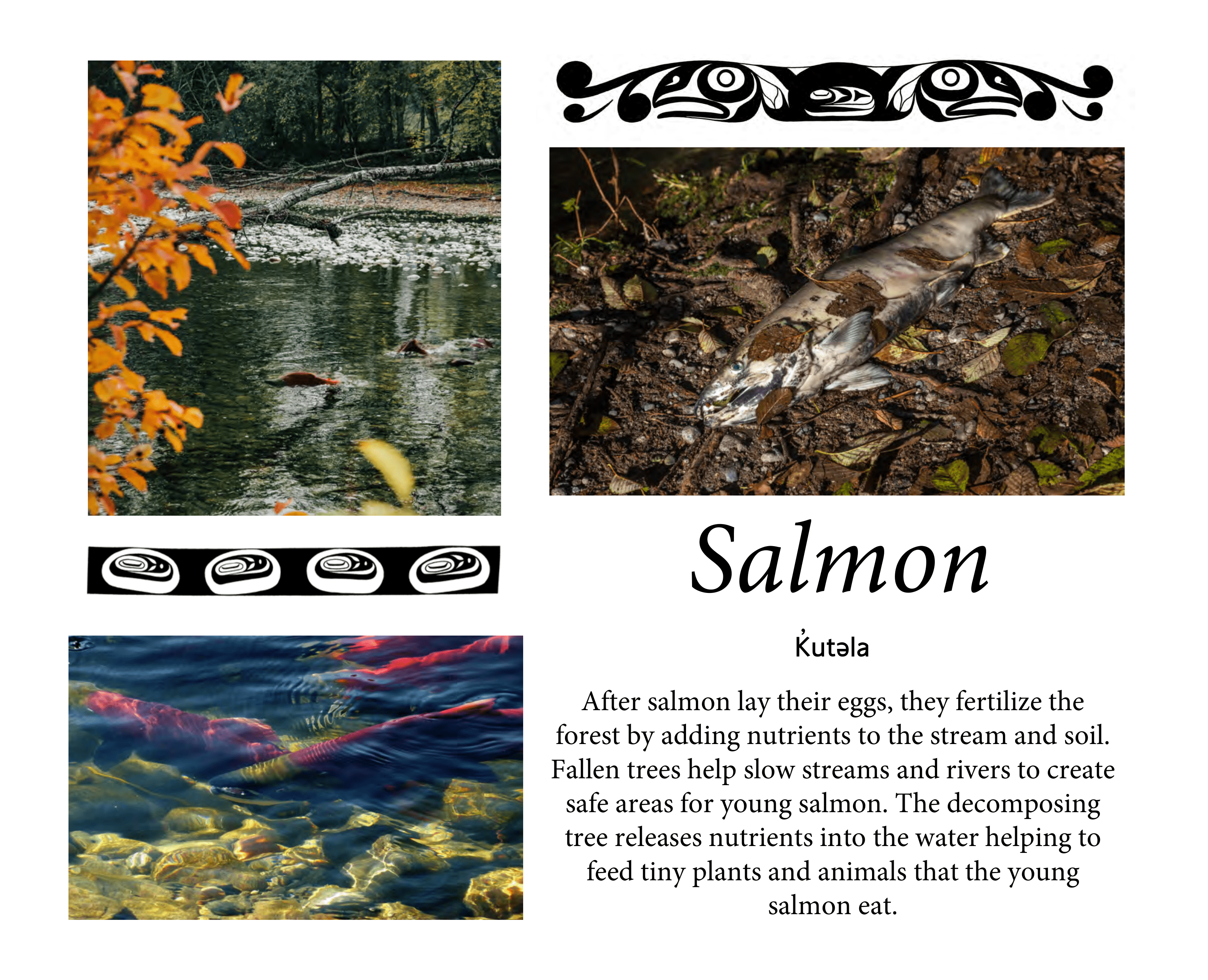
Level 3 – Knee High in the Forest
Have children crawl through the forest. Ask them what they see. Children should seek connections with the other parts of the forest to begin to understand that the forest world at this level, just above the forest floor is important for a healthy forest.
This level is supported by Book 3 – Knee High in the Forest: What Lives Here?Level 3 Curriculum 0-2

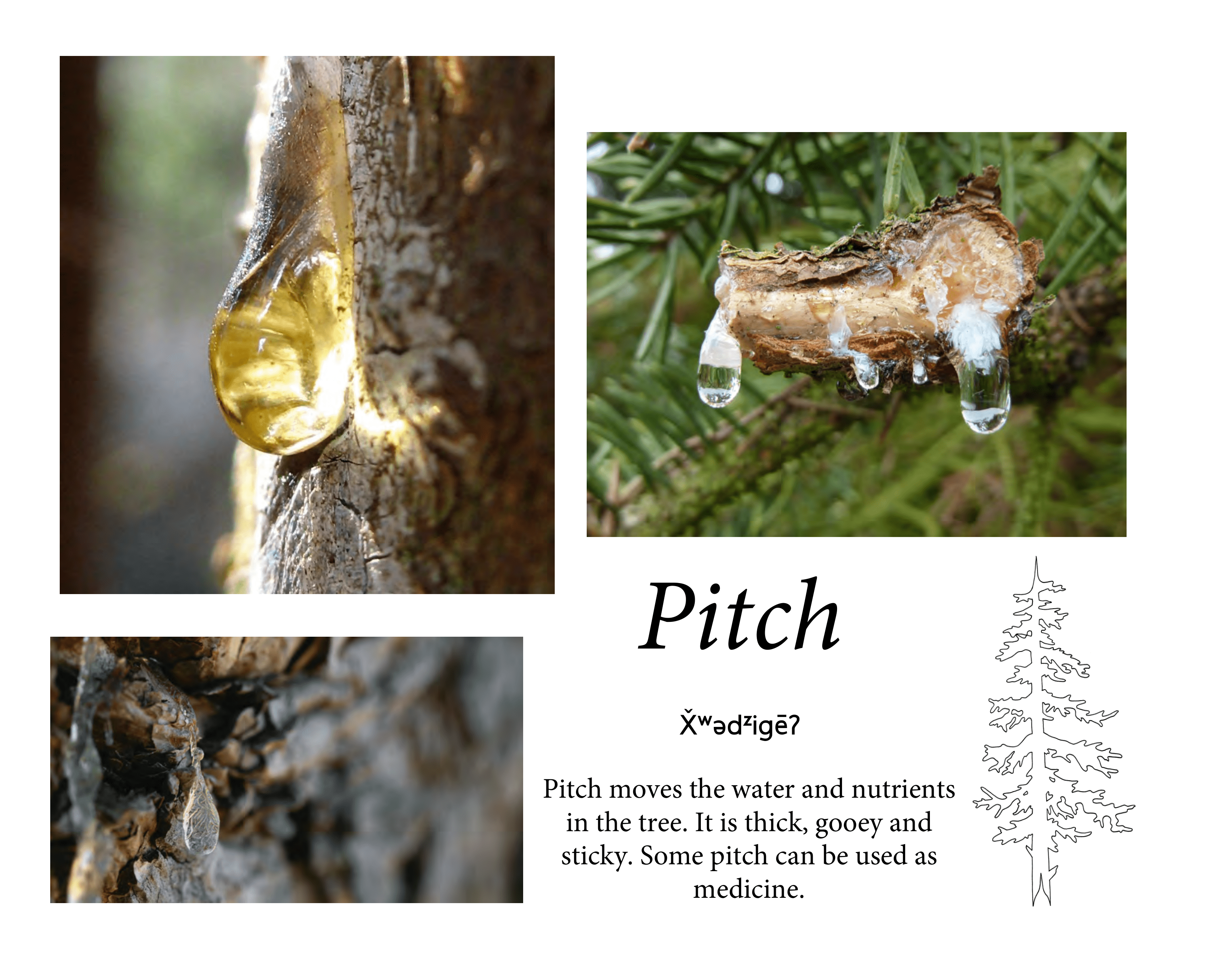
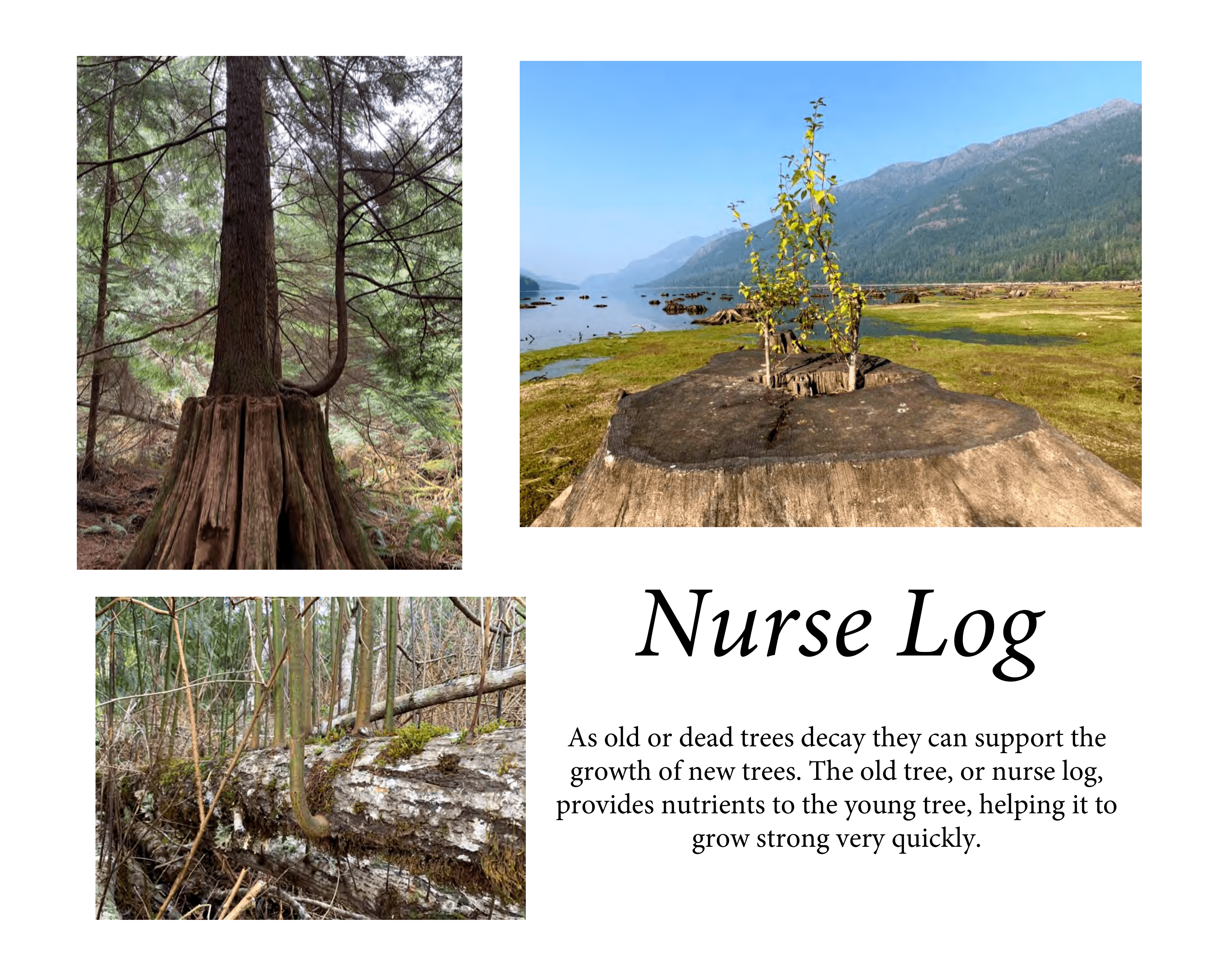
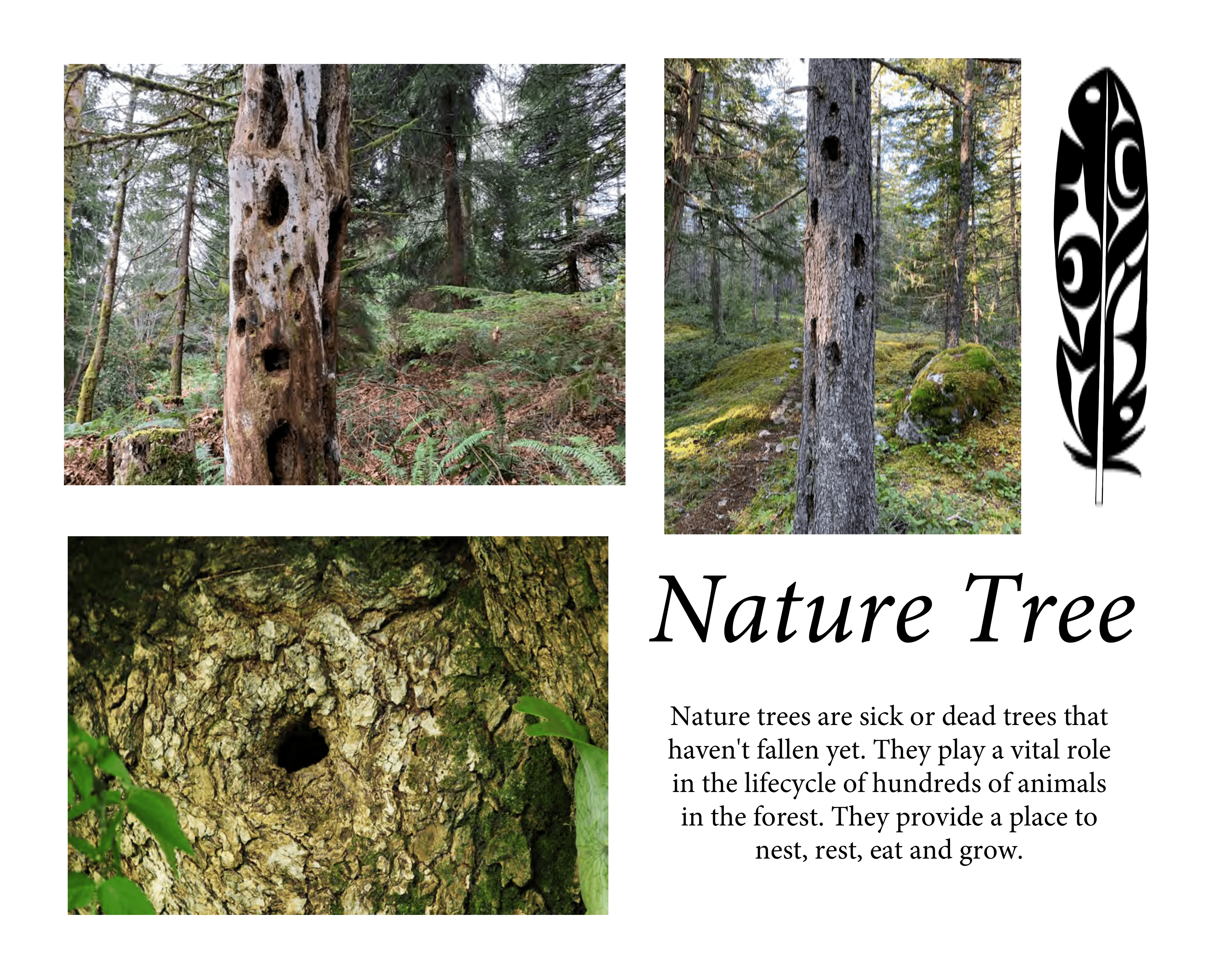
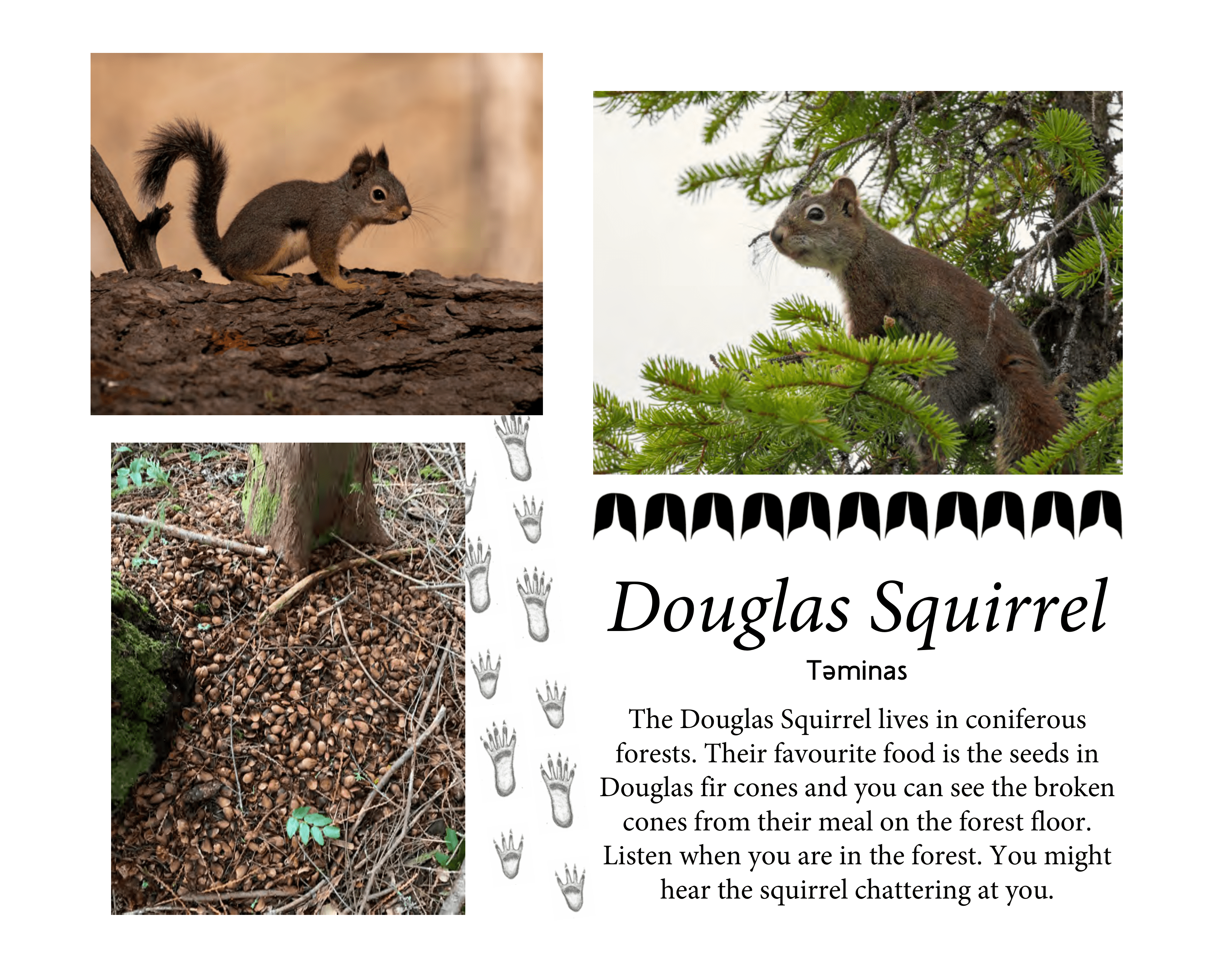
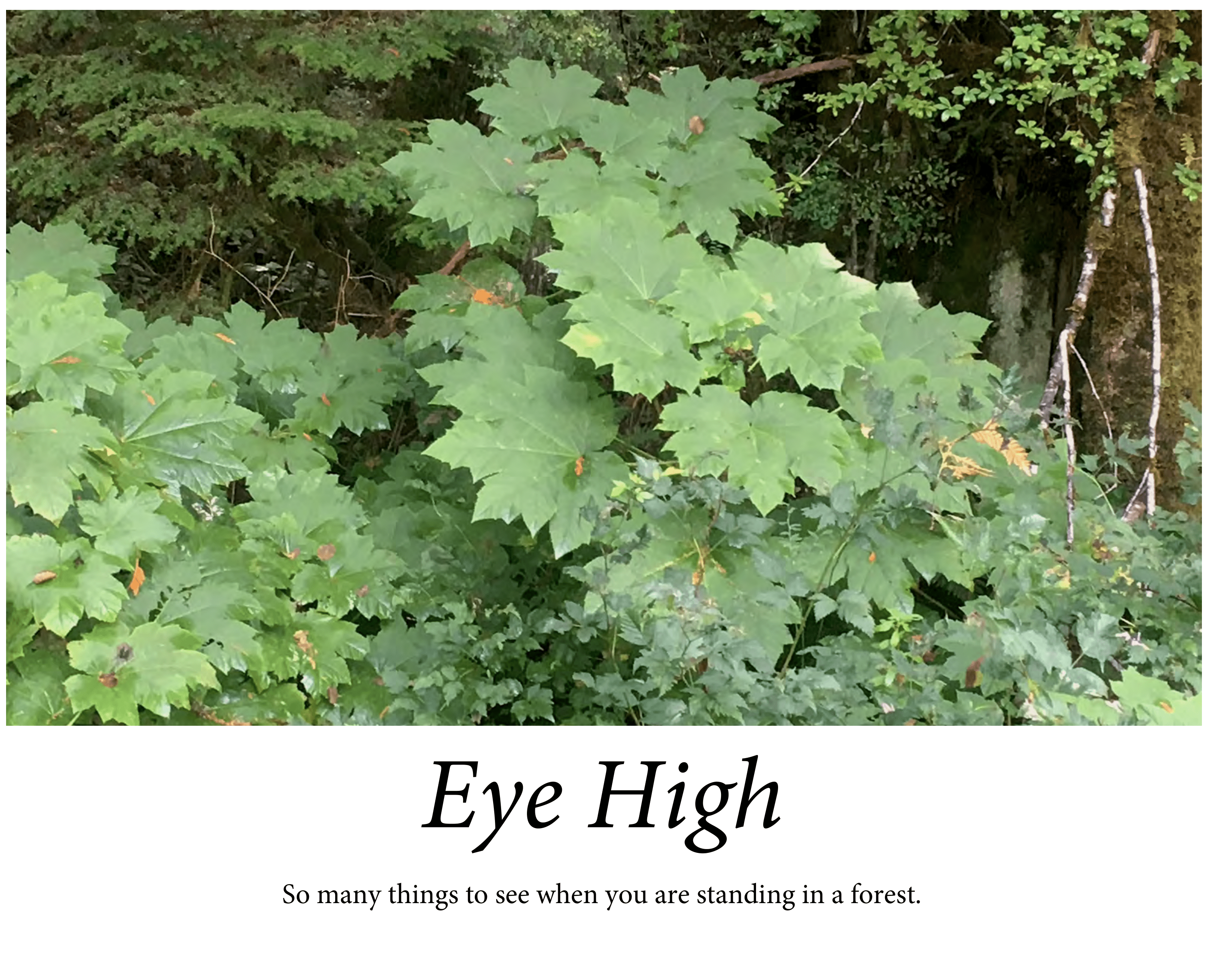
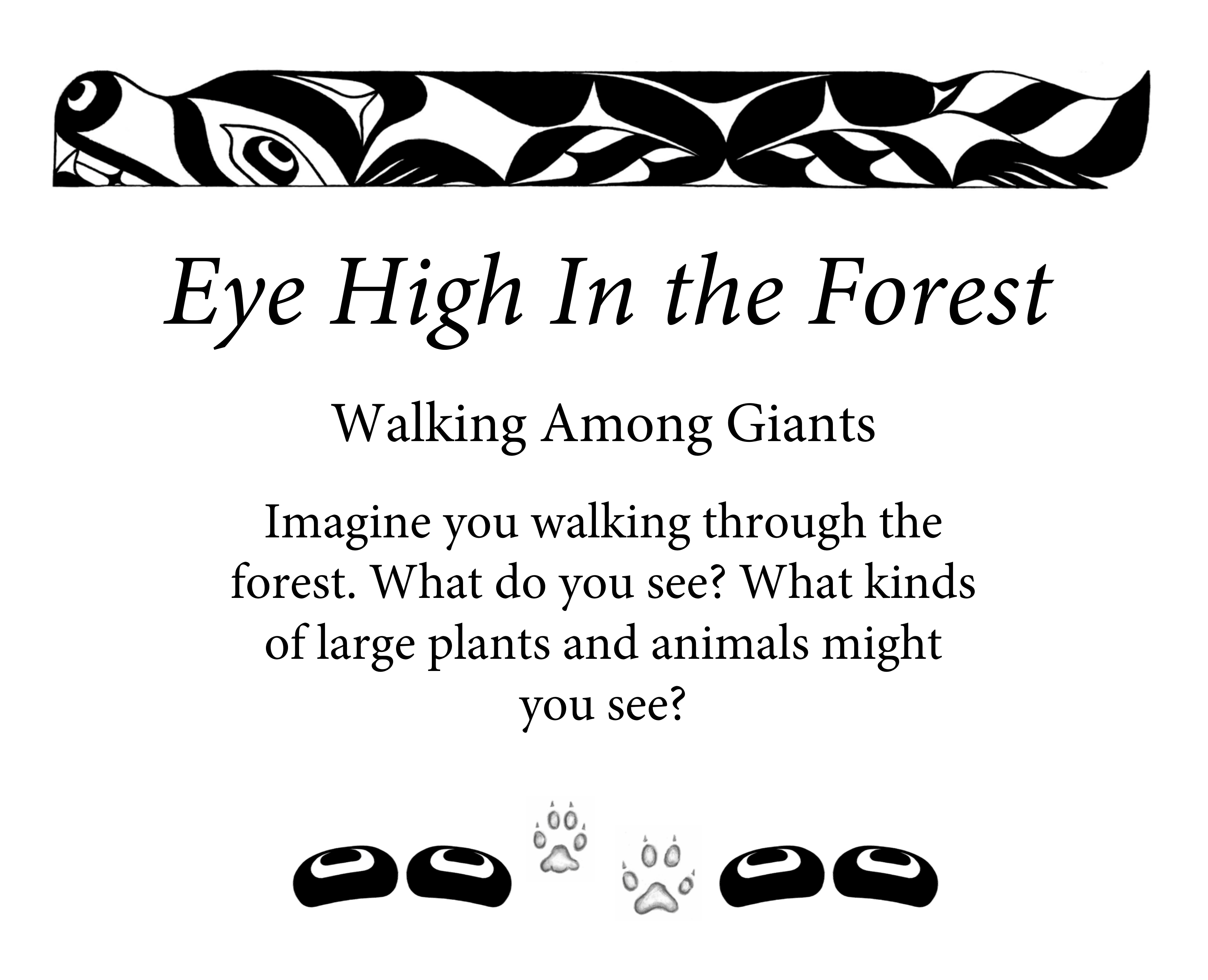
Level 4 – Eye High in the Forest
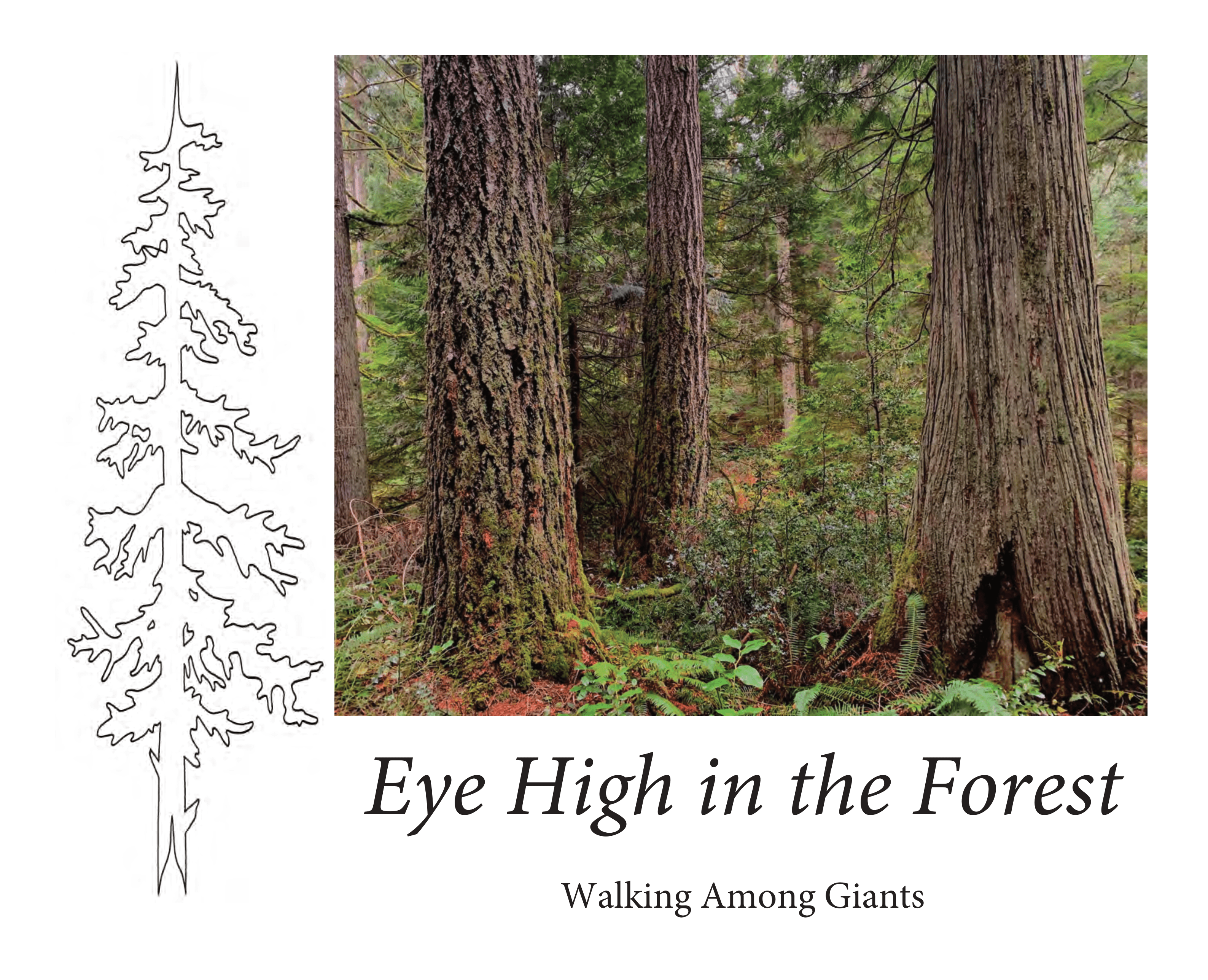
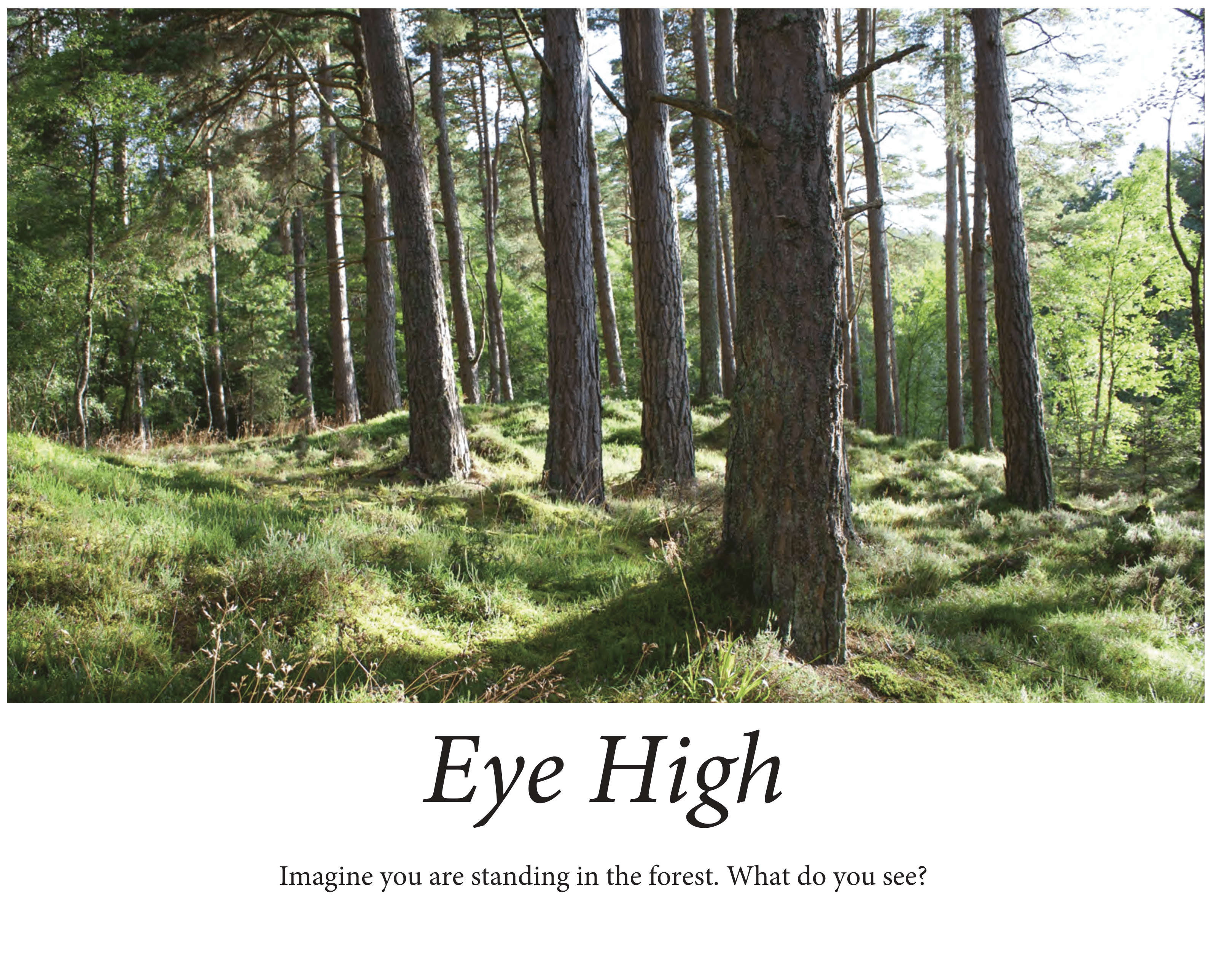
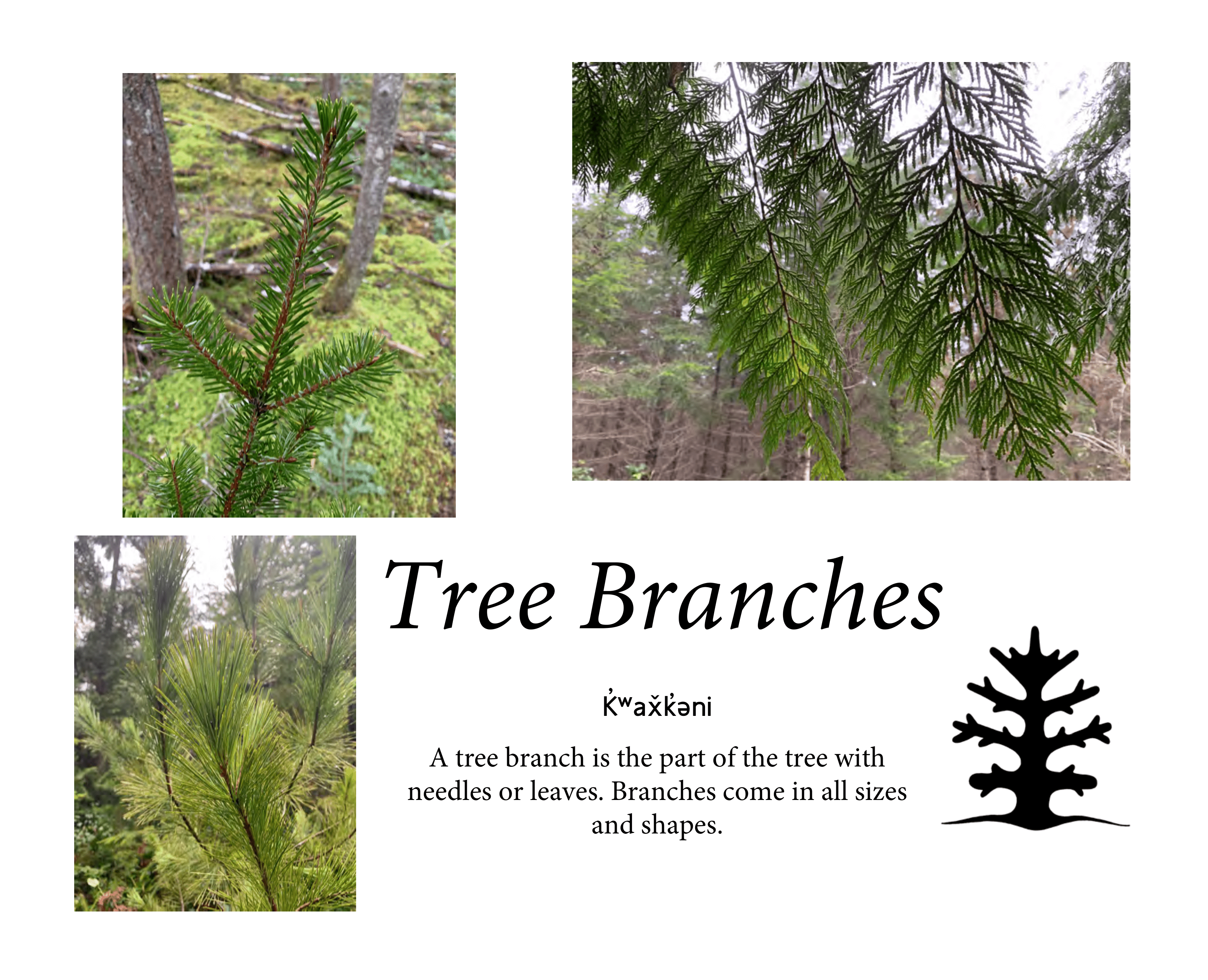
Have the children walk through the forest. What do they see in front of them? Is it different than what an adult sees because they are taller? Think about the biodiversity at this level and seek ways to create links between the soil and treetops. Work with the children to give them names of what lives in this part of the forest. Children should begin to understand the connections with the other parts of the forest at a very basic and age-appropriate level.
This level is supported by Book 4 – Eye High in the Forest: Walking Among GiantsLevel 4 Curriculum 0-2

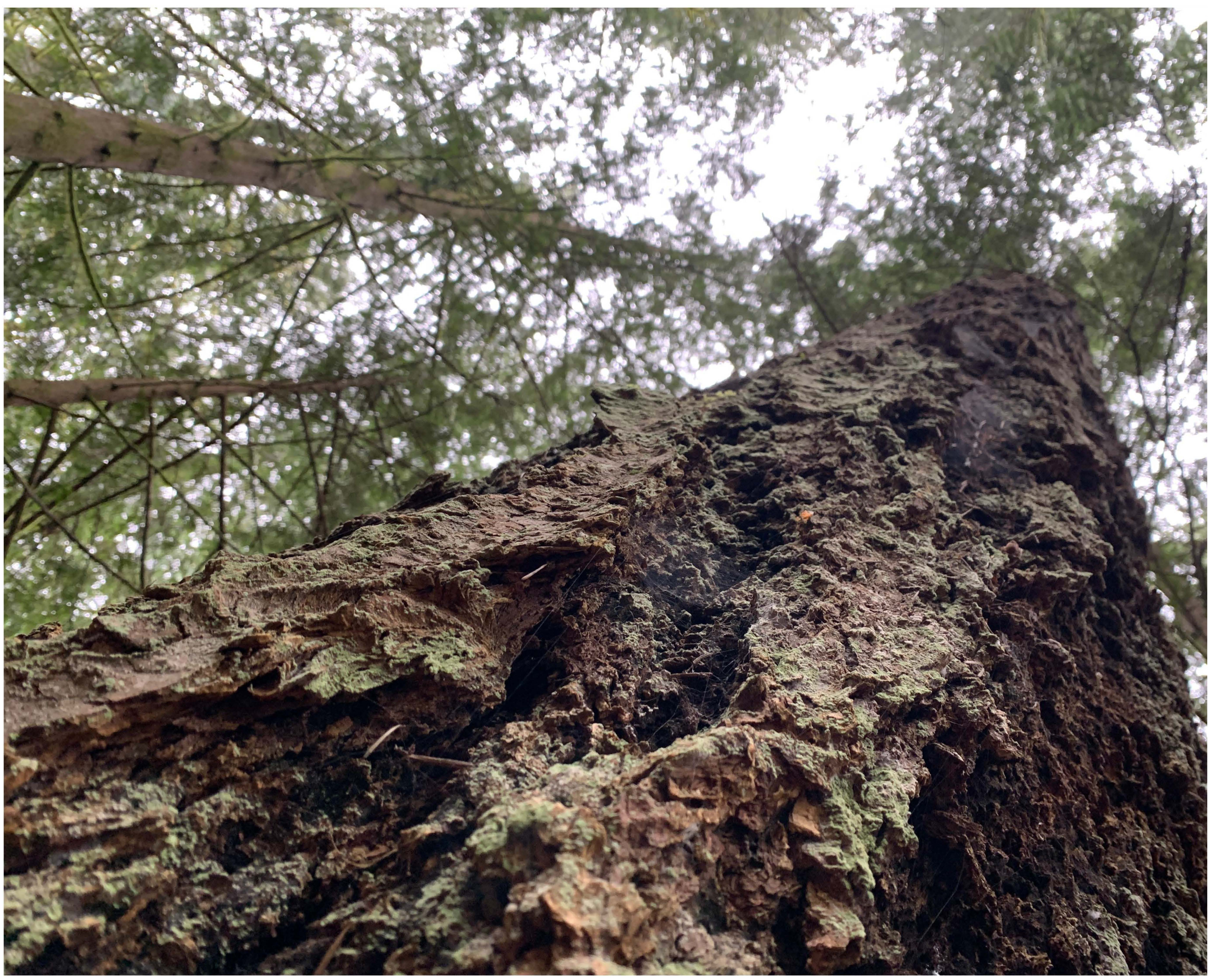

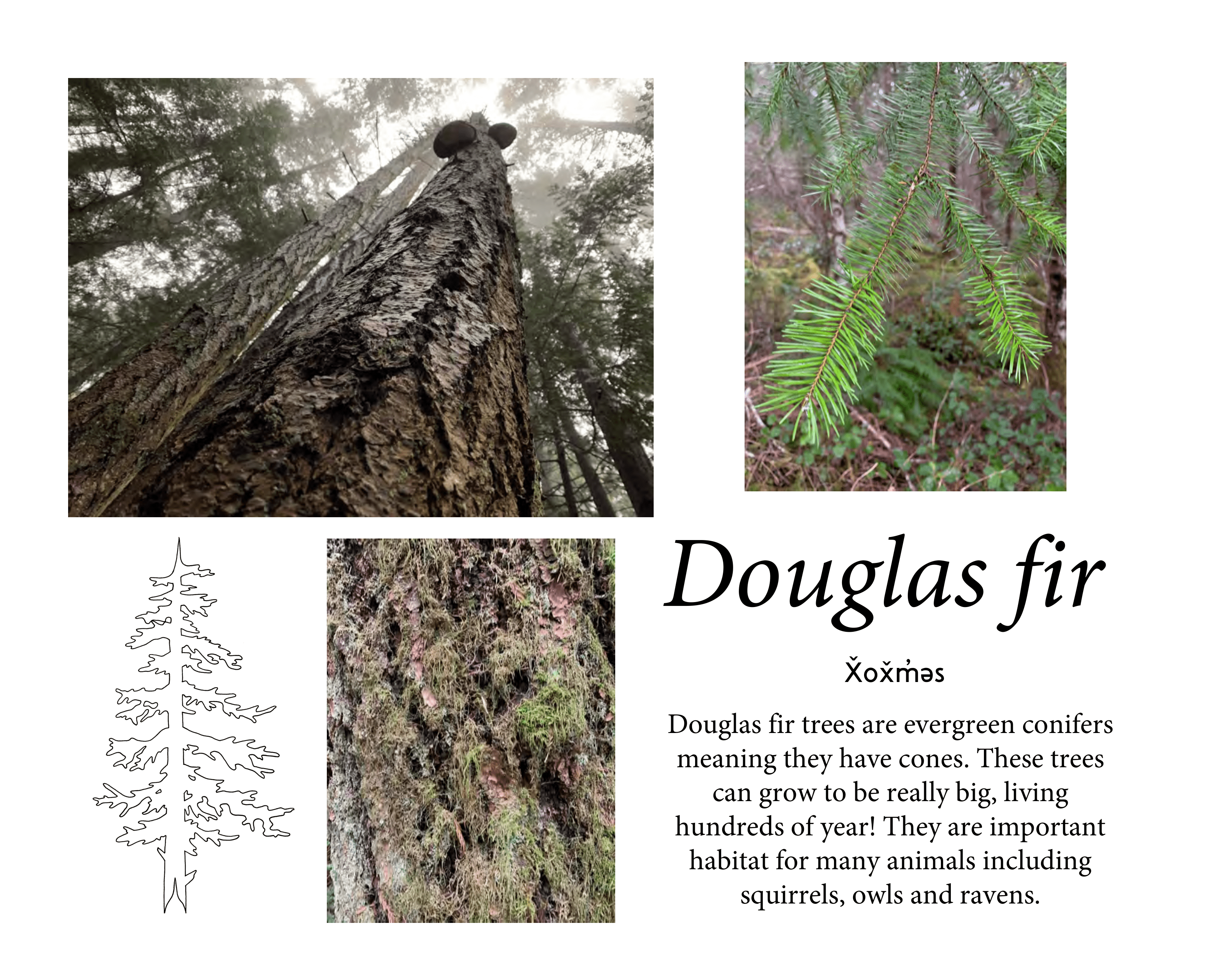
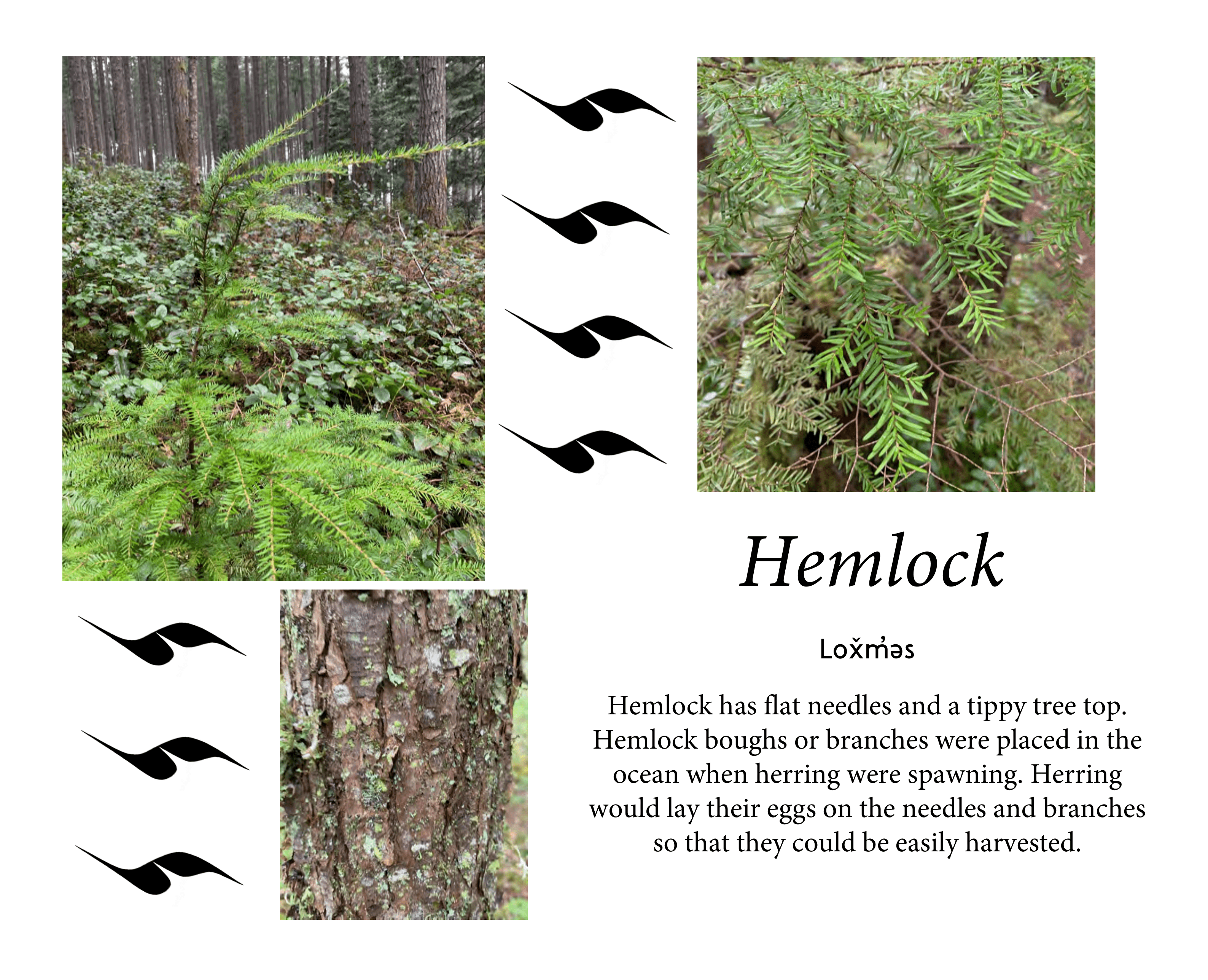
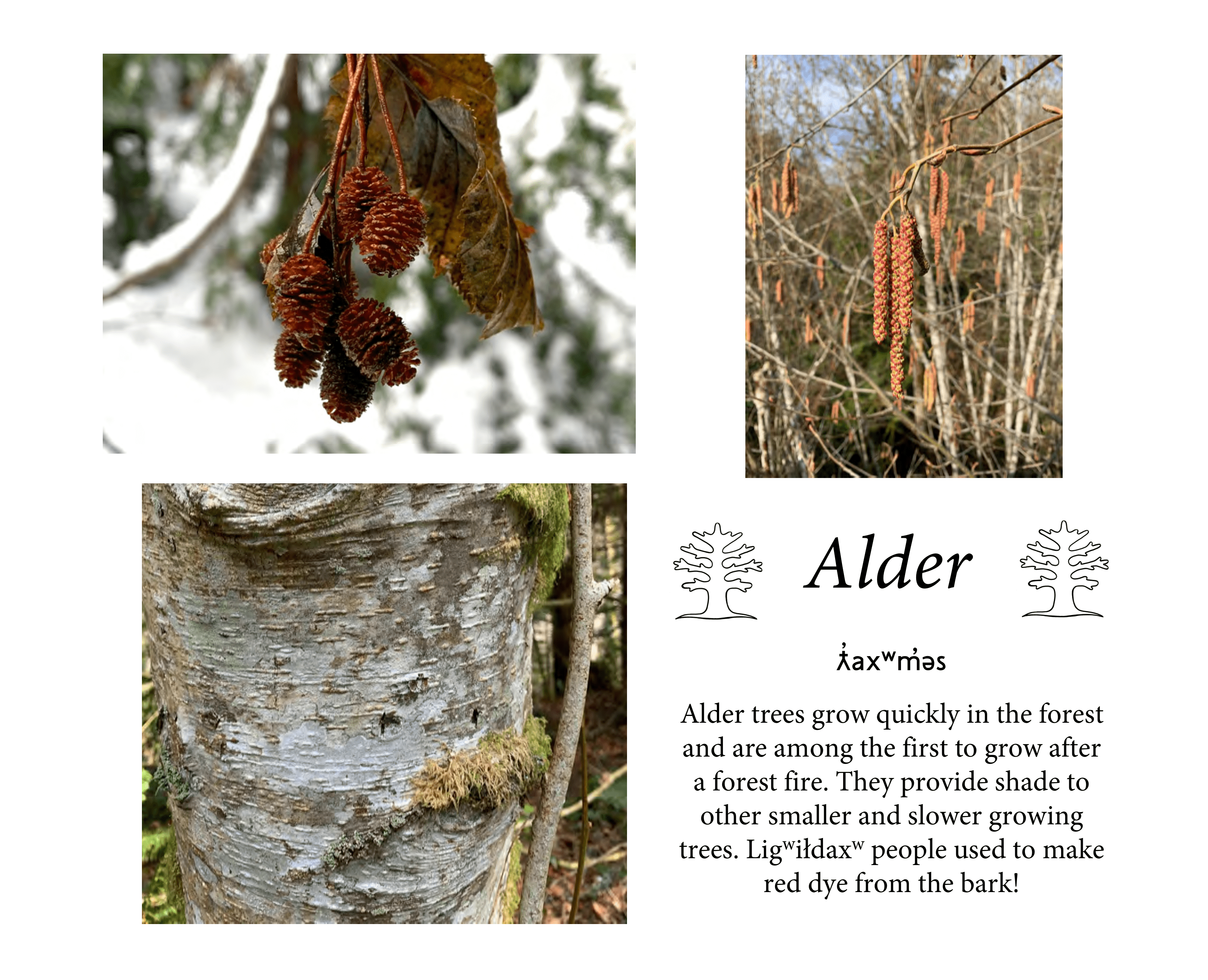
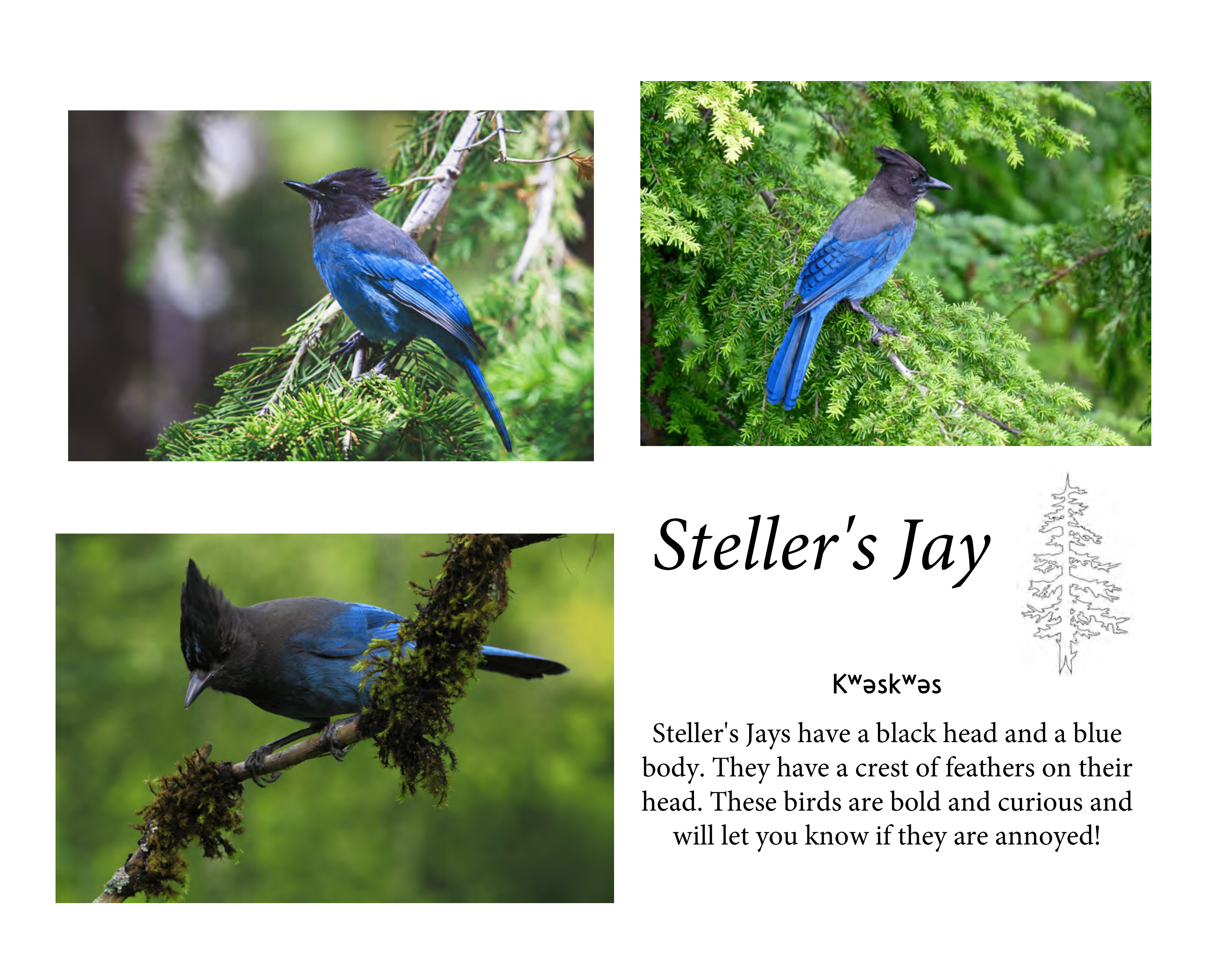
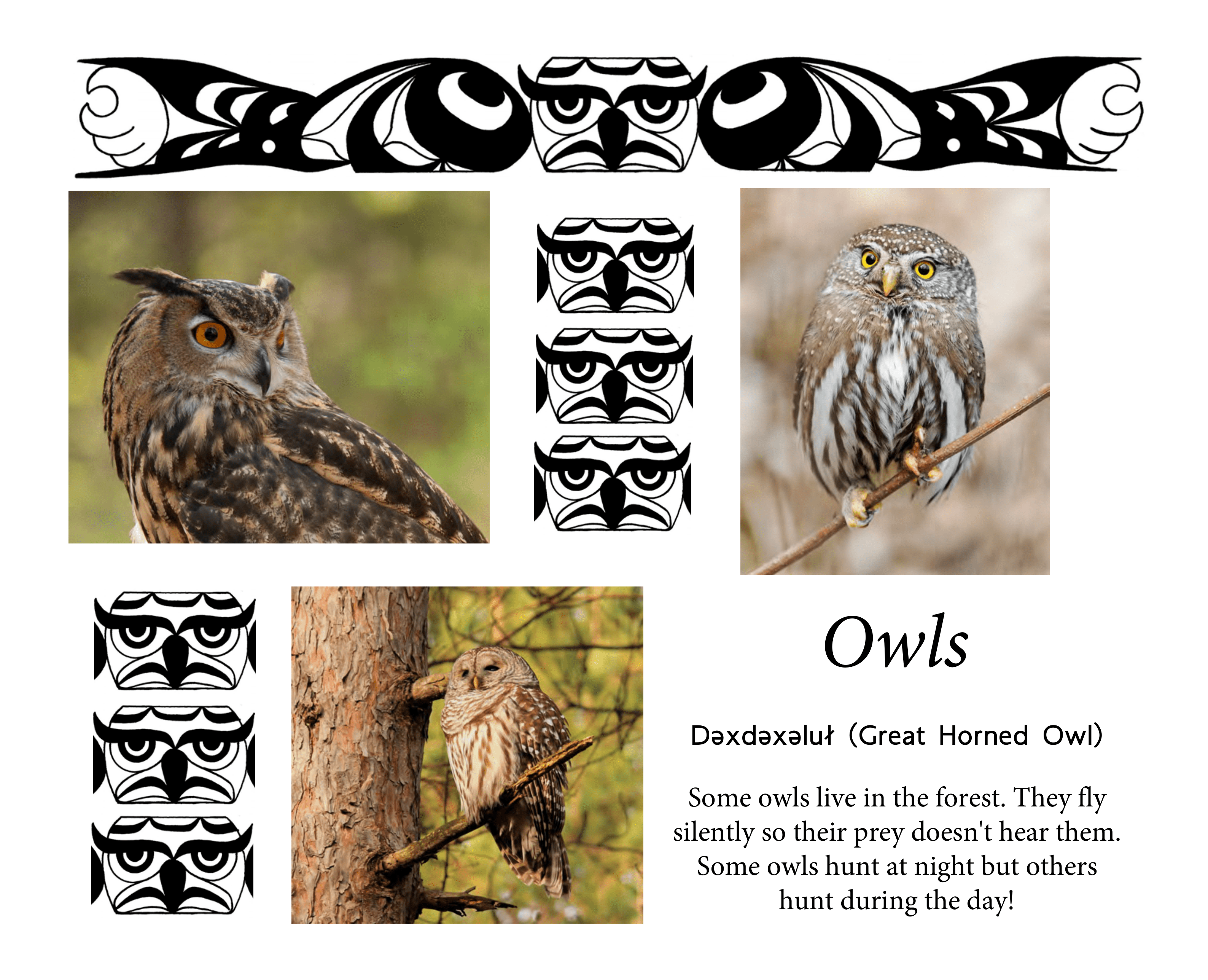
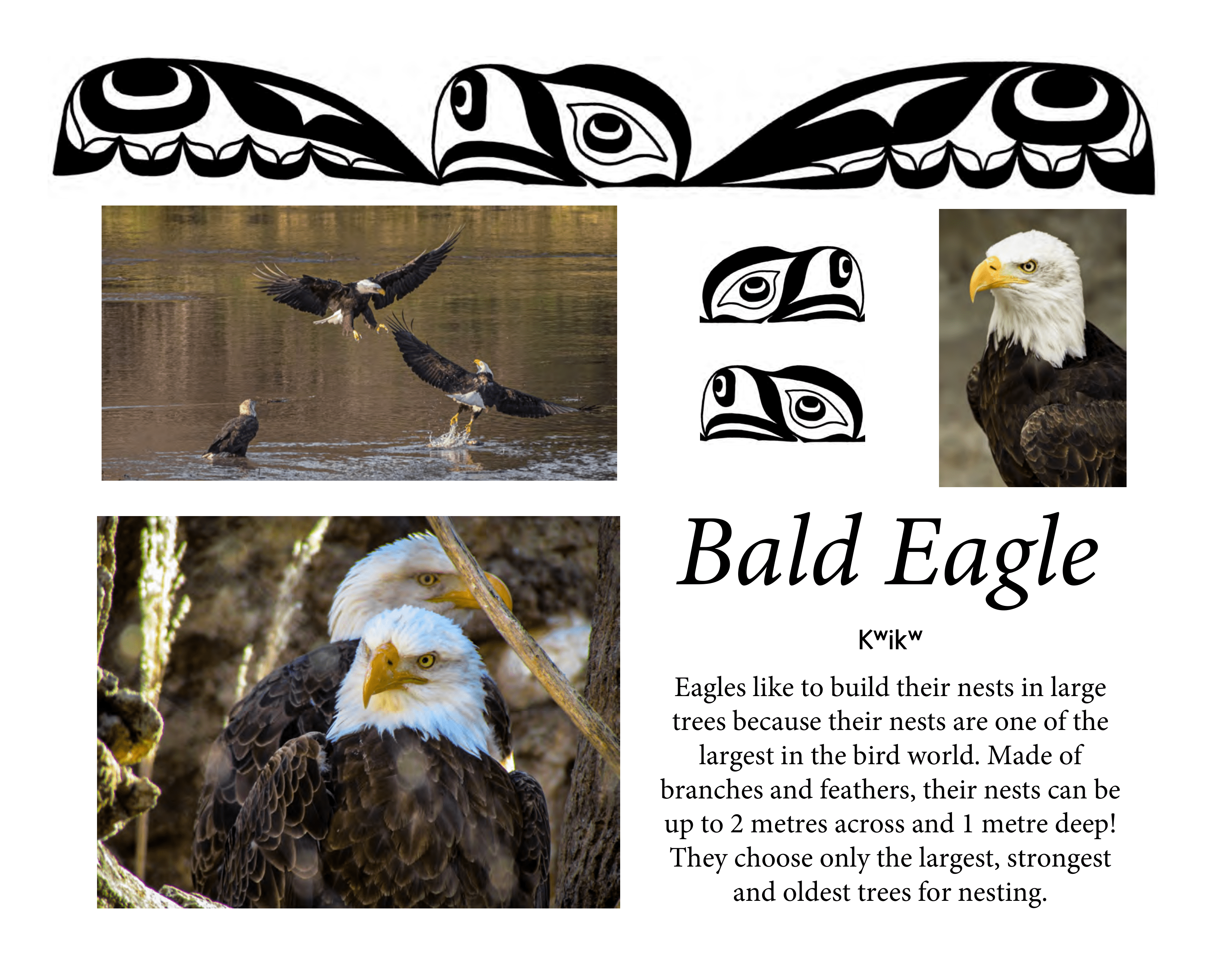
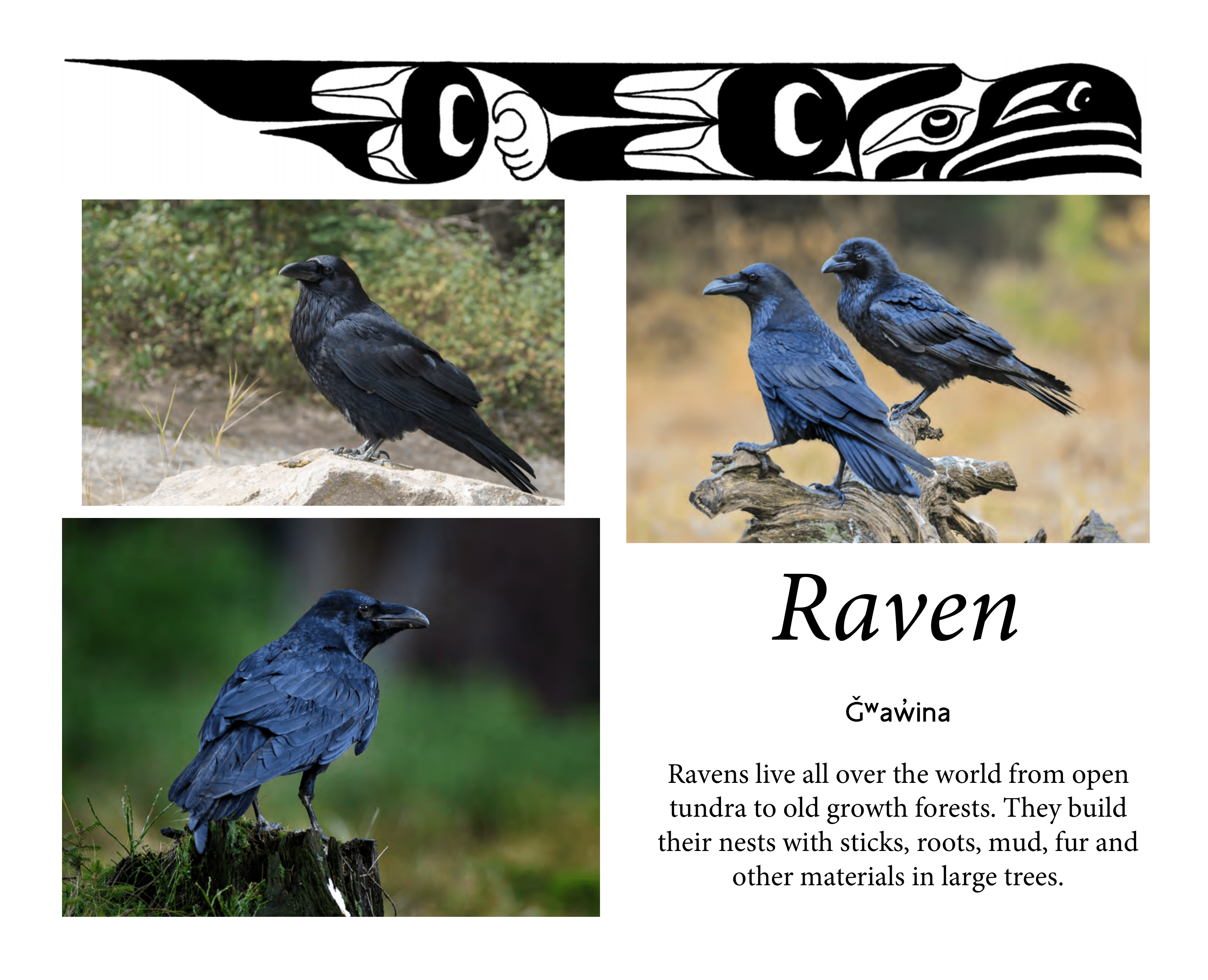
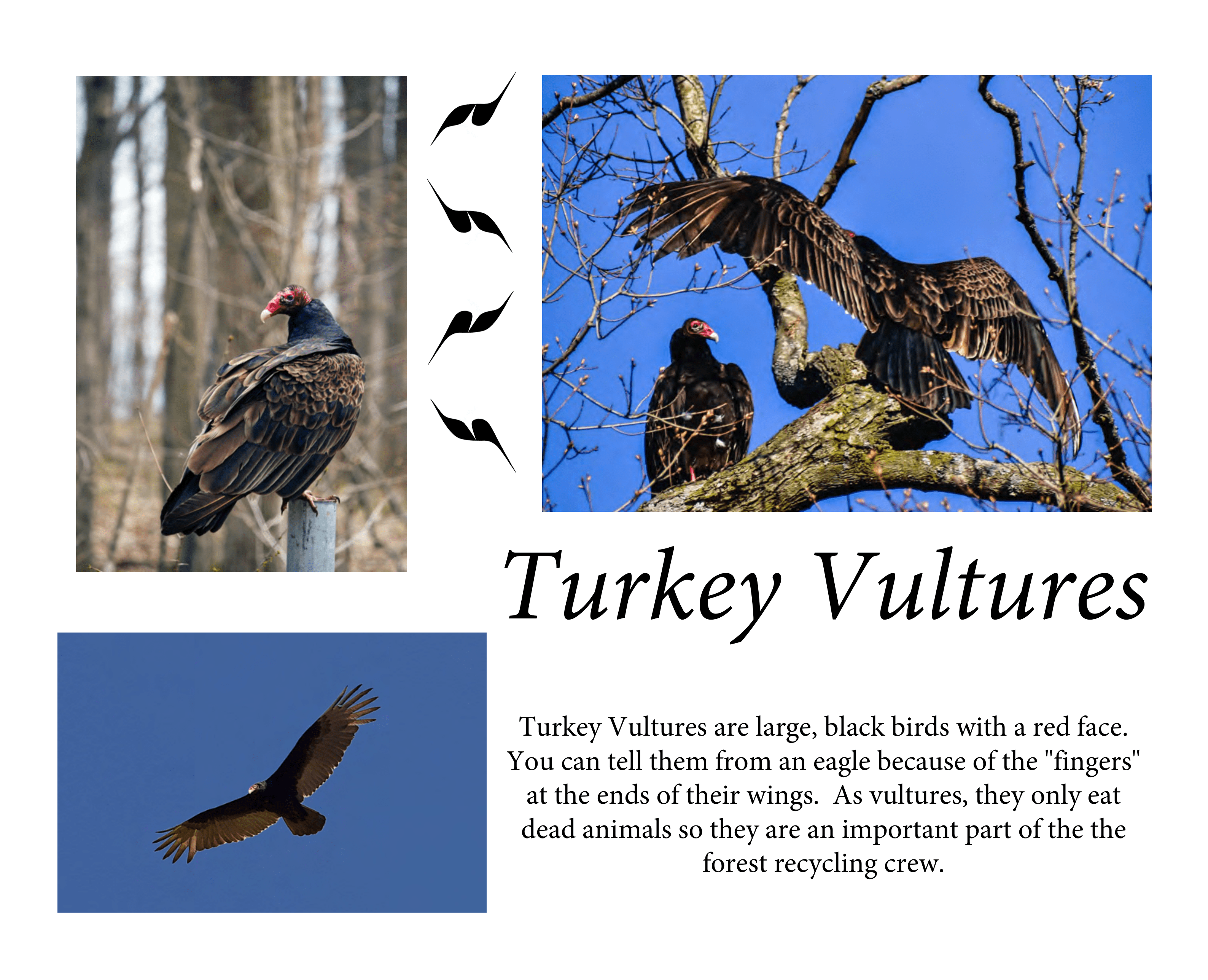
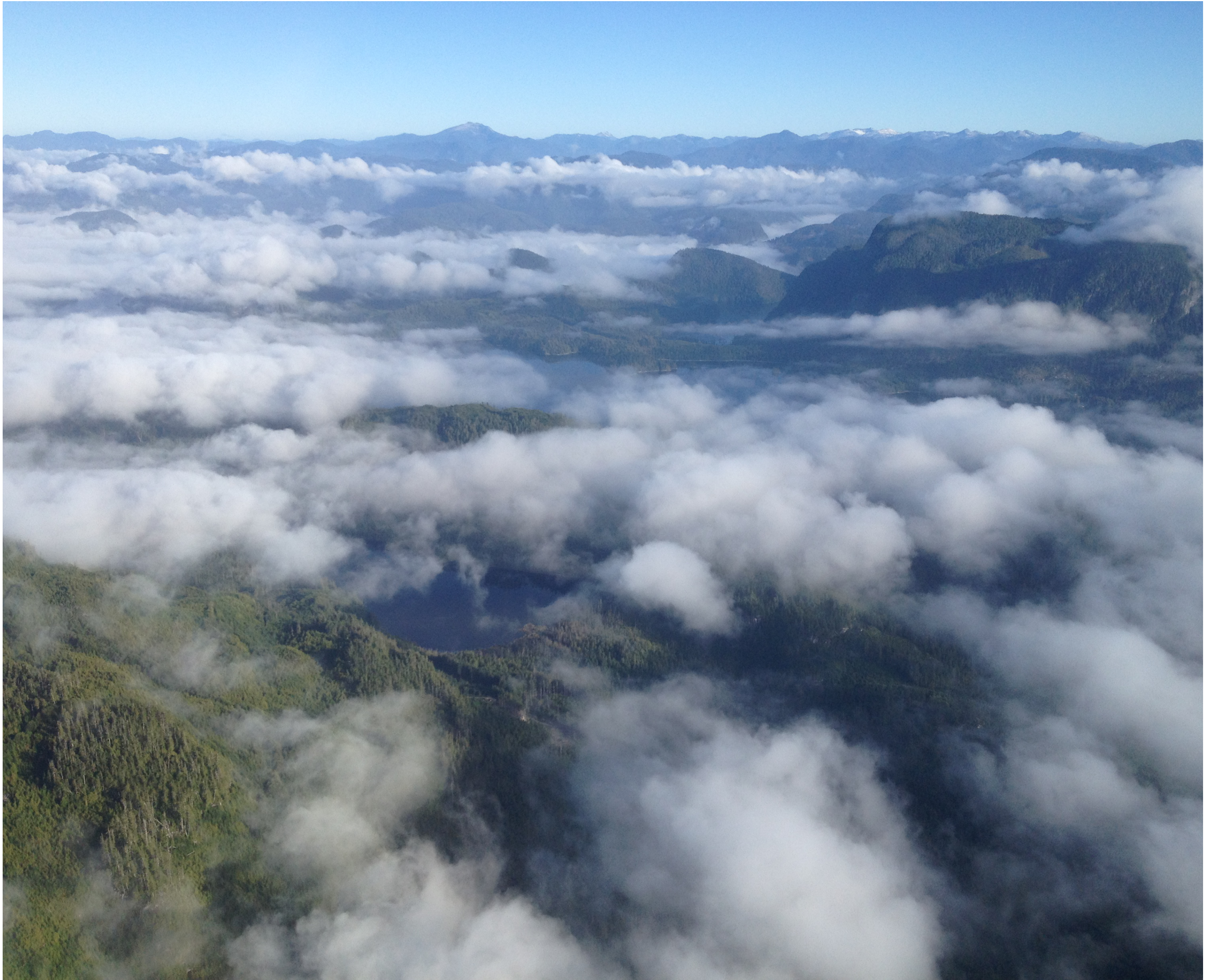
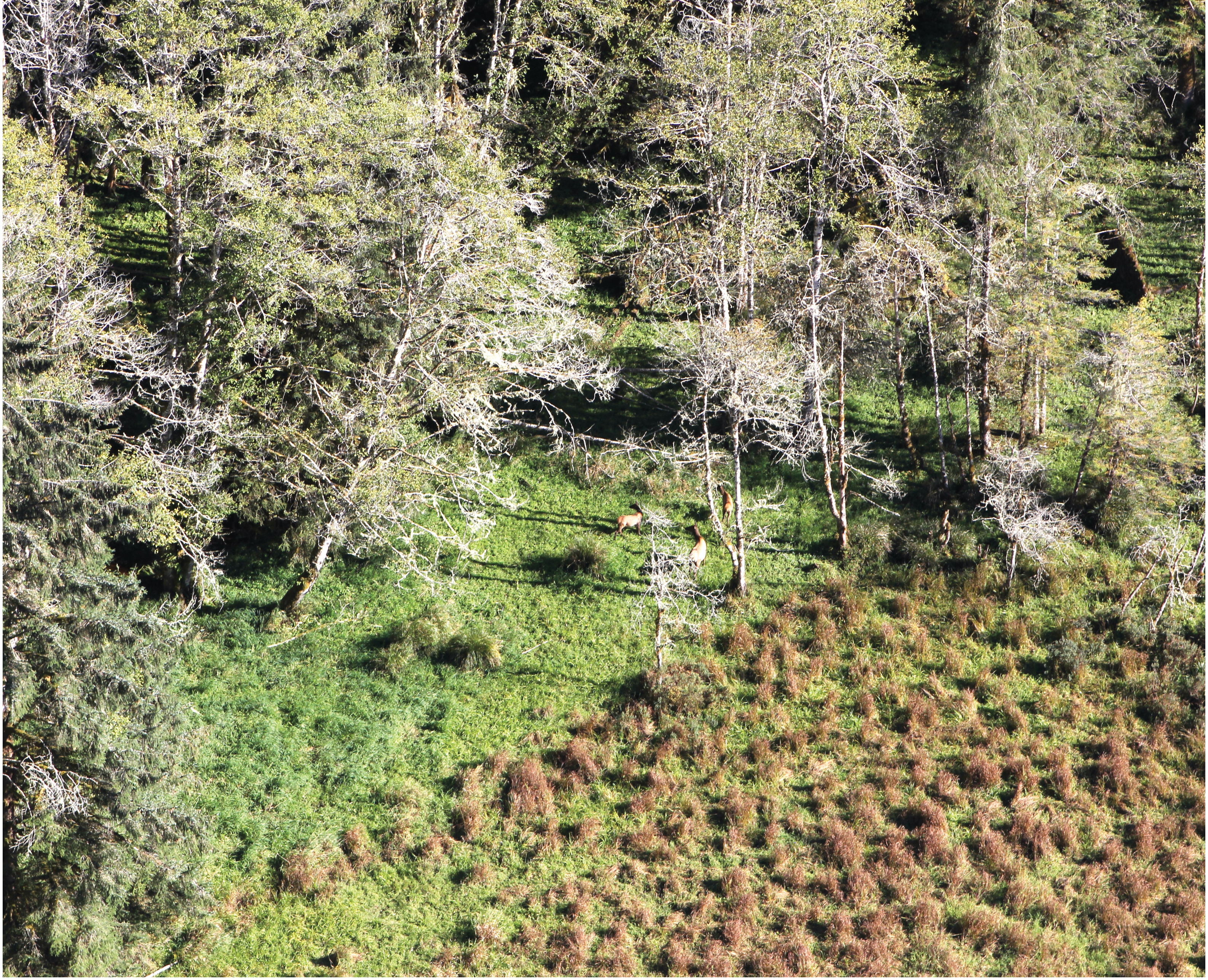
Level 5 – Sky High in the Forest
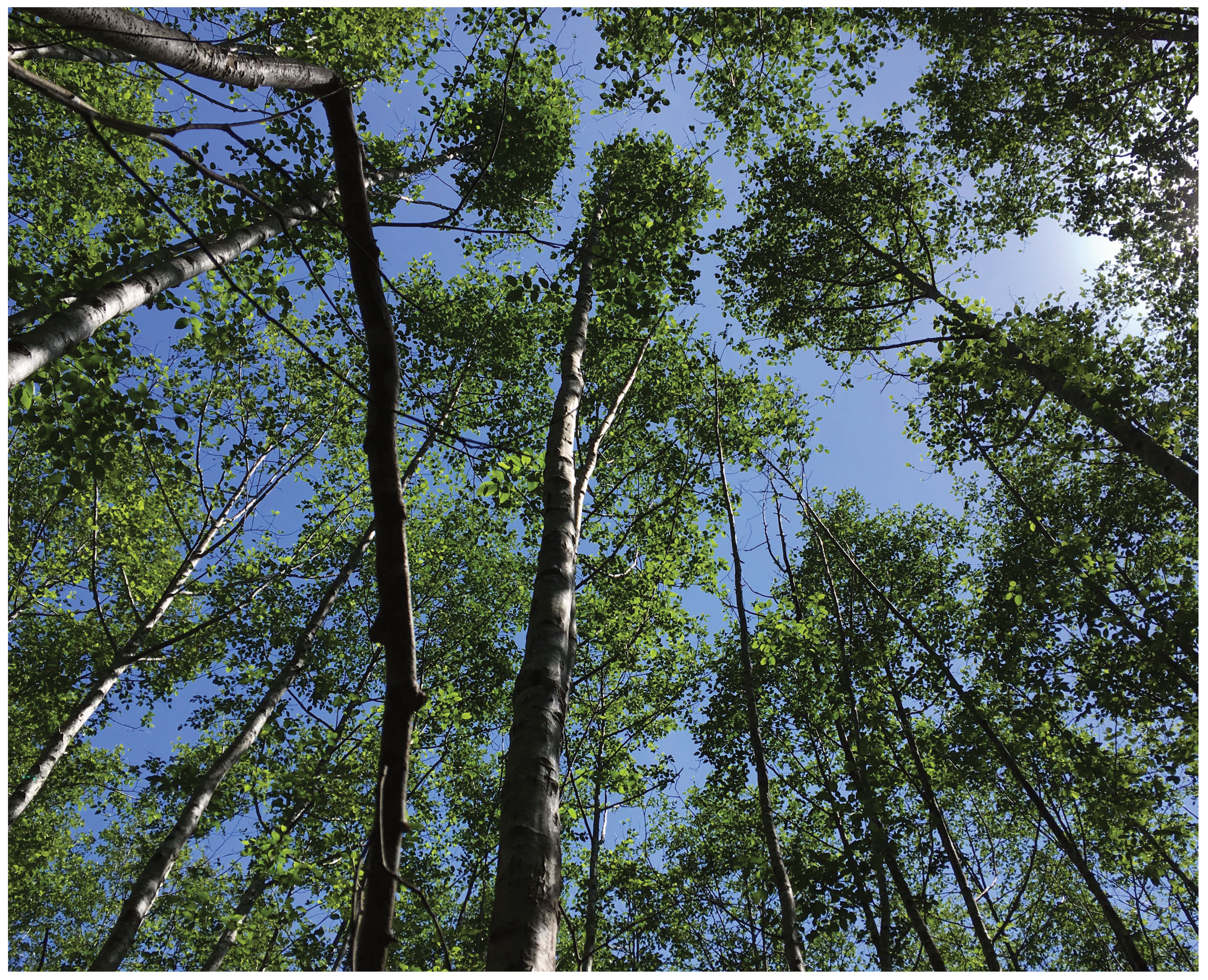
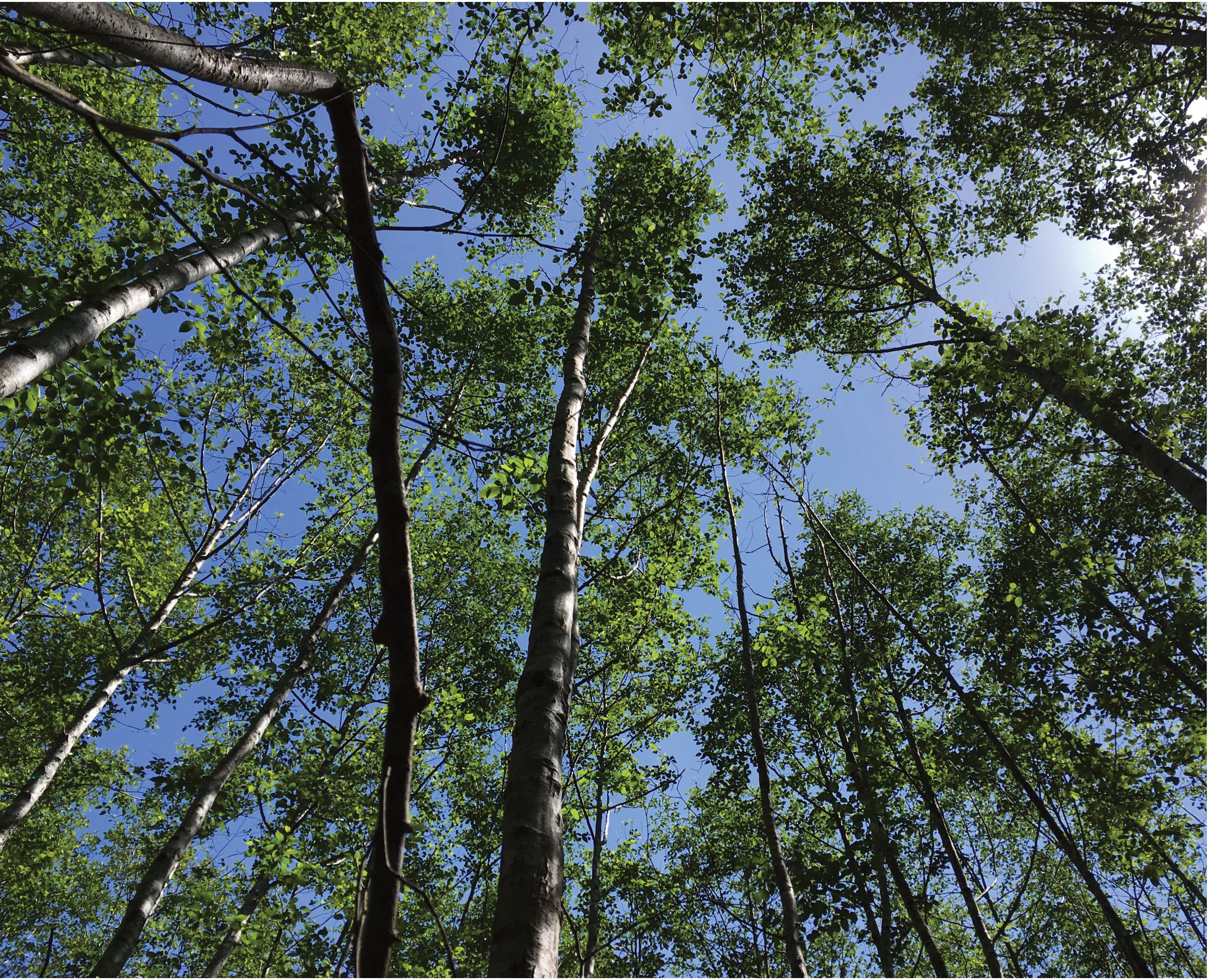
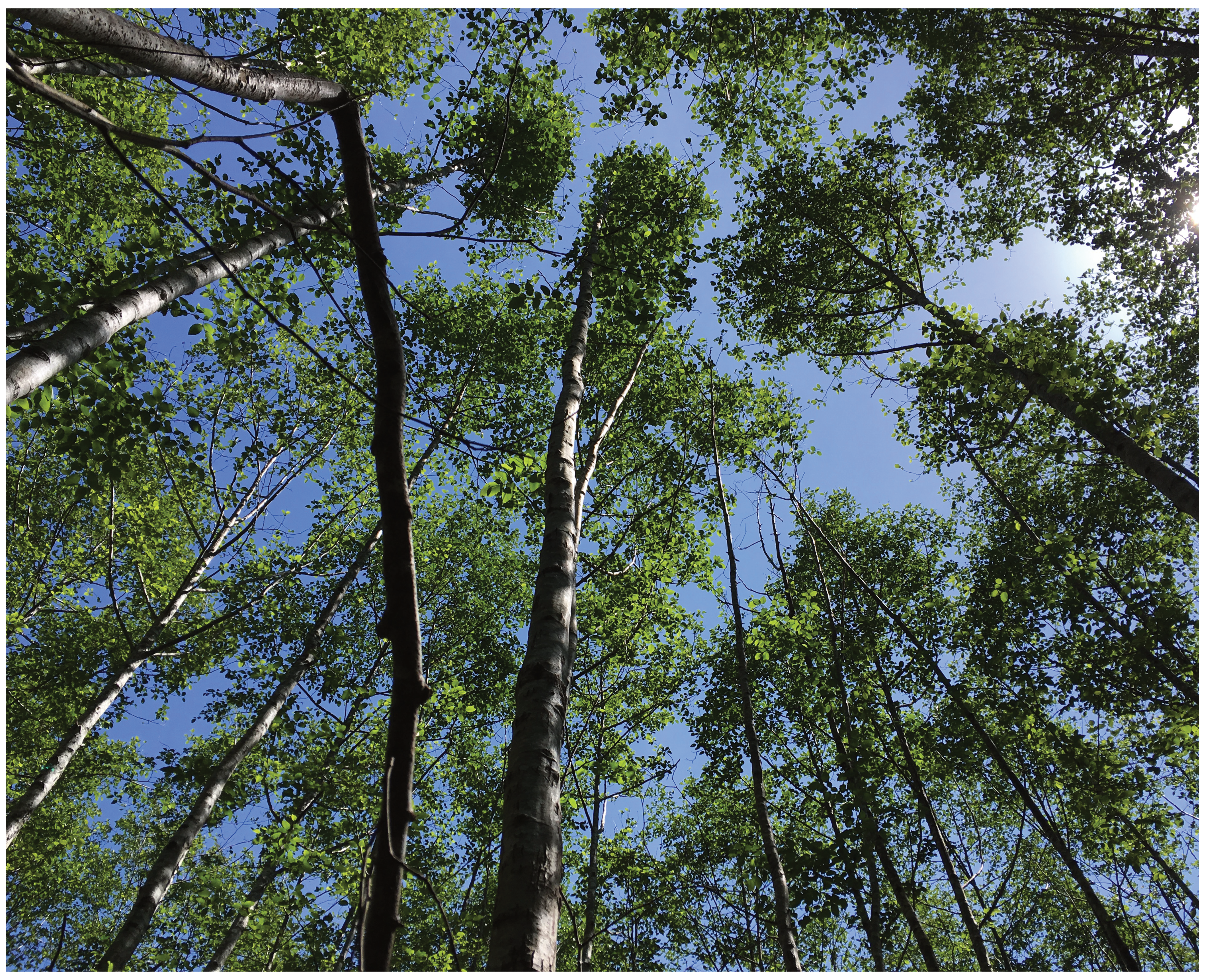
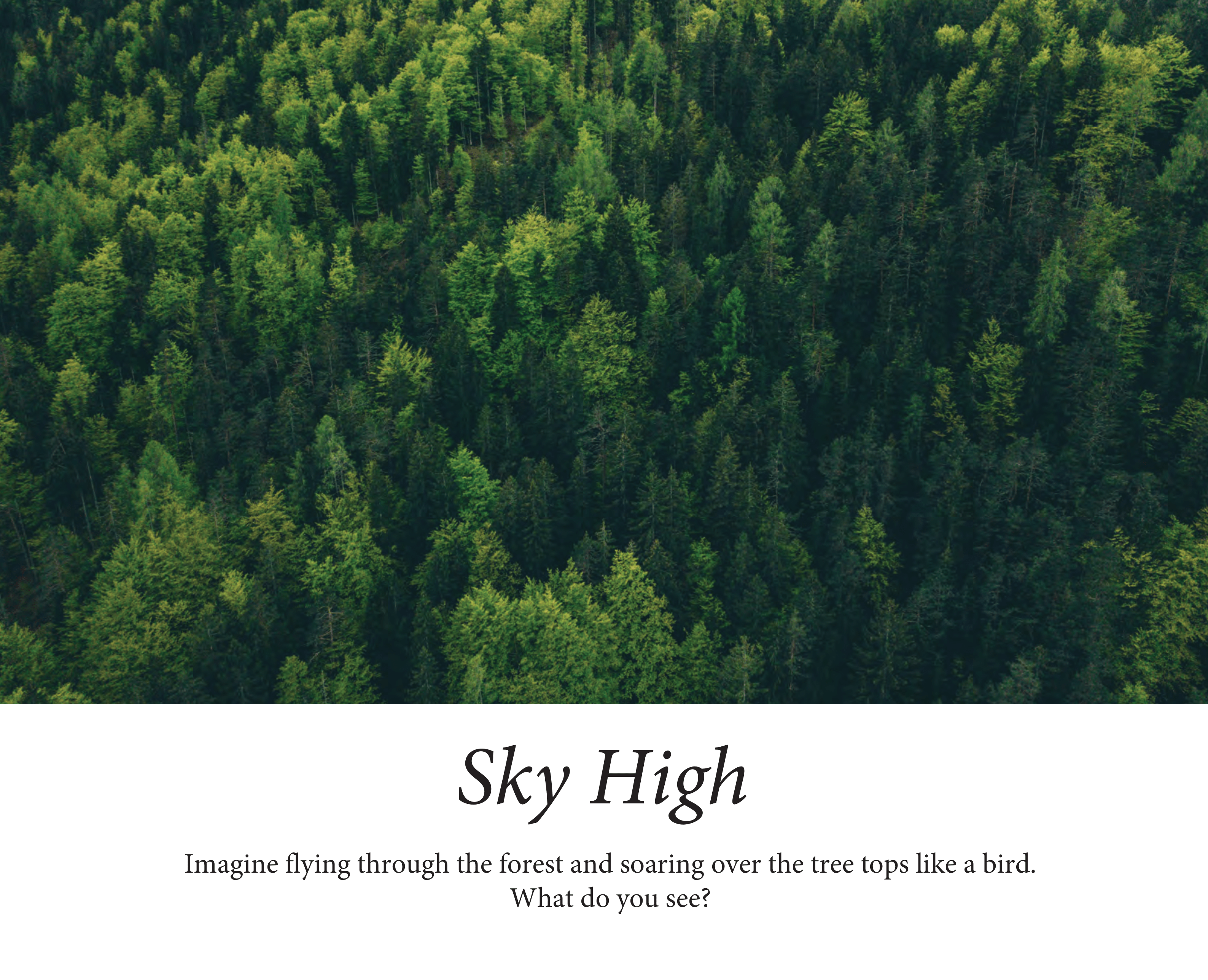
Have children lie on their backs in the forest. Look to the treetops. Children should understand that the dirt under them is important for helping the trees grow strong and big. Think about what lives high in the treetops. Why do they live there? What do they eat? Explore this at a basic and age-appropriate level.
This level is supported by Book 5 – Sky High: A Bird’s-Eye ViewLevel 5 Curriculum 0-2
